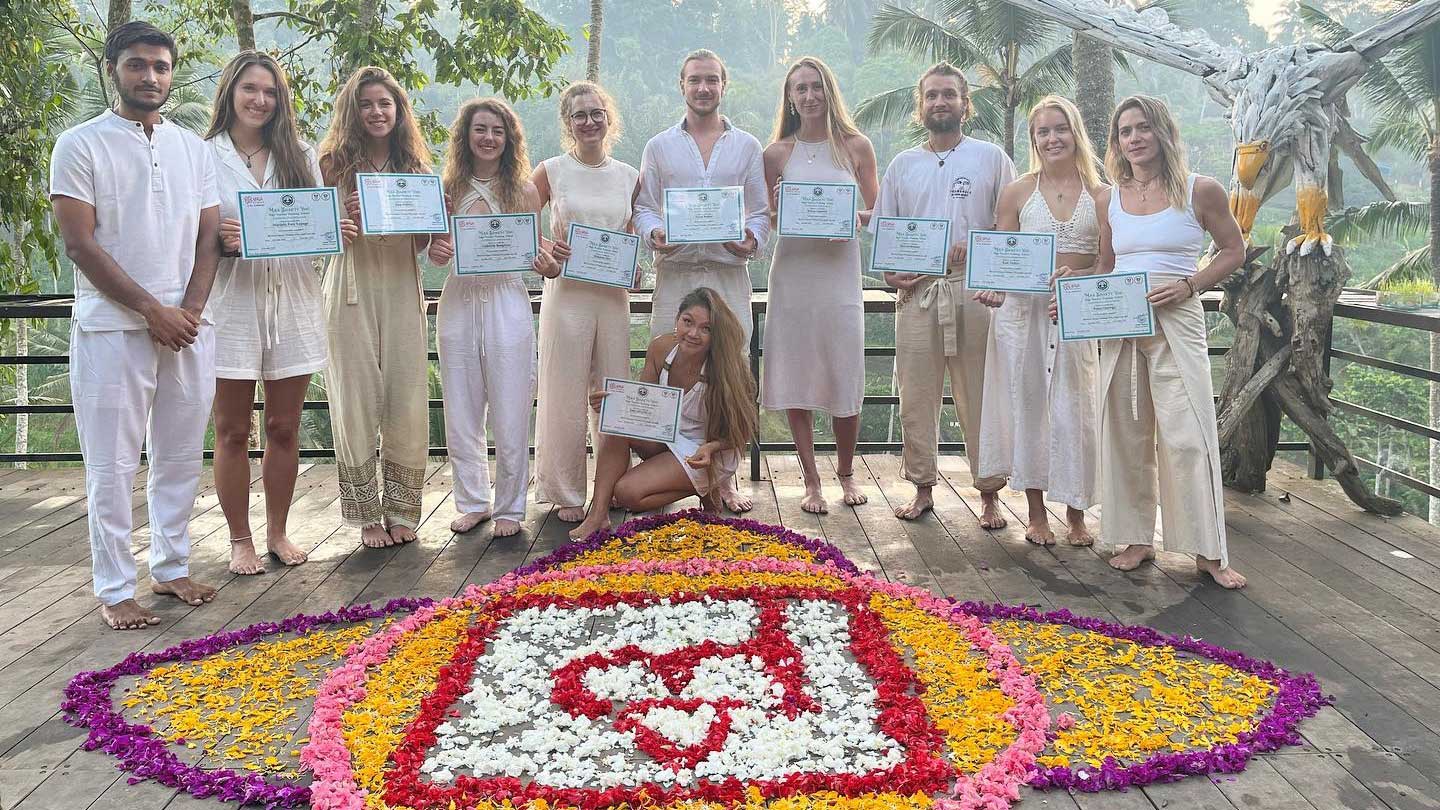



Written by Yogi Naveen Ji of Divinepath Yoga School & Retreat
Quick Answer: For yoga teacher training in India, choose Rishikesh if you want traditional ashram-style learning and spiritual depth, or Goa if you want a beach-based international student environment. Beginners usually start with a Yoga Alliance registered 200-hour YTT; experienced teachers continue with 300 or 500 hours. Divinepath offers registered YTT in Goa and Rishikesh (plus Bali outside India). Use our school-selection questions before you pay a deposit, then compare campuses on the India YTT hub.
See course levels, campuses, and fees on our India YTT hub — then pick Goa or Rishikesh.
There is no single yoga teacher training course in India that is best for everyone. A student who wants to teach professionally needs a different path from someone who wants a spiritual break, a deeper personal practice, or a first experience of living in a yoga school. That is why the right course should be chosen by goal first, then by location, teacher, budget, and certification level.
If your goal is to become a yoga teacher, start from our 200 hour yoga teacher training in India overview, then choose a campus. Most students begin with a 200-hour YTT because it covers the foundation: asana practice, pranayama, meditation, anatomy, philosophy, class sequencing, teaching methodology, and supervised teaching practice. Many beginners compare 200-hour YTT in Goa and Rishikesh 200-hour YTT before booking.
If your goal is tradition, philosophy, and a more inward experience, yoga teacher training in Rishikesh may suit you better. Rishikesh has the atmosphere many students imagine when they think of yoga in India: the Ganga, ashram culture, chanting, philosophy, and a slower spiritual rhythm. Goa, on the other hand, feels lighter and more international, with beach life and community around the training day. Both can be serious yoga environments; they simply support different kinds of students.
The course level also matters. A 200-hour course is usually the first step, a 300-hour course is for graduates who already have a foundation, and a 500-hour path is for students who want a more complete long-term teaching credential. If you are unsure about the difference, read our guide to 200 vs 300 vs 500 hour yoga teacher training before choosing a program.
This is the first question most people ask, and it is a fair one. The honest answer is that there is no single best course that fits everyone. What suits one person may not suit another. But there are a few things that all good schools share, and once you know them, your choice becomes a lot easier.
The first thing to check is whether the school is registered with Yoga Alliance. This is the body that sets the standard for yoga teacher training across the world. When a school is registered and offers 200, 300 or 500-hour courses, your certificate will be accepted in most countries where you may want to teach later.
The next thing to look at is the batch size. In a small group you simply get more time and attention from your teacher. It is hard to clear your doubts in a class of forty people. A group of around fifteen to twenty students works much better. Also find out who will actually teach you. A good teacher has practised and taught yoga for years, not just for a few months. Reading reviews from old students helps here, and if you can speak to someone who has already done the course, that is even better.
Lastly, ask what the fee covers. Some schools show a low price first and then add charges for food, room and study material later on. Schools like Divinepath keep everything in one price, so you know exactly what you are paying for from the very start.
Put simply, the best yoga TTC in India is the one that is properly registered, has a small batch with teachers who know their work, and is clear about the cost. Tick those boxes and you are already in safe hands, whichever school you go with.
Like other courses, this one also can be done by filling in a few formalities. First, enroll in a program as per your requirement at a yoga institute. To enroll in a strong yoga TTC in India, many students compare Rishikesh, Goa, and other training destinations before choosing dates. As per your schedule and need, you can register in any yoga TTC and start learning the old-age art of healing. While being a part of a yoga instructor course you will not only find peace and health but can also share this traditional practice with future students.
In order to enroll in a yoga instructor course at Divinepath, choose your preferred campus, course level, and start date, then submit the enquiry or booking form. After the admissions team confirms availability and deposit details, you receive your confirmation and pre-arrival guidance.
As we have discussed before, yoga has captured attention globally. Rishikesh remains one of the most popular yoga hubs in India for affordable yoga training courses, while Goa is often chosen by international students who want beach life alongside study. Divinepath offers students a chance to choose from yoga styles like Hatha, Vinyasa, Ashtanga, and more, which are useful for beginners as well as advanced practitioners. Divinepath Yoga School & Retreat offers yoga teacher training in locations like Goa, Rishikesh, and Bali.
| Option | Starting Price | Good For |
|---|---|---|
| Divinepath Goa | $500 course + meals / $699 dorm | Beach-based India YTT with small batches |
| Divinepath Rishikesh | From about $849-$999 | Traditional study near the Ganga |
| Premium India YTT schools | Often $1,500-$2,500+ | Students prioritising resort-style facilities |
What better place than the Yoga capital of the world? Yes, if you are looking forward to joining a yoga training course in India, Rishikesh is the best place to visit. The place offers numerous benefits, like easy access to renowned yoga teachers, a peaceful spiritual environment, access to multiple yoga styles, and a chance to experience the serene natural surroundings of the Himalayas and the free-flowing Ganges.

India has many places to learn yoga, but a few spots stand out for students coming from abroad. Divinepath runs courses in three of them, so let us look at each one in simple terms.
Rishikesh, as we said, is the yoga capital of the world. It sits by the Ganga in the hills, and the place has a calm, spiritual feel to it. If you want to learn yoga in the old, traditional way and keep your spending low, Rishikesh is a fine choice.
Goa is by the sea and has a lighter, more relaxed mood. It suits people who want to study yoga but also enjoy the beach, good cafes and a bit of fun after class. Most of the students here come from other countries, so you meet people from all over.
Bali is not in India, but it is another spot where you can do the same training with Divinepath. It is green and quiet, and good for those who want their yoga course to feel a little like a wellness break as well. None of these is a wrong pick. Just choose the one that matches the kind of stay you are after.
To make it easier to see at a glance, here is a quick side-by-side of the three. It should help you spot which is the best yoga teacher training in India for the kind of trip you have in mind.
| Place | Best for | The feel of it | 200-hour cost (from) |
|---|---|---|---|
| Rishikesh | Traditional yoga and a tight budget | Quiet and spiritual, by the Ganga in the hills | around $1,050 |
| Goa | International students who want the beach too | Relaxed and social, by the sea | around $1,250 |
| Bali | Yoga with a bit of a wellness break | Green and calm, tropical | around $1,600 |
All three are Yoga Alliance registered, so the certificate is the same wherever you go. The price covers your room, your meals, the study material and the certificate, so there is nothing extra to pay later. If you are still weighing it up, our Rishikesh vs Goa vs Bali post goes into more detail.
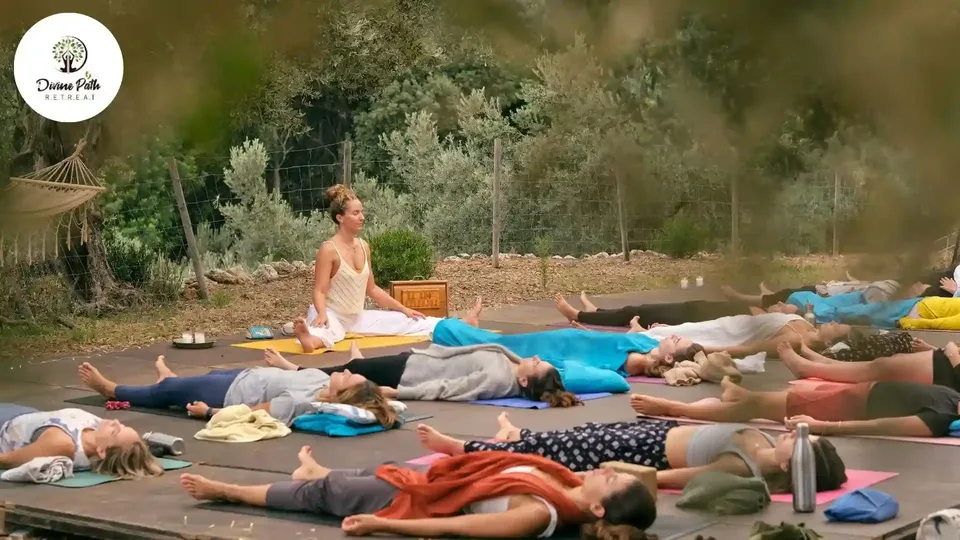
Before you book anything, ask yourself why you want to do the training. Some people want to teach yoga as a job. Others simply want to understand their own practice better. Both reasons are good, but they point to slightly different choices.
If you have never taught before, start with a 200-hour course. It covers all the basics and is enough to teach at most studios. After you have taught for a year or so, you can come back and do a 300-hour course to learn more and go deeper.
Once you have decided on the hours, pick the place and the dates that work for you. One small tip- notice how the school replies to your questions before you pay. A school that answers clearly and on time is usually the one that will take good care of you during the course as well.
To enroll in a Yoga TTC in India you can be from any stream of education. The best part is, that no age limit or any kind of experience is required before you start taking yoga courses in India. All you need is a passion for learning this divine art of healing the mind and body. Here at Divinepath Yoga School & Retreat, you will get the chance to explore the different yoga styles and gain knowledge to become a professional. So what are you waiting for? Here is the best time to take your first step and explore the stream.
Still, Have some questions in mind? Here, is all the additional information about the courses.
Aspiring candidates can find multiple yoga TTC in India. However, it all depends upon in which part of India you are staying or in what budget you are trying to find the yoga trainer course. Divinepath Yoga School & Retreat is an excellent option for individuals around the world to gain knowledge in the field of Yoga.
You may be a part of any kind of yoga TTC in India to achieve the Yoga Teacher Training certification. At Divinepath, you can compare different course levels and choose the one that suits your future goals.
The age limit for being a yoga trainer depends upon which course you are enrolling in and also what criteria the institution holds.
To become a yoga teacher in India you will have to join a yoga trainer course and then obtain the certificate. Besides, taking CPR and first aid certification is also advisable. You can contact Divinepath to get clear information about course levels, dates, fees, and certification steps.
As per data, the average salary of a yoga teacher in India could be between 25000 to 30000. However, one who has a studio and teaches various yoga styles like aerial yoga and Ashtanga yoga can earn up to rupees 60000 also.
For a beginner, a 200-hour course is the best place to start. It teaches you the basics, how to practise safely, and how to guide others. Divinepath runs 200-hour courses in Goa, Rishikesh and Bali, so you can choose the place that suits you.
For most people, yes. Yoga began in India, so you get to learn it in the place it comes from. The courses here also cost far less than the same training in the US or Europe, and you can finish in about four weeks.
A 200-hour course usually costs between 1,050 and 1,700 US dollars. The exact price depends on the city you pick and the kind of room you stay in. This amount covers your stay, your meals, the study material and the Yoga Alliance certificate.
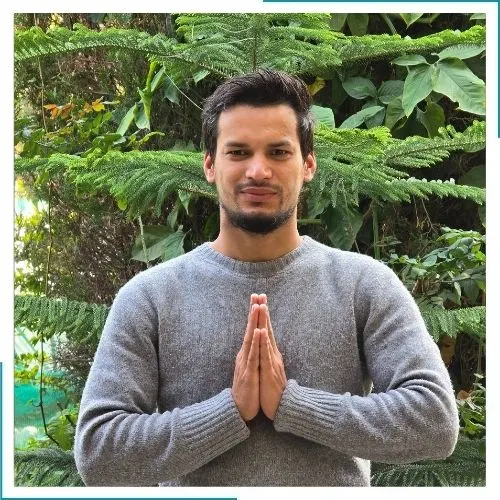
Written and reviewed for course accuracy by Yogi Naveen Ji.
Yogi Naveen Ji is an Ashtanga and Alignment instructor at Divinepath Yoga School & Retreat and reviewed this guide for course accuracy across Goa, Rishikesh, and Bali.
Start with our Goa 200-hour program or message us for help choosing between Goa, Rishikesh, and Bali. Monthly batches and room options are available.

One of the Best Yoga Teacher Training Courses & Retreats in India & Indonesia.
 Yoga Alliance RYS 200
School ID 457520
Verify registration →
Yoga Alliance RYS 200
School ID 457520
Verify registration →
Divinepath Yoga School & Retreat © 2026. All Rights Reserved.