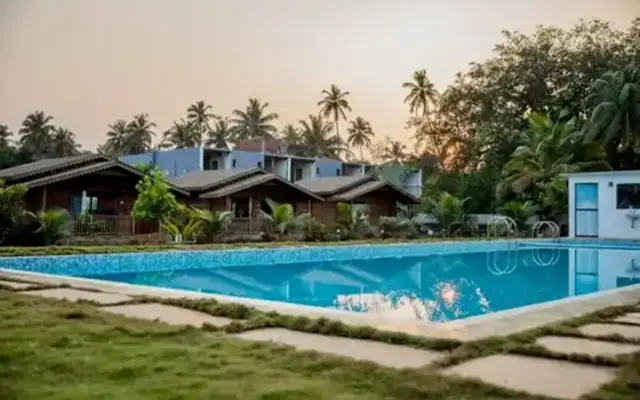
Goa
Arambol campus
- 1 Nov – 22 Nov 2026 from $1050
- 1 Dec – 22 Dec 2026 from $1200
- 5 Jan – 26 Jan 2027 from $1200
- 1 Feb – 22 Feb 2027 from $1050
- 1 Mar – 22 Mar 2027 from $1050
A 200 hour yoga teacher training is the starting certification that Yoga Alliance recognises. Once you finish, you register as an RYT-200 and you're qualified to teach anywhere. We run this programme at DivinePath Yoga School & Retreat across Goa, Rishikesh, and Bali, with all-inclusive pricing from $899.
You don't need five years on a mat to start. Enough interest to show up every day for three to four weeks? That's the real requirement.

Next five open batches per campus, pulled from the same course dates as each campus booking page. Shared-room price shown where available.
Arambol campus
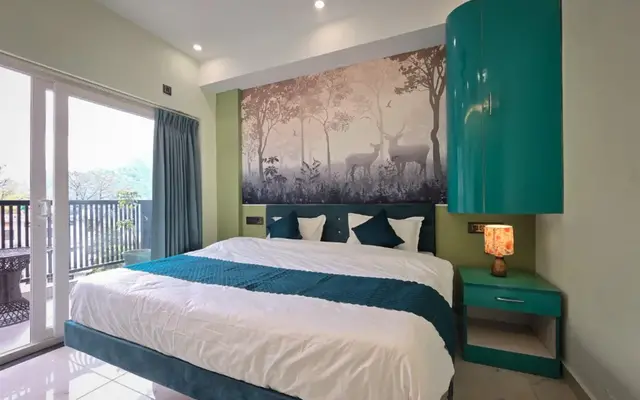
Tapovan campus
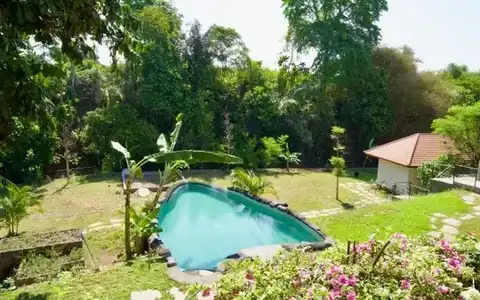
Klungkung campus
Yoga Alliance has a minimum framework. Every registered school follows it, but each school decides how to divide the hours and which styles to focus on.
The 200 hours break into five categories:
| Category | Minimum Hours | What It Means |
|---|---|---|
| Asana techniques | 75 hours | Physical postures — alignment, modifications, sequencing |
| Teaching methodology | 50 hours | Class planning, cueing, safe adjustments |
| Anatomy & physiology | 30 hours | Muscles, joints, breathing mechanics, injury prevention |
| Yoga philosophy | 30 hours | Patanjali's Yoga Sutras, ethics, yoga history |
| Practicum | 15 hours | Practice-teaching with feedback from senior teachers |
We go beyond the minimum in sequencing, hands-on adjustments, and voice modulation. Not the flashiest topics. But I've watched enough new teachers struggle with cueing to know these are the areas that make or break someone's first month of teaching.
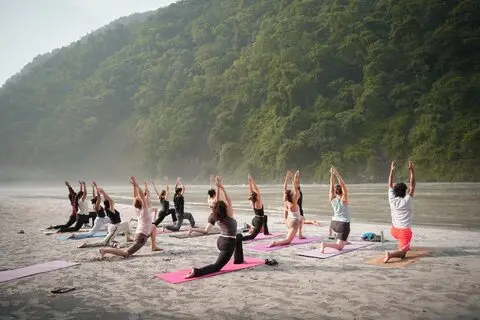
About 60% of people who sign up for a 200 hr ytt want to teach professionally. They finish, register with Yoga Alliance, and start applying to studios or building a private client list.
Another 30% aren't planning to teach at all. They've been practising for a year or two and want to understand why certain poses feel a certain way, or what pranayama actually does to the nervous system. The programme works well for that too.
The rest are career changers. Leaving office jobs, looking for work they can do from Lisbon or Chiang Mai or wherever. A 200 hour certification takes less than a month, it's recognised internationally, and you don't need a degree.
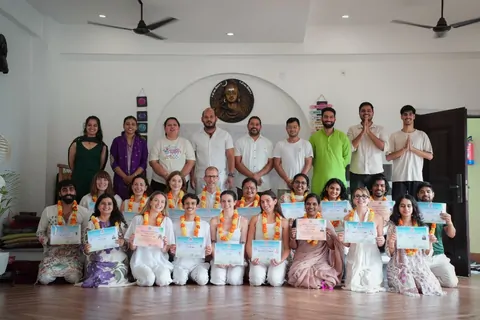
We've had a 19-year-old who'd been doing yoga for six months sit next to a 63-year-old with three decades of practice. Same programme, same certification at the end.

Classical postures, held longer than what you'd see in a flow class. We cover alignment for 60+ asanas, prop usage, and how to modify for different bodies. If someone has tight hamstrings or a dodgy shoulder, you need to know what to offer them instead of just saying "go deeper." That's what this module is for.
We teach the Primary Series. It's a fixed sequence linked by breath, and it's demanding. Honestly, not every student loves it. Some find it too rigid. But understanding Ashtanga makes you a better flow teacher even if you never teach the full series yourself.
Kapalbhati, Nadi Shodhana, Bhastrika, Ujjayi. We spend more time on breathwork than most 200 hour programmes because it's the one tool that works for everyone. A student who can't do a headstand can still do Nadi Shodhana. And it changes the quality of the entire practice.
Patanjali's Yoga Sutras. The Bhagavad Gita. The eight limbs.
We don't lecture at people for two hours. Our philosophy classes run as discussions. Students ask questions, disagree, bring up things that don't make sense to them. I'd rather someone says "I don't buy the chakra system" out loud than sits there nodding politely. The arguments are how the material actually sticks.

This isn't a medical course. We teach enough anatomy so you can explain why a student's knee hurts in Warrior II, or why rounding the lower back in a forward fold isn't always a problem. Muscles, joints, spine, nervous system — practical stuff that comes up in every class you'll ever teach.
Sequencing. Verbal cues. Physical adjustments. Room management. How to handle a student who's pushing too hard. How to handle a class that's clearly bored.
You'll teach practice classes during the programme and get feedback from senior teachers. By Week 3, most students can run a full 60-minute class without freezing up. The first few attempts are awkward. Always are. But that's what the practicum hours are for.
We don't pretend meditation is easy. Some students take to it in the first week. Others are still fidgeting by graduation. We teach the techniques and give enough practice time. That's all we can do. Forcing someone to "be calm" doesn't work, and we don't try.
Singing bowls, harmonium, group chanting. It's not required for RYT-200 certification. We include it because some of our graduates end up teaching classes that go beyond standard asana, and having exposure to sound healing gives them another tool.
Same curriculum, three different settings. The training content doesn't change. The duration, pricing, and atmosphere do.
| Goa (Arambol) | Rishikesh | Bali (Klungkung) | |
|---|---|---|---|
| Duration | 21 days | 25 days | 23 days |
| Shared room | $899 | $999 (all-inclusive) | $1,550 |
| Private room | $999 (AC) / $1,250 (cottage) | $999 (all rooms private) | $2,200 |
| Group size | 10-15 students | 10-15 students | 10-15 students |
| Setting | Beachside, tropical | Himalayan foothills, Ganges | Rice terraces, rural village |
| Best season | Oct-Mar | Feb-May, Sep-Nov | Apr-Oct |
| Nearest airport | GOX (40 min) | DED (45 min) | DPS (90 min) |
| Includes | Accommodation, 3 meals, materials, cert | Accommodation, 3 meals, materials, cert | Accommodation, 3 meals, materials, cert |
| Style emphasis | Hatha + Vinyasa + sound healing | Hatha + Ashtanga + Kundalini | Hatha + Vinyasa + Balinese ceremonies |
Goa is the most affordable and the most relaxed. Students who pick Arambol usually want the beach lifestyle alongside the training.
Rishikesh is where yoga comes from. If the traditional setting matters to you, that's the one.
Bali costs more. It's also quieter. Klungkung isn't a tourist town — it's rural, surrounded by rice fields. Good for people who want fewer distractions.
All three campuses lead to the same Yoga Alliance certification. School ID: 457520. You can check it on yogaalliance.org.
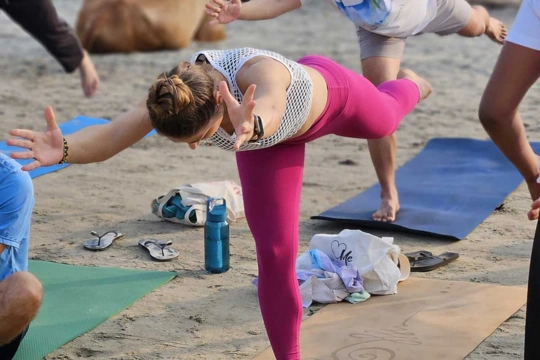
Long. I won't sugarcoat it.
| Time | Activity |
|---|---|
| 6:00 AM | Wake up |
| 6:30 - 7:00 AM | Pranayama and meditation |
| 7:00 - 8:30 AM | Morning asana (Hatha or Ashtanga) |
| 8:30 - 9:30 AM | Breakfast |
| 9:30 - 11:00 AM | Philosophy or anatomy class |
| 11:15 AM - 12:30 PM | Alignment workshop or teaching practice |
| 12:30 - 2:00 PM | Lunch and rest |
| 2:00 - 3:30 PM | Theory or student practice-teaching |
| 3:30 - 5:00 PM | Afternoon asana (Vinyasa or Yin) |
| 5:00 - 6:00 PM | Meditation or sound healing |
| 6:30 PM | Dinner |
| 7:30 PM onward | Self-study or free time |
Week 1 is tough. Your body isn't used to two asana sessions a day plus lectures plus meditation. By Week 2, the schedule starts feeling normal. We keep one afternoon per week free — laundry, sleep, going into town. You'll need it.
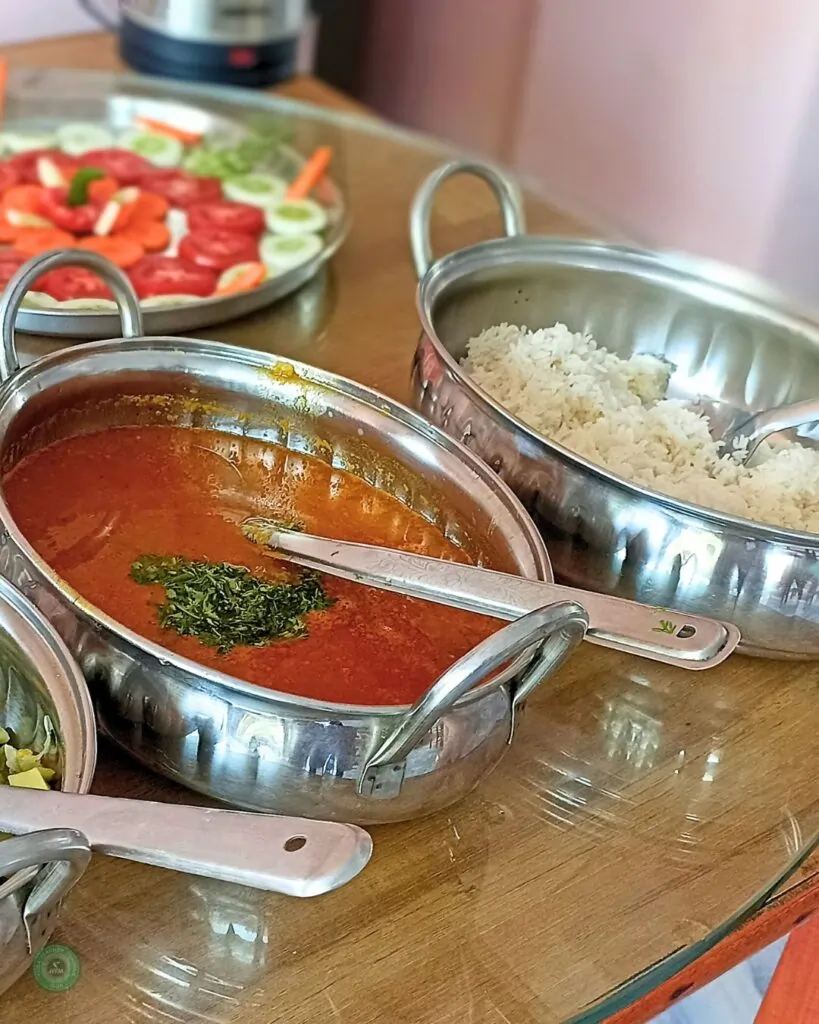
Accommodation for the full training. Three vegetarian meals a day plus chai and snacks. All study materials — we hand you manuals, anatomy charts, philosophy texts on Day 1. Yoga Alliance RYT-200 certification when you finish. Airport pickup on arrival. One or two group excursions depending on the campus. Wi-Fi.
Not included: your flight, travel insurance, personal spending. Visa costs depend on your passport.
A 25% deposit holds your spot. Balance is due 30 days before the start. We take bank transfers in USD, EUR, GBP, and INR.
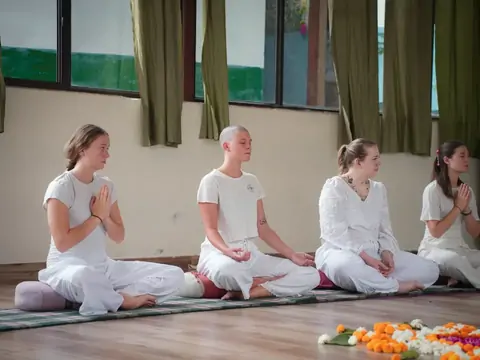
I'd rather turn someone away upfront than have them show up and realise it's not what they expected.
Recovering from surgery or a serious injury? Wait. We can't reshape the daily schedule around rehabilitation. Two asana sessions a day, six days a week. If your doctor hasn't cleared you for that level of activity, this isn't the right time.
Expecting a resort holiday with some stretching? This is a training programme. 6 AM starts. Anatomy textbooks. Practice-teaching in front of your classmates. It's good work, but it is work.
Need a fully online programme? We've got online theory modules, but our 200 hour certification is residential. Hands-on adjustments and practice-teaching don't translate through a screen. Other schools offer fully online 200 hr ytt options. We don't, because we think in-person training makes better teachers.
Looking for Bikram, Iyengar, or Jivamukti? We teach Hatha, Ashtanga Vinyasa, and Kundalini. If you want style-specific certification, find a specialist school for that.
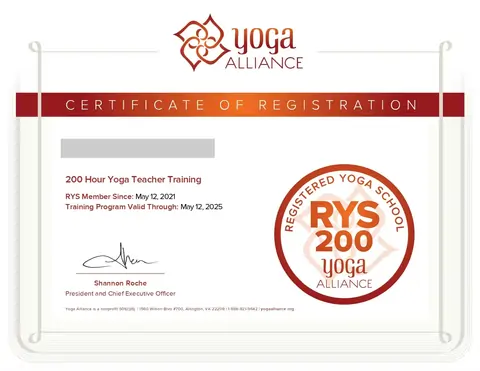
Yoga Alliance is the biggest international registry for yoga teachers. You complete a 200 hour yoga teacher training at a Registered Yoga School, and then you're eligible to register as an RYT-200.
What does that actually get you? Your name in the Yoga Alliance directory. Studios and gyms in most countries treat RYT-200 as a baseline credential. Insurance companies in the US, UK, and Australia usually require it. Legally, nobody has to be certified to teach yoga. But practically, studios won't hire you without it.
DivinePath is a Yoga Alliance Registered School — RYS 200 and RYS 300. School ID 457520. Go to yogaalliance.org and look us up if you want to verify.
Hundreds of schools run this certification. When you're comparing, these are the things I'd actually check:
Is the school listed on yogaalliance.org? If it's not, your certification might not be recognised outside that country. Check this before anything else.
What's the batch size? A programme with 35 students can't give individual teaching feedback. We cap at 15. That number matters because every student needs enough practice-teaching time with real corrections.
What's included in the price? Some schools advertise $600 but charge separately for accommodation, meals, and materials. By the time you add it all up, you're paying more than a school that listed $999 upfront. Our prices include everything except flights and personal expenses.
Can you see the daily schedule before you book? If a school won't share it, that's a red flag. The schedule tells you whether the programme is rigorous or loose.
Can you talk to someone who graduated from there? We'll connect you with alumni in your country. That conversation tells you more than any website can.
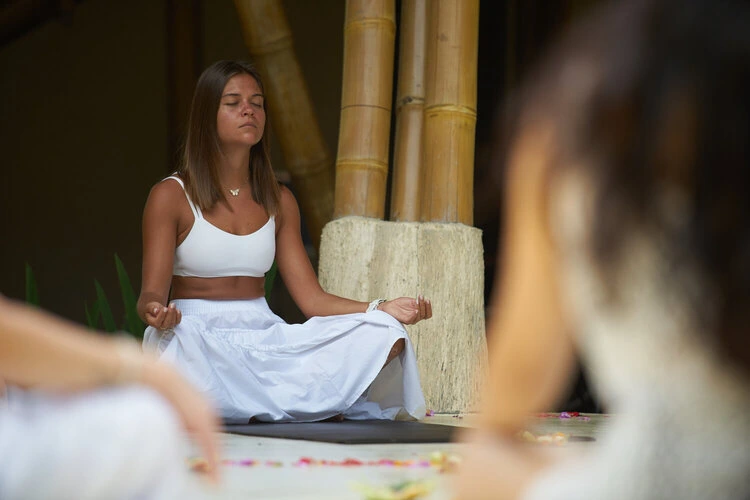
You leave with your RYT-200 certificate, a teaching manual, and probably a mix of excitement and nervousness about what comes next.
Some graduates teach their first class within a month. Others sit with it for half a year before they feel ready. I've seen both work out fine. Career paths after the programme are all over the map. Some open studios. Some teach online. Some travel and teach at retreat centres. A few just go back to their regular jobs with a much deeper understanding of their own practice.
After you finish: you've got lifetime access to curriculum updates, a private alumni group, and if you want help applying to studios or setting up your first workshop, we'll walk you through it. And whenever you're ready for the next step, our 300-hour programme picks up right where the 200-hour leaves off.
Not really. We recommend at least 3 to 6 months of regular practice so the basic postures aren't completely foreign. But we've had total beginners join and graduate. It's more about willingness to work than how flexible you are.
Between 21 and 25 days at DivinePath. Goa runs 21 days, Bali 23, Rishikesh 25. Same contact hours across all three — the difference is schedule spacing.
Yes. RYT-200 is the standard entry-level credential. You register with Yoga Alliance and you can teach at studios, gyms, wellness centres, or on your own. Some countries don't even require certification to teach, but most employers won't hire without it.
The 200 hour covers fundamentals. The 300 hour goes into advanced asana, therapeutic applications, and specialised teaching. You need the 200 first. Together they add up to 500 hours — the highest level Yoga Alliance certifies.
In short, yes. It's US-based and accepted in the US, Canada, UK, Australia, and most of Europe and Asia. A few countries have their own registries, but Yoga Alliance is typically accepted alongside them.
At DivinePath: $899 for a shared room in Goa, $999 in Rishikesh, $1,550 to $2,200 in Bali depending on room type. Those prices cover everything — room, three meals a day, materials, and certification. No hidden fees.
Comfortable clothes you can move in. Notebook. Sunscreen. Insect repellent. Personal medications if you take any. We provide mats, props, and study materials. Bring a light jacket for 6 AM sessions — mornings can be cool even in Goa.
Not exactly. The 200 hour curriculum covers Hatha, Ashtanga Vinyasa, and Kundalini at every location. You don't pick one — you study all three. Gives you a broader base for teaching. Bali adds some Balinese ceremony elements, Goa includes sound healing, but the core training is identical everywhere.
No. Roughly a third of our students have no plans to teach. They join because they want to understand yoga more deeply — the anatomy, the philosophy, the why behind the practice. Works perfectly well for that.
We take a 25% deposit upfront and the rest 30 days before you start. If you need more flexibility on timing, reach out directly and we'll sort something out.
Your deposit is non-refundable but it's transferable. You can shift to a different date or location. Cancel more than 60 days out and we transfer the deposit for free. Under 60 days, there's a small admin fee. We try to be fair about it.
Three things. We run the exact same certified programme at three locations, so you pick the setting without compromising the training. We keep batches at 15 students max — big enough for group energy, small enough for personal attention. And our pricing is transparent. The number on the page is the number you pay. Yoga Alliance School ID 457520 — publicly verifiable.
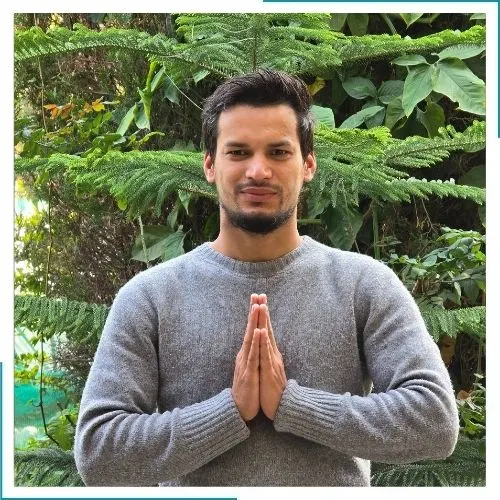
Ashtanga & Alignment Instructor, DivinePath Yoga School & Retreat — full profile
One of the Best Yoga Teacher Training Courses & Retreats in India & Indonesia.
 Yoga Alliance RYS 200
School ID 457520
Verify registration →
Yoga Alliance RYS 200
School ID 457520
Verify registration →
Divinepath Yoga School & Retreat © 2026. All Rights Reserved.