




Most yoga teacher training schools in Goa are in North Goa — specifically Arambol and Mandrem. South Goa (Palolem, Agonda) has fewer schools and higher living costs. At Divinepath, our Goa campus is in Arambol, where our 200-hour Yoga Alliance-certified YTT starts at $500 without accommodation, $699 for a dorm room, or $899 for a shared cottage. We chose Arambol deliberately — it’s the most affordable, most yoga-focused, and most community-driven area in all of Goa.
This guide compares the three main areas so you can understand why location within Goa matters more than most people realise. If you’re already set on Goa for your training but wondering which part of Goa to train in, this is the only article you need. We live and teach here year-round, so everything below comes from daily experience, not a two-week holiday.
Before we get into the details, here’s the side-by-side comparison. These three areas represent the main options for yoga students in Goa.
| Category | Arambol (North) | Mandrem (North) | Palolem (South) |
|---|---|---|---|
| Vibe | Bohemian, backpacker, laid-back | Quiet, hippie, wellness-focused | Resort-style, touristy, relaxed |
| Beach | Rocky cove + main beach | Long, flat, clean sand | Crescent bay, calm waters |
| Crowd | Yogis, backpackers, Russians, Israelis | Wellness crowd, families, quieter | Package tourists, honeymooners, families |
| Yoga Schools | 5–10 active YTT schools | 2–4 schools | 2–3 schools |
| Food Cost | $2–$5 per meal | $3–$6 per meal | $4–$8 per meal |
| Nightlife | Drum circles, chill bars | Almost none | Bars and clubs (Silent Noise) |
| Distance from GOX Airport | ~90 min by taxi | ~80 min by taxi | ~60 min by taxi |
| Divinepath Campus | Yes — our Goa HQ | No | No |
| 200h YTT Available | Yes — from $899 | Not at Divinepath | Not at Divinepath |
| Best For | Serious YTT students on a budget | Quiet personal retreats | Holiday + yoga combo |
Our Arambol campus sits in North Goa — see dates, rooms, and daily schedule.
Now let’s break down what each location actually feels like when you’re living there for three to four weeks of intensive training.
Arambol is a former fishing village at the northernmost tip of Goa’s beach belt. Over the past 15 years, it’s become the undisputed yoga capital of Goa. Walk down the main road and you’ll pass more yoga schools, crystal shops, and vegan cafes than you can count. The beach is a 5-minute walk from most schools, and the sunset drum circle on Arambol cliff is a Goa institution.
This is where Divinepath’s Goa campus is located. Our yoga shala, cottages, and dining area are all in Arambol, surrounded by palm trees and a short walk from the beach. We chose this location because it offers the best combination of affordability, yoga community, and infrastructure for international students.
The downside of Arambol: It’s not luxurious. Stray dogs roam freely. The beach can get crowded during peak season (December–January). If you need polished, resort-style surroundings, Arambol will test your patience. But if you want an authentic, affordable, community-driven yoga experience in India, there’s nowhere better in Goa.
Mandrem is about 15 minutes south of Arambol by scooter. It’s quieter, cleaner, and more upscale than Arambol — but it’s still firmly North Goa.
The downside of Mandrem: It can feel isolated. The village is spread out, and without a scooter you’re stuck. There’s no central hub like Arambol’s main road where everything is walkable. After training hours, there’s not much to do except go to the beach or sit in your room. Some students love that stillness. Others feel lonely, especially solo travelers.
Divinepath does not operate in Mandrem. If you’re drawn to Mandrem’s quiet energy but want Divinepath’s pricing and curriculum, our Arambol campus is just 15 minutes away. Several of our past students have told us they explored Mandrem on rest days and preferred Arambol for the actual training weeks because of the community and walkability.
Palolem is the most popular beach in South Goa, about 2–2.5 hours south of Arambol by taxi. It’s a completely different world from North Goa.
The downside of Palolem for YTT: The tourist atmosphere can work against serious training. Palolem’s bars play music late. The beach is crowded during the day. There’s a party culture (Silent Noise disco on the beach is a Palolem institution) that doesn’t mix well with a 6:00 AM yoga schedule. Most importantly, there’s almost no yoga student community — you’ll be one of the few people in the area doing intensive training.
Divinepath does not operate in South Goa. We’ve looked at Palolem and Agonda multiple times and decided against it. The higher property costs would force us to raise prices beyond what we think is fair for a 200-hour course. And the tourist environment doesn’t support the focused, community-driven training we want to deliver. Arambol remains the right home for our Goa campus.
Your course fee covers accommodation and meals, but you’ll spend money outside of training hours on personal expenses. Here’s how the three areas compare for common daily costs:
| Expense | Arambol | Mandrem | Palolem |
|---|---|---|---|
| Budget meal (local) | $2–$3 | $3–$5 | $4–$6 |
| Mid-range restaurant | $4–$6 | $5–$8 | $6–$10 |
| Coffee (cafe) | $1–$2 | $2–$3 | $2–$4 |
| Scooter rental (day) | $5–$7 | $5–$7 | $5–$8 |
| Laundry (per kg) | $0.50–$1 | $1–$1.50 | $1–$2 |
| SIM card (1 month) | $3–$5 | $3–$5 | $3–$5 |
| Taxi to beach (from school) | Free (walking) | N/A | N/A |
| Monthly personal budget | $50–$100 | $80–$150 | $100–$200 |
The takeaway: Arambol is 30–50% cheaper than Palolem for daily living expenses. Over a 21-day training, that adds up to $50–$100 in savings just on food, coffee, and laundry. Combined with the lower course fees available in Arambol, choosing North Goa over South Goa can save you $300–$500 total.
Goa’s main airport is Manohar International (GOX), located in North Goa near Mopa. From there:
Some students fly into Dabolim (the old Goa airport) which is closer to South Goa, but fewer international flights use that airport now.
Once you’re in Arambol, you don’t need any transport. Divinepath’s campus, the beach, shops, cafes, ATMs, and pharmacies are all within walking distance. This is a real practical advantage — no scooter rental needed, no taxi costs, no navigating unfamiliar roads. In Mandrem and Palolem, a scooter ($5–$8/day) is basically essential.
People sometimes ask about other Goa beaches. Here’s the quick rundown:
For serious yoga teacher training, the realistic choices narrow to Arambol (our recommendation), Mandrem (if you want quieter North Goa), or Palolem (if South Goa’s scenery is non-negotiable).
The weather across Goa is broadly the same — tropical, with a clear dry season (October–March) and a monsoon season (June–September). But the practical impact of weather differs by area.
The practical advice: October or November in Arambol is the sweet spot. The weather is great, prices are at standard rates (not peak-season premiums), batches aren’t fully booked yet, and the yoga community is active. At Divinepath, our October and November batches often have the best student-to-teacher ratio because December fills first. Check out our detailed guide to the best time to visit Goa for more insights.
In Arambol: no. Everything is walkable. Divinepath’s campus, the beach, shops, cafes, ATMs, pharmacies — all within a 10-minute walk. This is a real practical advantage. You save $5–$8 per day on scooter rental, you avoid the risk of riding in Indian traffic (which is chaotic even by local standards), and you don’t need to worry about parking, fuel, or flat tyres. Several of our students have specifically told us they chose Arambol because they didn’t want to depend on a vehicle.
In Mandrem: strongly recommended. The village is spread out along a single road with long gaps between shops, restaurants, and the beach. Without a scooter, you’re either walking 20–30 minutes to the beach or paying for rickshaw rides multiple times a day. A scooter costs $5–$7 per day and makes Mandrem much more liveable.
In Palolem: recommended but not essential. The beach and main strip are walkable, but if you want to explore nearby Agonda, Cola beach, or Butterfly Island, you’ll need a scooter or taxi. South Goa’s attractions are more spread out than North Goa’s.
At Divinepath in Arambol, we tell students to save the scooter money and walk. The walking itself becomes part of your daily practice — 10 minutes to the beach, 10 minutes back, done in flip-flops. Your body will thank you for the extra gentle movement between intensive training sessions.
Massively. This is an underrated factor that affects your training experience more than you’d expect.
At Divinepath in Arambol, we cap our batches at 15 students. But you’re not limited to just those 15 people. Arambol’s broader yoga community means your social world extends well beyond your own school — and many of our graduates say that the friendships they made outside of class were just as meaningful as what happened inside the yoga shala.
After running training in Arambol for multiple seasons, we’ve seen patterns in how students make location decisions. Here are the most common mistakes:
Our honest recommendation: For yoga teacher training specifically, choose Arambol. Not because we’re based there (though we are), but because it genuinely offers the best combination of affordability, community, walkability, and yoga-focused infrastructure. We’ve scouted every part of Goa over the years, and Arambol remains the right answer for serious YTT students. If you want to take your 100-hour, 300-hour, or even beginner YTT, the convenience of Arambol makes the intensive learning much easier.
Our Goa campus is in a palm-tree-lined compound in Arambol, a short walk from the main road and the beach. Here’s what’s on-site:
At Divinepath, you pay a 25% deposit to secure your seat. For the 200-hour shared cottage option, that’s approximately $225. The remaining balance is due on or before arrival day.
Batches start on the 1st of every month. We run courses year-round, but peak season (October–March) fills up fastest. We recommend booking 4–6 weeks ahead during peak season and 2–4 weeks ahead during shoulder/monsoon months.
Contact us at +91-8868043473 (WhatsApp) or through our website. Tell us your preferred dates and room type, and we’ll confirm availability. If your preferred month is full, we’ll suggest the next available batch. (P.S. If you are comparing beach locations globally, check out our comparison between Goa vs Bali YTT options).
North Goa is better for yoga teacher training. Specifically, Arambol in North Goa has the highest concentration of Yoga Alliance-certified schools, the lowest living costs, the strongest yoga student community, and the best infrastructure for international students. Divinepath’s Goa campus is in Arambol, where the 200-hour YTT starts at $500 without accommodation, $699 for dorm, and $899 for shared cottage.
In Arambol, Divinepath’s 200-hour Yoga Alliance-certified YTT starts at $500 without accommodation, with dorm rooms at $699 and shared cottages at $899. In Palolem (South Goa), comparable courses at other schools typically cost $1,200–$2,000 because property and operating costs are higher. Daily living expenses in Palolem are also 30–50% higher than Arambol.
No. Divinepath operates exclusively in Arambol, North Goa. We chose Arambol because it offers the best combination of affordability, yoga community, and walkable infrastructure for international students. We’ve evaluated South Goa locations (Palolem, Agonda) and decided the higher costs would force us to raise prices beyond what we consider fair for a 200-hour course.
Manohar International Airport (GOX) in North Goa is about 90 minutes from Arambol by taxi. Divinepath arranges airport pickup for $25–$40. We can also coordinate shared rides with other arriving students to split the cost. The old Dabolim airport (GOI) is farther from Arambol but closer to South Goa.
Yes. Arambol is a small, walkable tourist village with a large international community. At Divinepath, we’ve hosted solo female students from 45+ countries without safety incidents. Standard travel precautions apply — avoid empty beaches late at night and keep valuables secure. Our detailed solo female safety guide covers everything specific to Goa.
Yes, on rest days. Palolem and Agonda are about 2–2.5 hours south of Arambol by taxi. Some students make a day trip or overnight trip to South Goa on their weekly rest day. It’s a nice way to see both sides of Goa without committing to living in the more expensive south. Divinepath’s rest-day excursions sometimes include South Goa visits depending on group interest.
Join our thriving yoga community in North Goa. Pick your month, choose your room type, and secure your spot with a 25% deposit.
Explore Arambol YTT Dates WhatsApp Us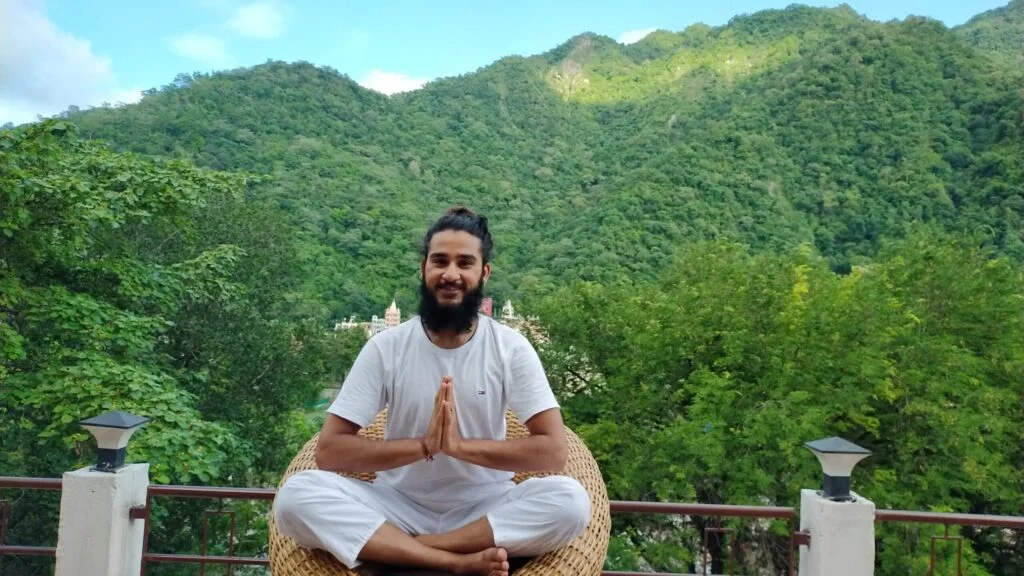
Lead Facilitator, Divinepath Yoga School & Retreat (Goa Campus)
View Profile
One of the Best Yoga Teacher Training Courses & Retreats in India & Indonesia.
 Yoga Alliance RYS 200
School ID 457520
Verify registration →
Yoga Alliance RYS 200
School ID 457520
Verify registration →
Divinepath Yoga School & Retreat © 2026. All Rights Reserved.