




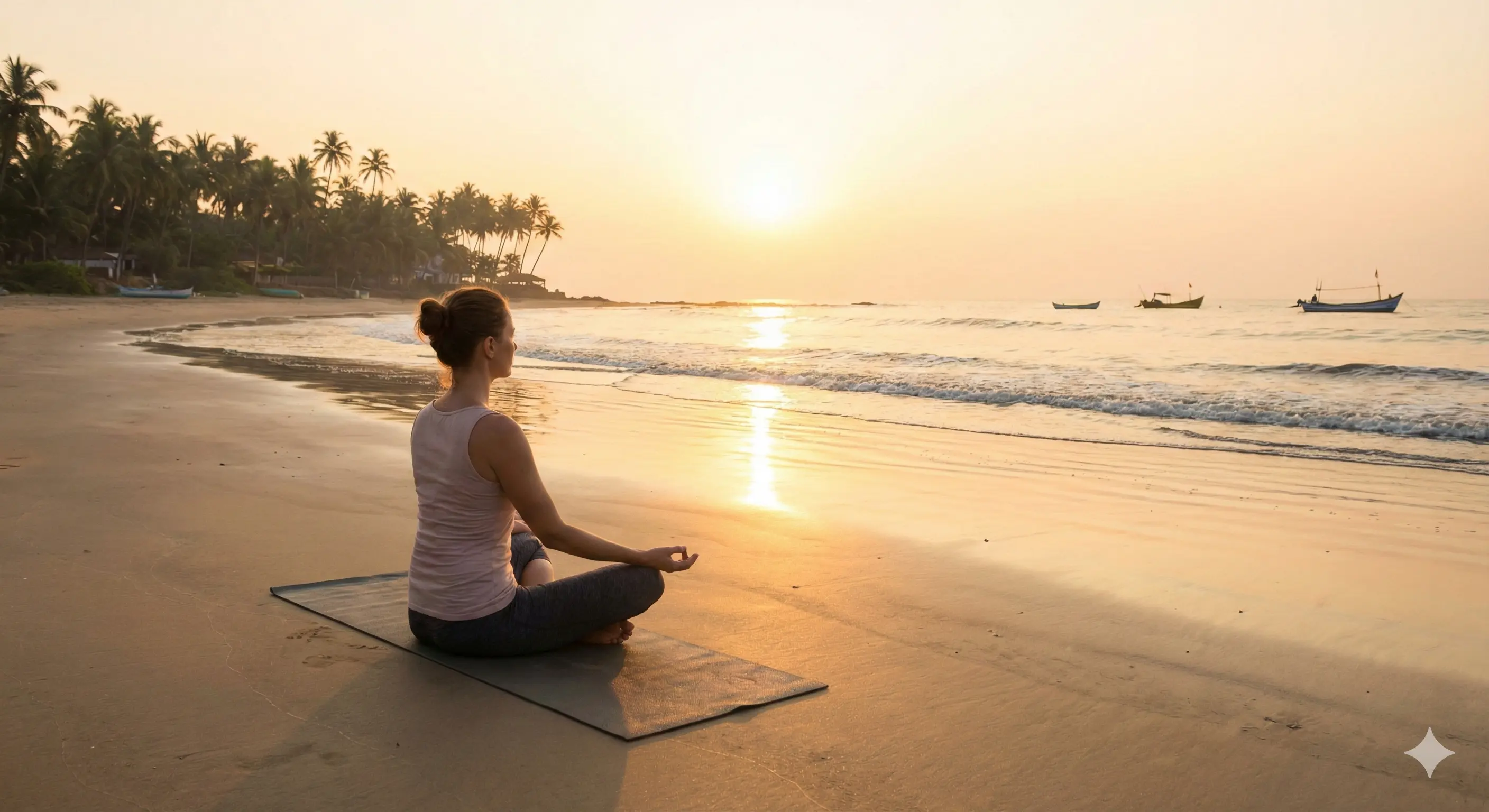
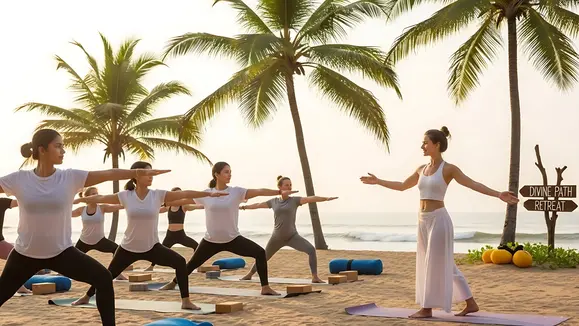
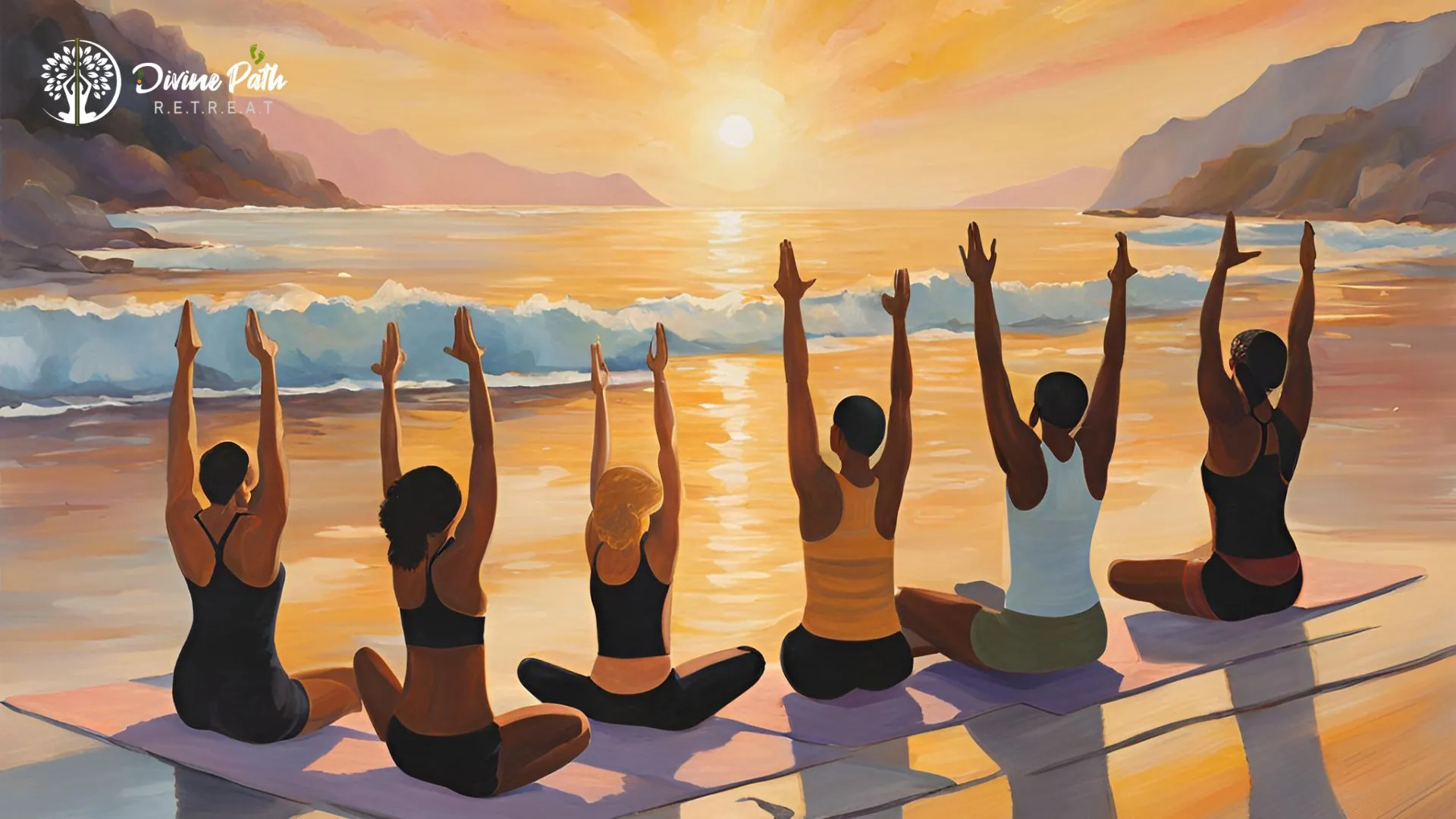
For peaceful practice, we recommend Agonda and Patnem in South Goa, or Arambol and Ashwem in North Goa. Avoid loud spots like Baga and Calangute. The best time for practice is sunrise to 7:30 AM.
You know that feeling when you roll out your mat on sand and the ocean's right there, but then a jet ski roars past? We've been there too.
After years of teaching yoga near Goa's coastline, we've learned which beaches actually support your practice and which ones just look good in photos. If you're planning a yoga retreat in Goa or you're already here trying to find your quiet corner, this guide will save you some frustration.
The truth is, not every beach in Goa works for yoga. Some are too loud. Some get crowded by 8 a.m. And some feel perfect until the beach shacks start blasting music. We'll walk you through the beaches we return to again and again, and the ones we've learned to avoid.
It's not just about being pretty. A good yoga beach needs to be quiet early in the morning. That's when the light is soft, the air is still cool, and most tourists are still sleeping. You want to finish your practice before the crowd arrives.
The sand matters too. Soft, clean sand works for standing poses, but it needs to be firm enough that you're not sinking with every breath. We usually arrive right after sunrise when the sand is still compact from the tide.
Energy is harder to explain but you feel it immediately. Some beaches have a calm, settled quality. Others feel restless even when they're empty. Meditation beaches in Goa tend to be the ones that locals visit too, not just tourist spots.
And honestly? You need space. Not just physical space, but the kind of space where you don't feel watched or interrupted. Where a morning practice feels natural, not like a performance.
These are the beaches we return to. The ones that hold stillness even during high season.
Agonda is our most reliable choice. It's a long, quiet stretch in South Goa that stays peaceful even when other beaches are packed. You'll see a few other yogis here at sunrise, which tells you something. The local community respects morning practice, and the beach shacks don't start their music until much later.
The sand is firm in the early hours, perfect for standing sequences. We've taught everything from gentle Hatha to more dynamic Vinyasa here without any issues.
The walk to the southern end of Agonda gives you even more solitude if you need it. Just watch for the occasional fishing boat coming in.
Patnem sits just south of Palolem, but it's calmer by nature. This beach has a sweet, grounded energy. It's smaller than Agonda, which means you'll see the same faces morning after morning. There's something nice about that familiarity. The locals wave, the dogs know you, and your practice becomes part of the beach's rhythm.
Patnem works beautifully for restorative practices. The curve of the bay creates a natural shelter, so even if there's wind elsewhere, you're often protected here.
We've held several retreat sessions here. The only real challenge is that space gets tighter during peak season, so arriving early matters.
Ashwem is our go-to in North Goa when we want quiet beaches in goa for yoga without going all the way south. It's less developed than Anjuna or Vagator, which helps. You'll find a mix of long-term visitors and locals, and there's an unspoken understanding about morning hours being sacred. The northern end is particularly good for meditation.
The sand here is softer, so we usually practice near the water line where it's firmer. Strong standing poses work fine. Balance poses need a bit more attention.
Ashwem is also beautiful for walking meditation along the shoreline. The beach extends far enough that you can walk for twenty minutes in either direction.
Morjim has a reputation for being Russian-dominated, but early morning tells a different story. Before 7:30 a.m., this beach is beautifully empty. It's wide, clean, and the northern section near the turtle nesting areas stays quiet all day. We've practiced here countless times without any disturbance.
The energy here feels more open than grounded. If you're working with more expansive practices or you want space for movement, Morjim delivers.
One thing to know: the wind picks up earlier here than at other beaches. Plan your practice accordingly.
This one requires effort, and that's exactly why it works. Butterfly Beach isn't accessible by road. You either boat in or hike down a steep trail through the forest. Most casual tourists skip it, which means you'll often have this tiny cove to yourself.
The seclusion here is profound. It's one of the few places in Goa where you can practice in complete silence, with just the waves and occasional bird calls. We take smaller groups here for special retreat days when we want to go deeper.
The beach is small, so large groups won't work. But for solo practice or intimate sessions, it's unmatched.
Arambol has a complicated reputation, but hear us out. Yes, the main beach gets busy. Yes, there's a strong party and performance culture. But the northern stretch, especially near Sweet Water Lake, offers something different. Early morning here can be genuinely peaceful, and you're practicing alongside a community that understands yoga culture.
The walk to Sweet Water Lake through the rocks gives you a smaller, more protected cove. This spot works beautifully for meditation and quieter practices. The main beach is better for dynamic flow when you don't mind some energy around you.
What makes Arambol special is the infrastructure. After practice, you'll find excellent cafes, healing centers, and other yogis to connect with. If you want both practice space and community, Arambol delivers that balance.
We've tried practicing on popular beaches, thinking we could work around the noise. We were wrong.
This doesn't mean these beaches are bad. They're wonderful for swimming, socializing, or watching sunset. They're just not suited for yoga practice anymore.
South Goa wins for consistency. The beaches in South Goa – Agonda, Patnem, Palolem (early morning), and the smaller coves – maintain a quieter atmosphere. Development is slower here, and there's still a respect for peace that you feel immediately.
North Goa has pockets of calm, especially Ashwem and Morjim. But you're more likely to encounter noise, construction, or crowds. The peaceful beaches in north goa exist, but they require more local knowledge to find.
That said, North Goa has better infrastructure. If you need cafes, yoga studios, or community spaces afterward, North Goa delivers. Many serious practitioners base themselves in Arambol or Ashwem and travel to quieter beaches for practice.
For retreats, we usually choose South Goa. For longer stays where you want community and amenities, North Goa makes sense.
Not always. The sand works for many practices, especially if it's firm. But a thin travel mat helps with balance poses and protects your knees in seated positions. We often practice without mats for grounding sessions.
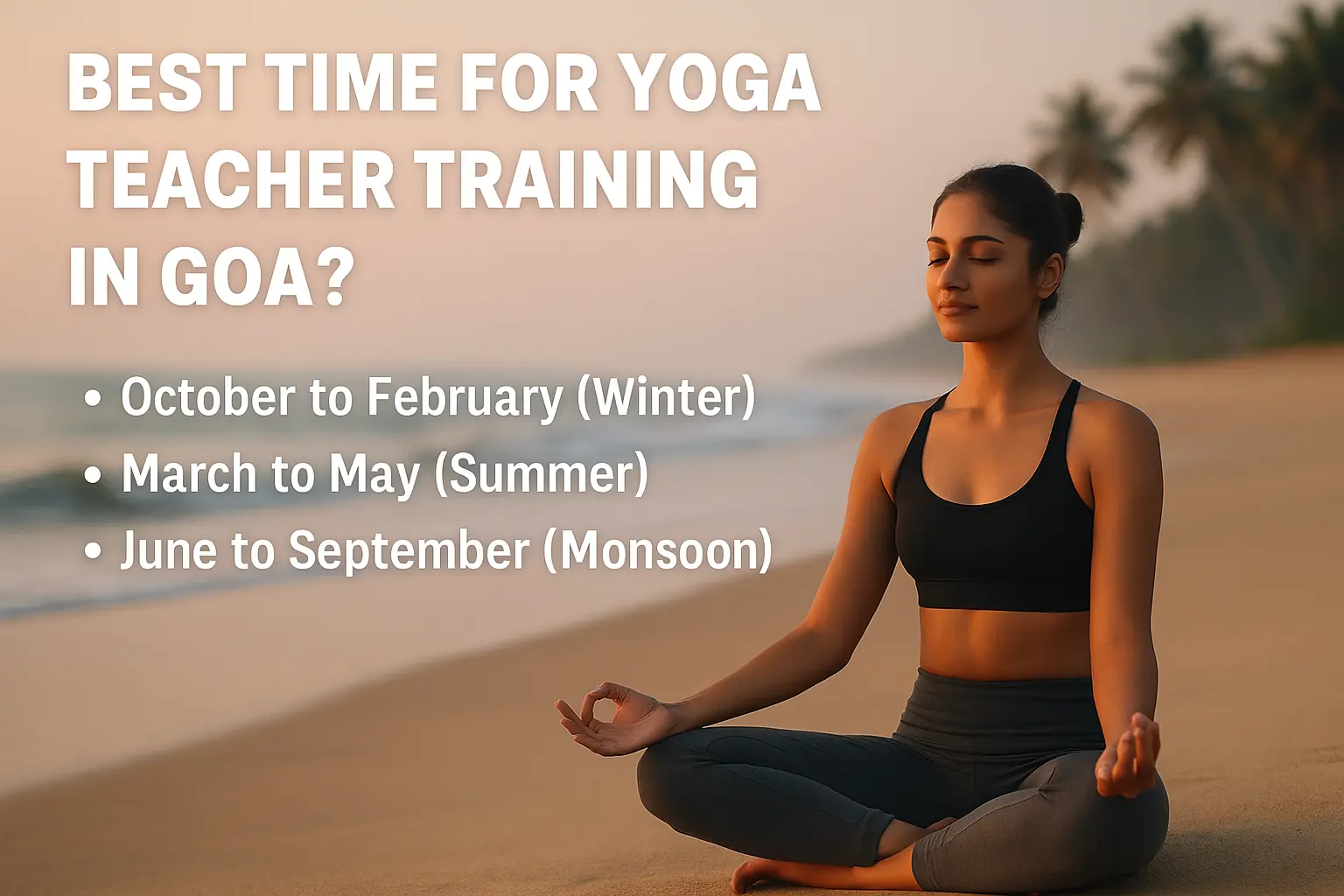
Sunrise to 8 a.m. is your window at most beaches. After that, crowds and heat become factors. During peak season (December-February), aim for 6:30 a.m. or earlier.
Generally yes, especially the ones we've listed. Early morning beach communities in Goa are respectful. We always recommend practicing in visible areas rather than completely isolated spots, and trusting your instincts.
Beaches in goa for morning meditation work beautifully during monsoon (June-September) if you don't mind rain. The crowds disappear, and the beaches become incredibly peaceful. Just avoid practicing during storms or when the sea is rough.
Walk. Most beaches in Goa are long enough that a ten-minute walk in either direction finds quieter space. The ends of beaches are almost always less populated.
We test beaches over multiple seasons before including them in our programs.
First, we visit at different times of day and year. A beach that's perfect in November might be construction-noisy in March. We need to know its patterns.
Second, we watch how locals use the space. If fishermen work early mornings, we know to practice in different sections. If locals come here for their own peace, that's usually a good sign.
We also consider what happens after practice. Is there shade nearby? Clean facilities? Somewhere for students to sit and journal? The yoga session itself is important, but the transition afterward matters too.
According to the Yoga Alliance, environment significantly impacts practice depth. We've seen this proven again and again. The right beach doesn't just accommodate yoga – it enhances it.
Finally, we consider accessibility for different levels. Some students can hike to Butterfly Beach. Others need easier access. A good retreat offers options.
The best beaches in goa for yoga aren't always the most famous ones. They're the beaches where you can hear your own breath. Where the morning light hits just right and you remember why you started practicing in the first place. Where the sand holds you and the ocean sets the rhythm.
We've taught hundreds of sessions on these beaches, and we still get that feeling of settling in when we arrive. That's what you're looking for – not perfection, but a place that lets you practice without fighting for it.
If you're planning to visit Goa for yoga, start with the beaches we've listed. Give yourself time to explore. Notice which ones feel right for your practice style.
And if you want guidance finding your place here, we'd be glad to help. Sometimes having someone who knows these beaches makes all the difference.
Ready to experience Goa's peaceful side? Join us for a 3-day yoga retreat where the practice comes first and the setting supports everything else.












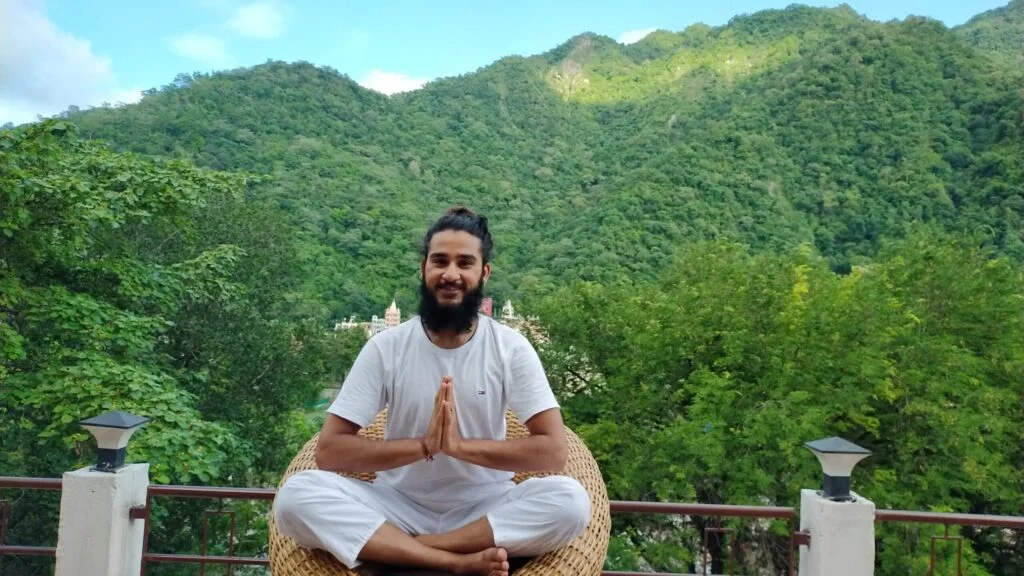
Lead Facilitator & Retreat Coordinator (Goa)
View Profile