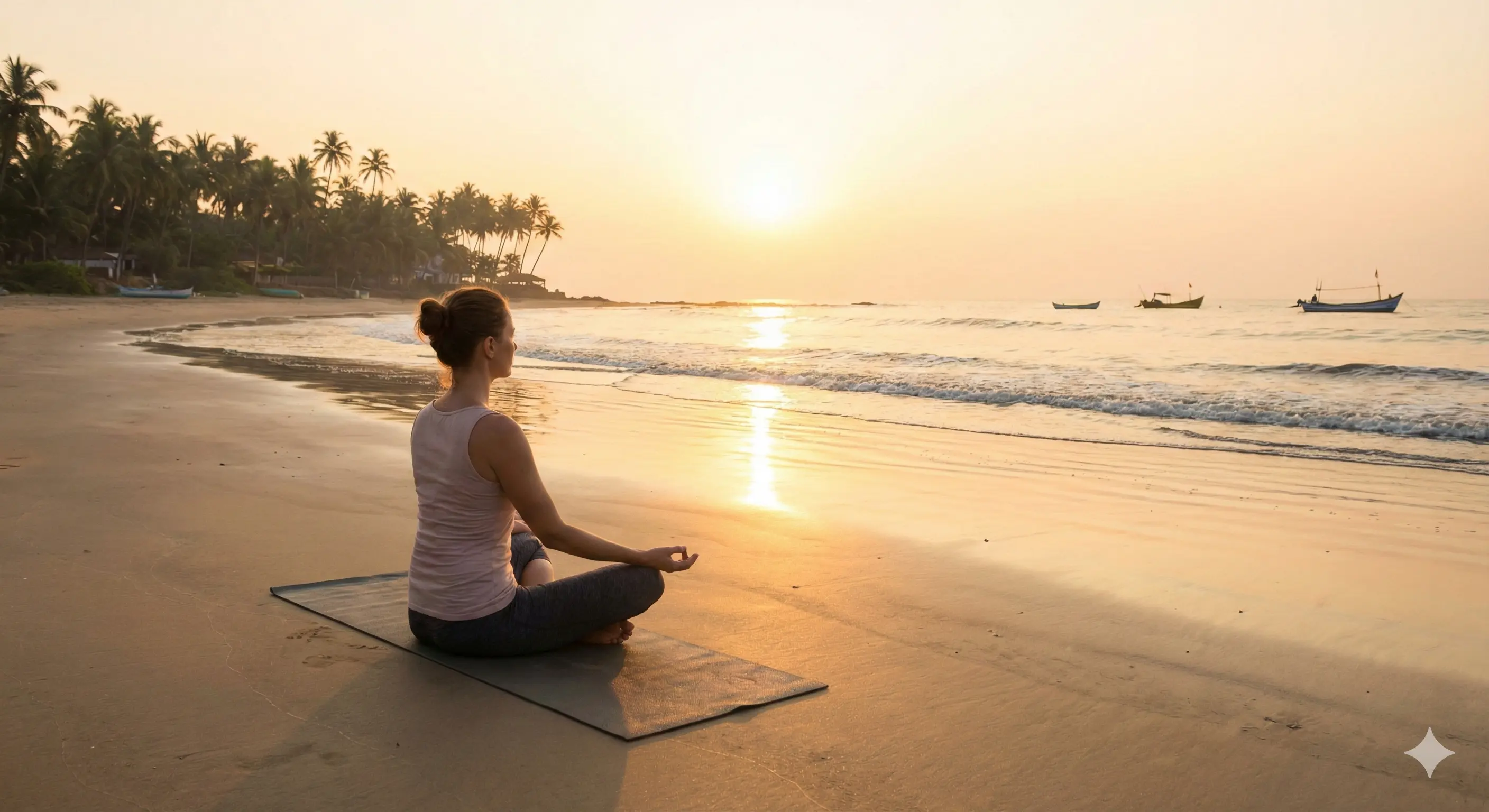




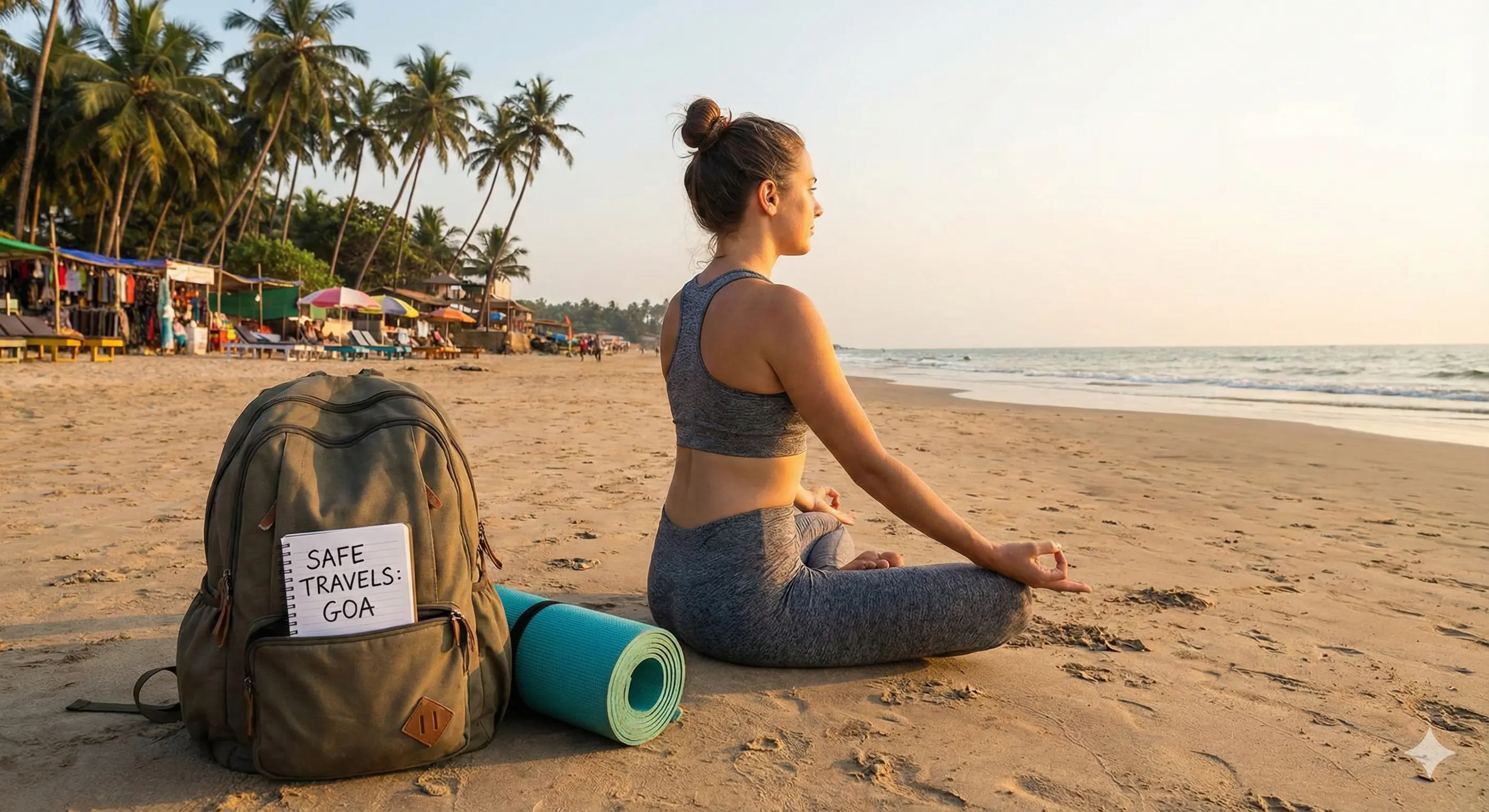
Goa is safe for solo women if you choose the right area (South Goa recommended), use registered taxis, and maintain a schedule. Retreats offer built-in community and security that hotels don't. Trust your gut and connect with others.
We understand the knot in your stomach when you book that flight alone.
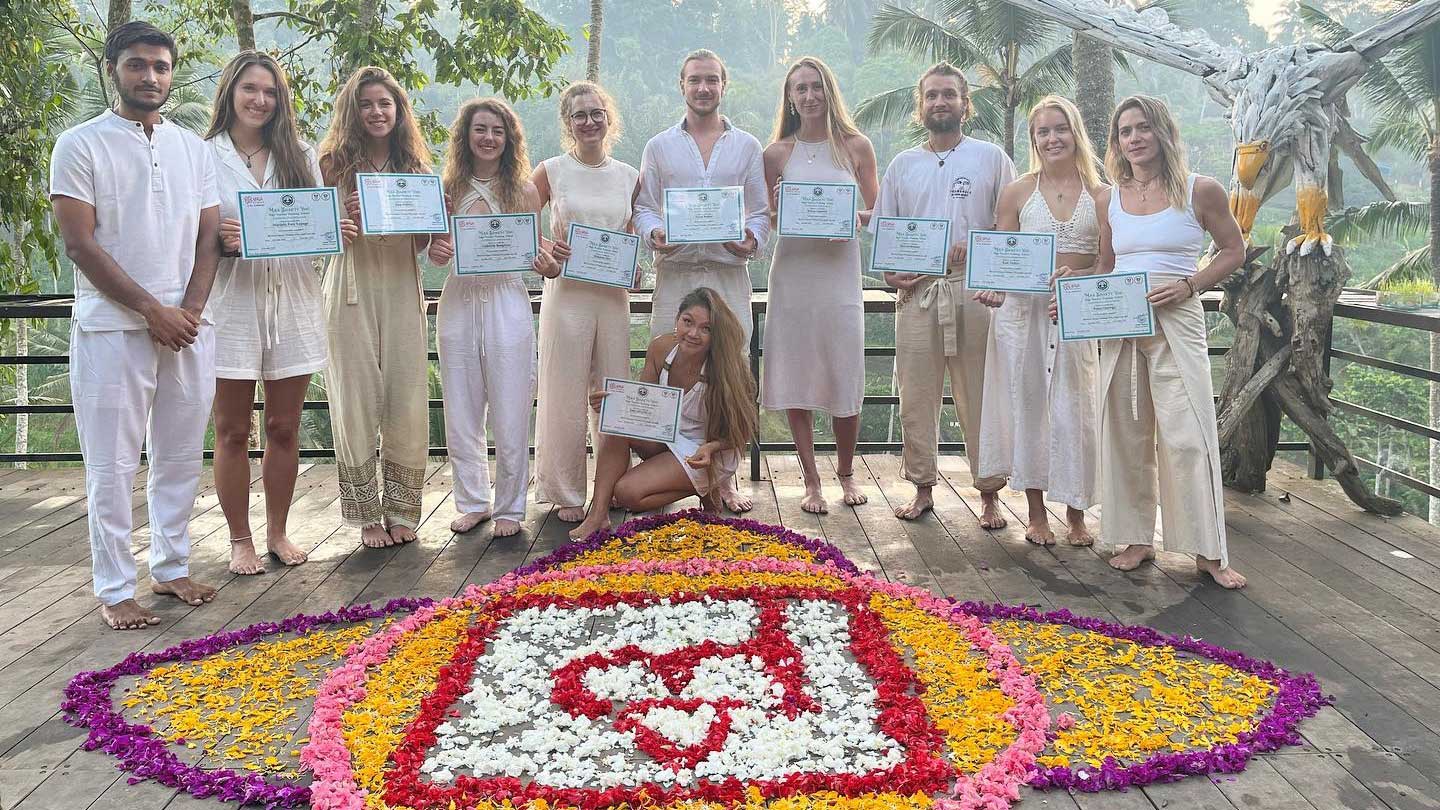
Over the past 15 years at Divine Path Retreat, we've welcomed hundreds of women traveling solo to Goa for yoga. Many arrive nervous. Some have never traveled alone before. A few ask us repeatedly about safety before they even book.
By the end of their stay, nearly all of them tell us the same thing: "I was more worried than I needed to be."
But that worry is real, and it deserves real answers. Not vague reassurances. Not travel blog fluff. Just honest guidance from people who've been doing this for years.
This article shares the exact advice we give our female students when they arrive. These are the tips that come from daily conversations, airport pickups, and feedback we've collected retreat after retreat. If you're considering yoga in Goa as a solo woman, this guide will help you prepare properly.
Not all parts of Goa feel the same for solo female travelers.
North Goa and South Goa have different atmospheres entirely. North Goa tends to be busier, with more nightlife and party culture around areas like Baga and Calangute. South Goa is quieter, more laid-back, with fewer crowds.
Many of our female students tell us they feel more comfortable in the quieter areas. Places like Arambol, Palolem, Agonda, Patnem, and Ashwem have smaller communities. People recognize faces. Shop owners remember you after one visit.
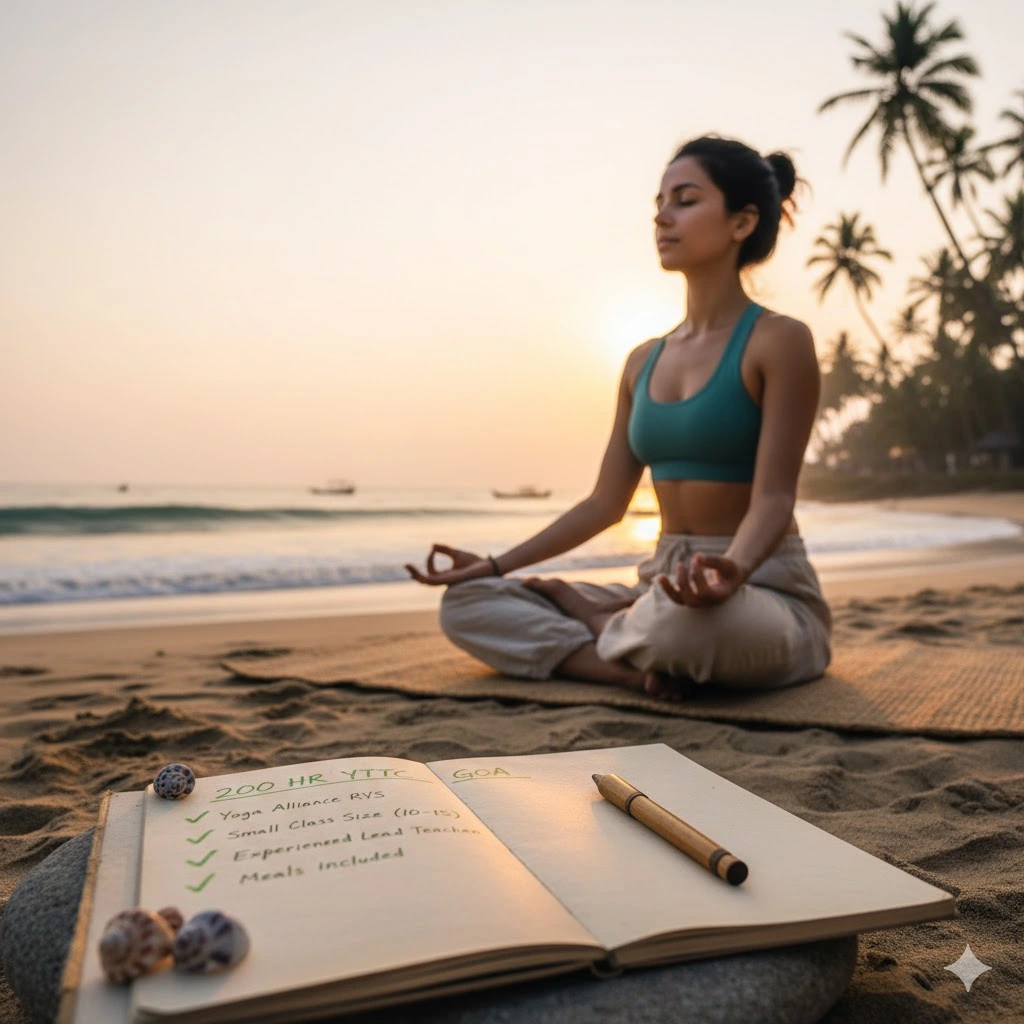
Our retreat is located in an area where yoga and wellness tourism is the norm. The local community is used to solo female travelers. This makes a real difference. You're not an anomaly. You're expected.
When you're choosing where to stay in Goa, think about the vibe you want. If you prefer calm mornings and early nights, avoid the party zones. If you want to be around other wellness-focused travelers, look for retreat areas.
The neighborhood matters more than the accommodation itself.
We hear this often: "Why should I join a retreat instead of just booking a hotel?"
The answer is structure and community.
When you stay at a hotel alone, you're on your own for meals, transport, and planning. You might spend evenings by yourself. You might struggle to meet people. You're figuring out every detail solo.
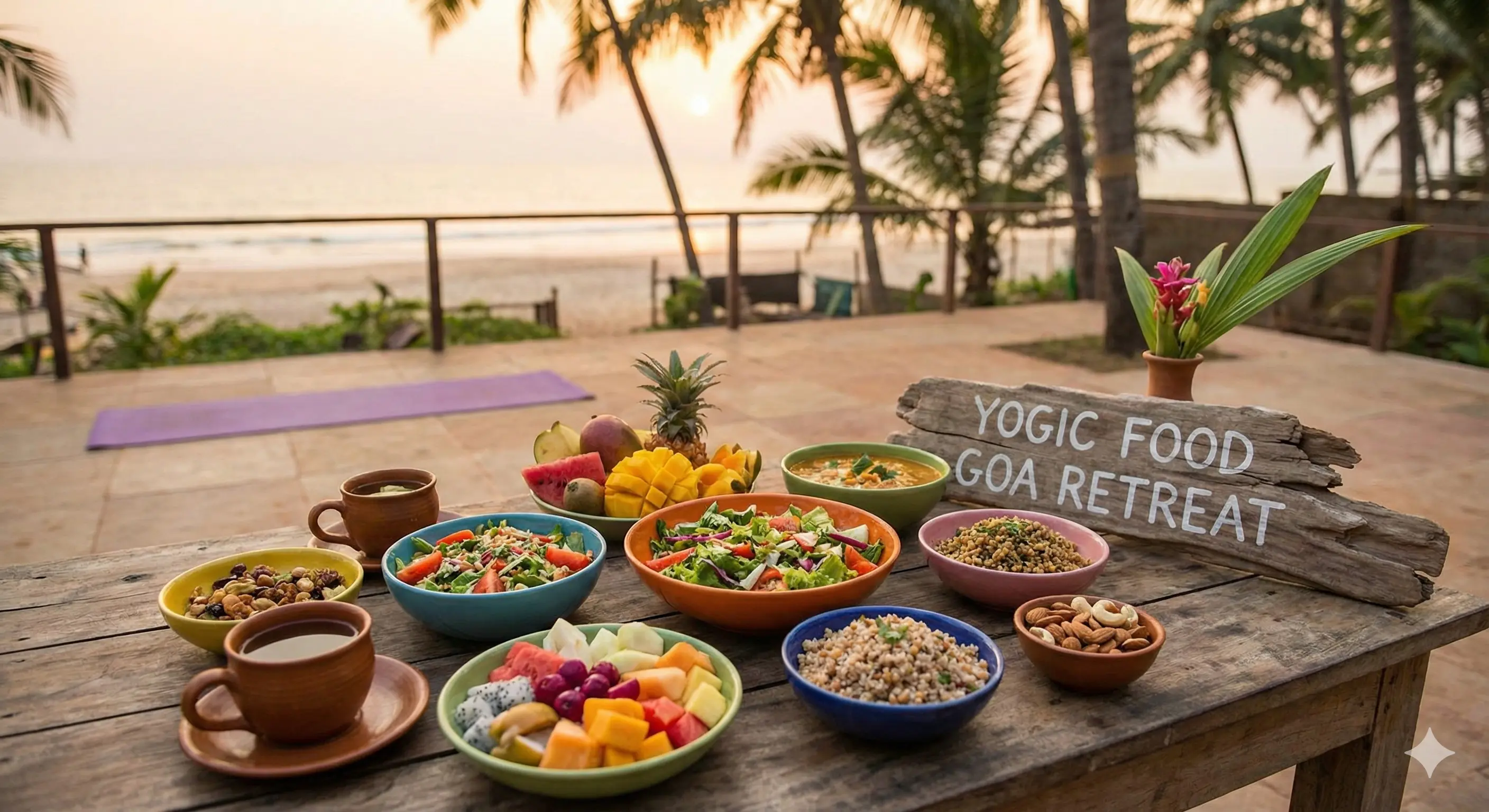
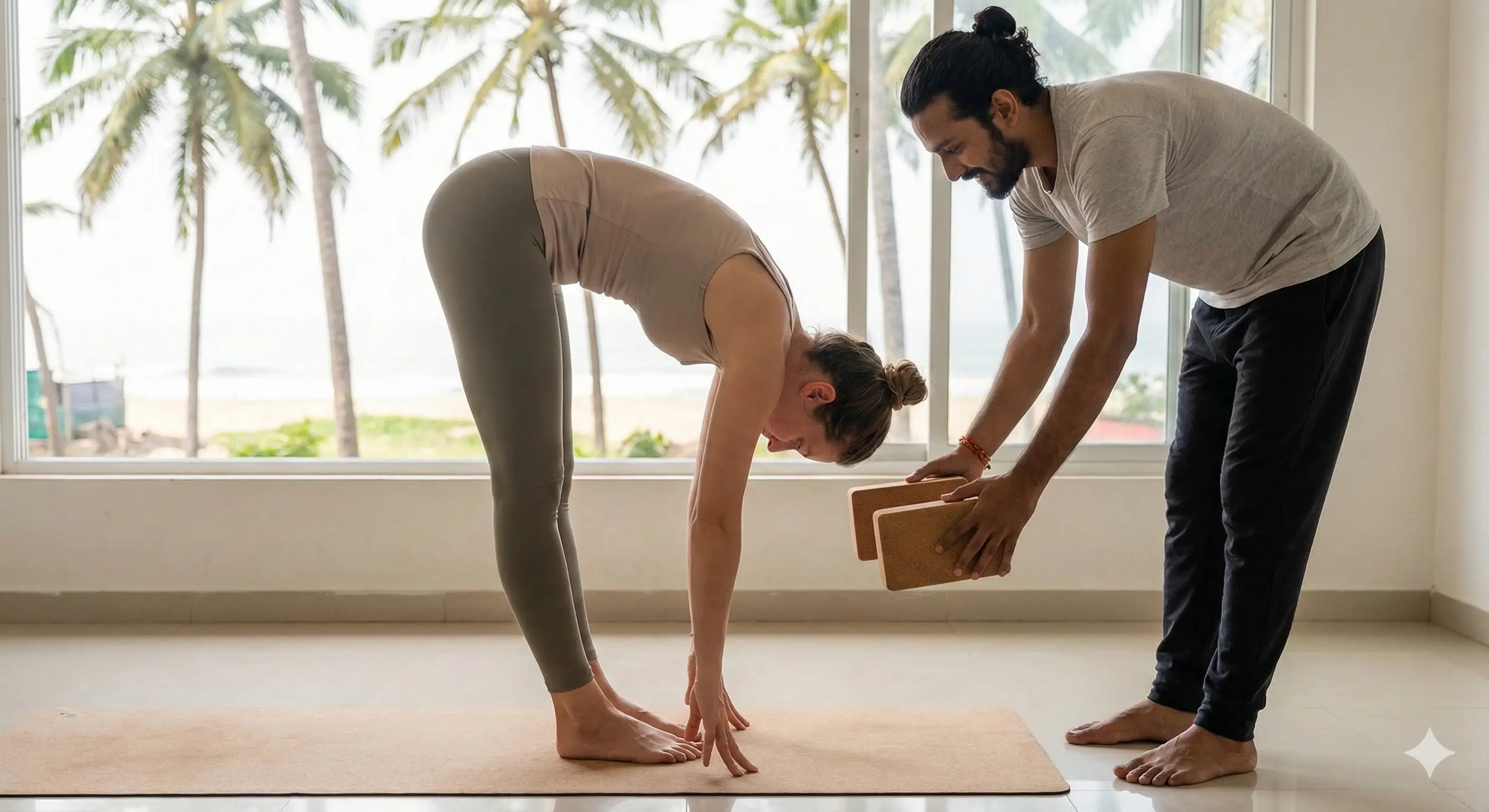
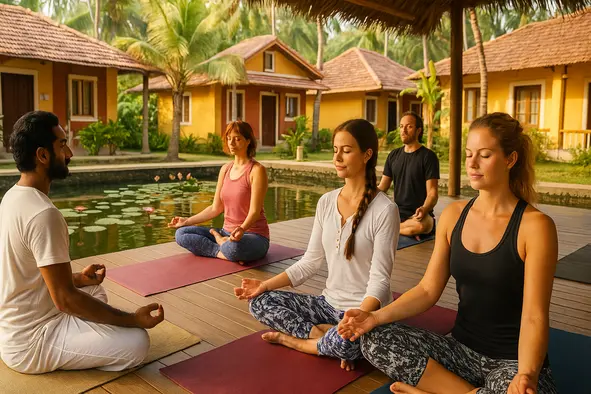
At a retreat, you're part of a group from day one. You know the schedule. Meals are together. Classes are together. There's a built-in social structure that removes the isolation factor.
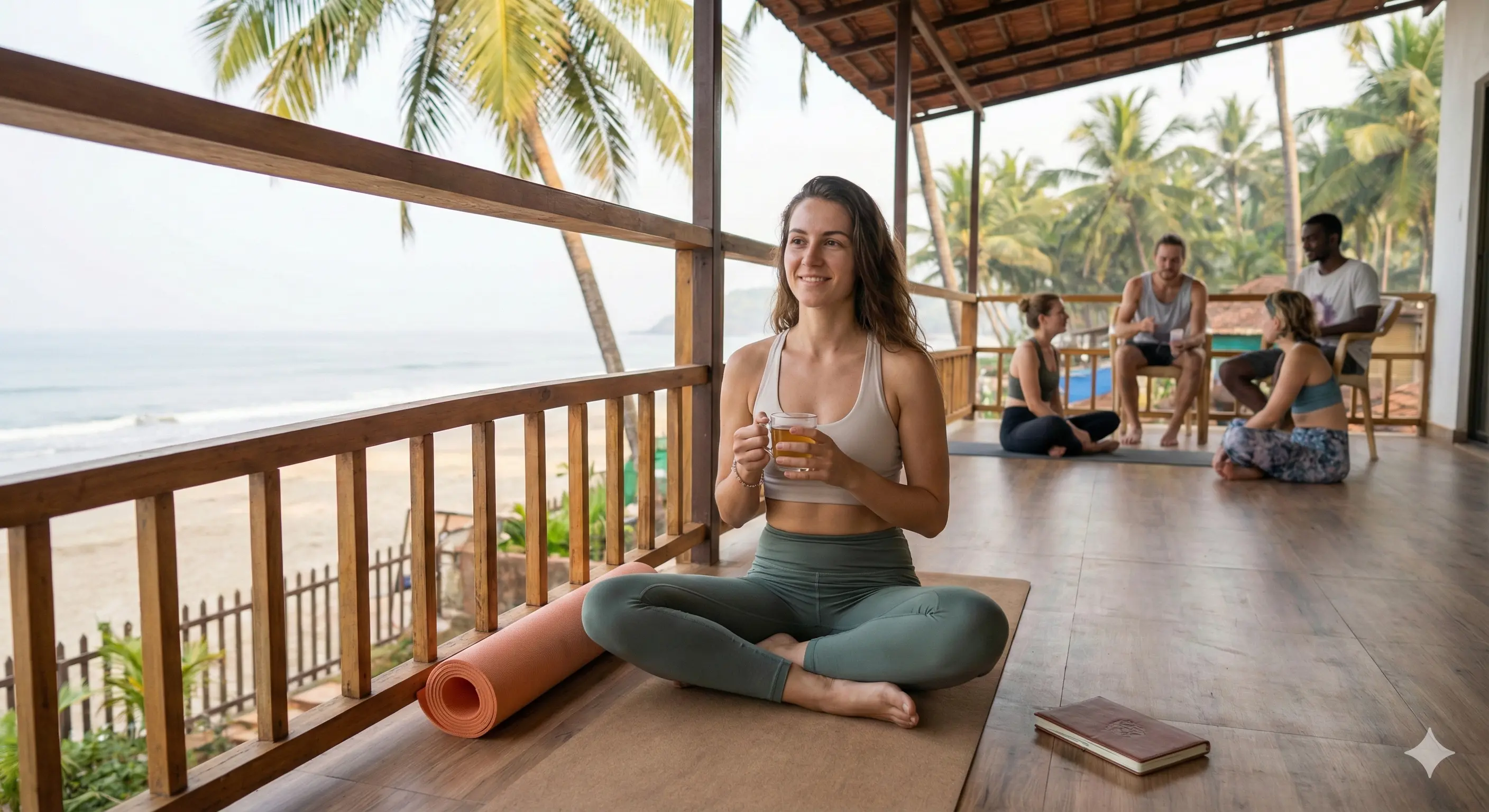
Our female students often say the relief starts the moment they arrive and see other women at breakfast. Suddenly, they're not navigating Goa alone. They're part of something.
There's also the safety of accountability. Our team knows when you're expected at class. We notice if you're not at dinner. If you need help, you're surrounded by people who know your face and your name.
Hotels don't provide that layer of awareness. Retreats do.
Airport pickup is where anxiety peaks for many solo women.
We always offer to arrange airport pickup for our students. Always. Even if you're confident, arriving late at night in an unfamiliar place after a long flight is disorienting.
Here's what we've learned works best:
Many of our students arrive at night. We make sure someone from our team is waiting at the retreat when they arrive, even if it's late. That first welcome matters.
Getting around Goa as a solo woman requires smart choices.
We tell our students: during the day, you have options. After dark, your options narrow.
During daylight, renting a scooter can be convenient if you're comfortable riding. Many women do this. But only if you're experienced. Goa's roads are unpredictable. If you're not confident, don't force it.
For most of our female students, we recommend:
After dark, we strongly encourage women to travel in groups or use known drivers. Our retreat has a list of trusted local drivers we've worked with for years. We share their numbers with students who want to explore outside retreat hours.
If you're taking a taxi alone, sit in the back seat. Keep your phone charged and location sharing on.
These aren't scare tactics. They're practical boundaries that reduce risk.
Women always ask us about clothing. Here's the truth: Goa is more relaxed than most of India. Beachwear is normal at the beach. Tank tops and shorts are common in tourist areas.
But context matters.
At the beach or in a resort setting, you'll see women in bikinis and summer clothes. That's accepted. In local villages, markets, or temples, covering shoulders and knees shows respect and draws less attention.
Our female students find that simple, comfortable clothing works best. Loose cotton pants. Light tunics. Breathable fabrics. Nothing that requires constant adjustment or feels restrictive in the heat.
For yoga classes, wear what you'd wear at any studio. Leggings and a fitted top are fine.
The goal isn't to hide yourself. It's to move through different spaces without unnecessary attention. When you blend in reasonably well, you're more comfortable.
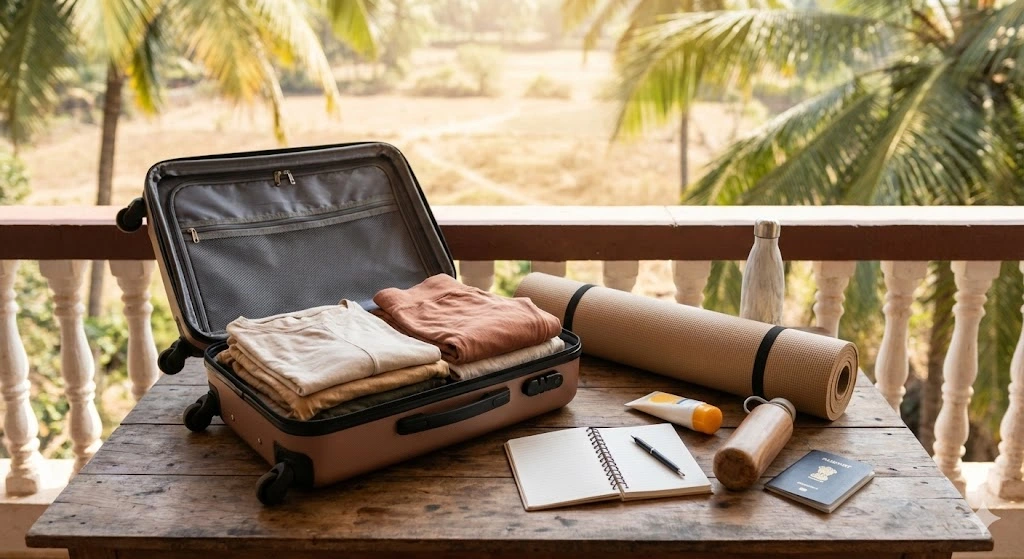
One practical tip we share: bring a light scarf or shawl. It's useful for covering up in temples, blocking sun, or adding a layer in air-conditioned spaces.
Solo female travel safety in Goa changes after the sun goes down.
This is something we emphasize clearly at the retreat. Goa during the day feels open and welcoming. Beaches are full of families. Shops are busy. There's visibility and activity.
After dark, especially on quieter beaches or roads, the atmosphere shifts. There are fewer people around. Lighting can be poor. Your options for help decrease.
We encourage our female students to structure their days front-loaded. Morning yoga. Daytime exploration or beach time. Evening meals at the retreat or nearby restaurants with groups. Return before it's fully dark.
If you do go out at night, go with others. Stay in well-lit, populated areas. Avoid isolated stretches of beach or unlit roads.
Many of our students appreciate that the retreat schedule naturally supports this. Evening sessions end around 7 PM. Dinner is at 7:30 PM. By 9 PM, most people are winding down. There's no pressure to be out late, and there's no FOMO because everyone's on the same schedule.
Structure protects you without feeling restrictive.
Over the years, we've noticed that women often ignore their instincts to be polite.
Someone offers help that feels off. A conversation turns uncomfortable. A situation doesn't feel right, but you stay because you don't want to seem rude.
We tell our students: you are allowed to walk away. You are allowed to say no. You are allowed to leave a situation that makes you uncomfortable, even if you can't explain why.
Your intuition is not paranoia. It's pattern recognition. If something feels wrong, act on that feeling immediately.
This applies everywhere:
You don't owe anyone an explanation. A firm "no thank you" and physical distance are enough.
Many of our female students report that simply knowing they have permission to trust their gut makes them feel more confident traveling.
This might sound small, but it's significant.
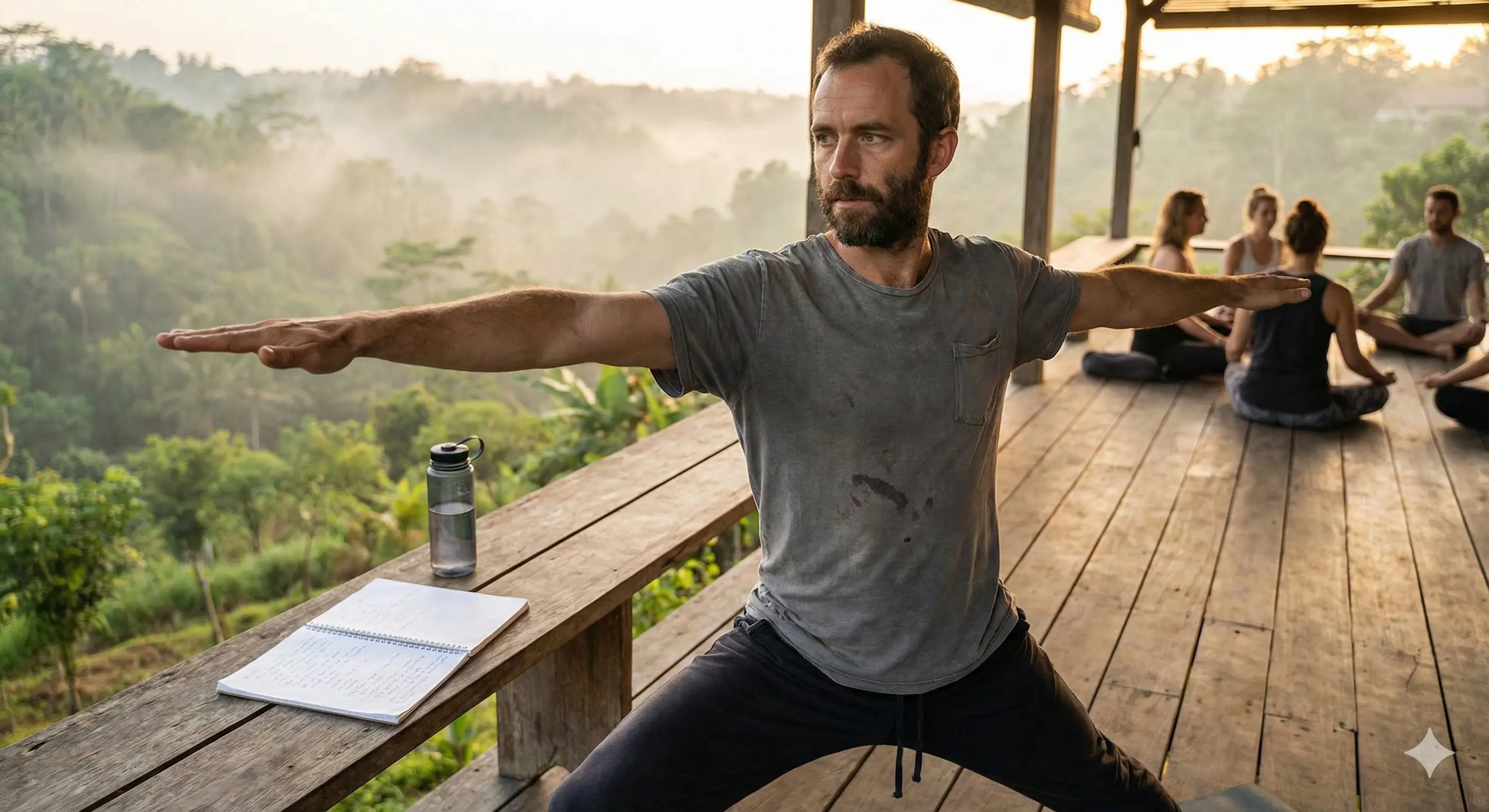
When you have a daily schedule, people expect you places. At our retreat, students attend morning yoga at 7 AM. Breakfast follows. There might be a workshop mid-morning. Lunch is communal. Afternoon sessions or free time. Evening yoga. Dinner together.
This structure means you're accounted for. If you're not at breakfast, someone notices. If you miss a class without mentioning it, we check in. There's a rhythm and awareness.
Solo female travelers without structure can disappear for days before anyone realizes something's wrong. At a retreat, you're part of a daily pattern.
The schedule also removes decision fatigue. You're not constantly figuring out what to do next or where to eat. That mental energy goes toward actually being present and enjoying your experience.
Many women tell us that the schedule is one reason they felt safe enough to relax. They didn't have to be hypervigilant about every choice.
Stay connected. This is non-negotiable.
Get a local SIM card as soon as you arrive. It's inexpensive and makes everything easier. You'll have data for maps, ride apps, and communication.
Share your location with a trusted friend or family member regularly. Not obsessively, but consistently. A quick message each evening: "I'm good, here's where I am."
Save important numbers in your phone before you need them:
Keep your phone charged. Carry a portable charger if you're out exploring.
We also recommend having WhatsApp installed. It's how most communication happens in India. Our retreat uses it to coordinate with students, and local drivers and services use it as well.
Small communication habits create big safety nets.
Solo travel doesn't mean isolated travel.
One of the safest things you can do in Goa is connect with other travelers, especially other women. Our retreats naturally facilitate this, but even if you're not at a retreat, seek out group activities.
Join a group yoga class. Attend a cooking workshop. Go on organized day trips. These activities put you in spaces with other people who have similar interests.
At our retreat, we've watched countless solo female travelers form genuine friendships within days. They explore together. They share taxis. They look out for each other. The community becomes its own safety network.
Even if you're introverted and came to Goa for solitude, balance alone time with some social connection. You don't have to be constantly surrounded by people, but having a few friendly faces you recognize makes an enormous difference.
Many of our students arrive wanting complete solitude and leave with phone numbers of women they now consider friends.
That connection isn't just emotionally fulfilling. It's practically protective.
Goa is generally safe for solo female travelers, especially in wellness and yoga-focused areas. Thousands of women travel here alone every year. The key is awareness, choosing the right location, and having structure. Retreats provide an added layer of safety through community and accountability that hotels don't offer.
South Goa tends to feel safer for solo women due to its quieter, more relaxed atmosphere. Areas like Palolem, Agonda, and Patnem have strong wellness tourism communities. The locals are accustomed to solo female travelers, and the environment is less party-focused than North Goa's busier beaches.
Absolutely. Many of our students are complete beginners, both to yoga and to solo travel. Retreats are actually ideal for beginners because they provide structure, guidance, and community. You're not navigating everything alone, and the schedule removes the stress of constant planning.
Avoid isolated areas after dark, unlicensed taxis, and excessive alcohol consumption when alone. Don't ignore your instincts to be polite, and be cautious about sharing personal details with strangers. Also avoid walking on empty beaches at night or accepting offers from persistent strangers.
Yes, in most cases. Retreats provide built-in community, daily structure, and accountability. You're surrounded by like-minded travelers, and staff know your schedule. Hotels leave you entirely on your own to plan activities, find meals, and navigate safety, which can be isolating and require more vigilance.
We've seen hundreds of women arrive at our retreat nervous and leave wondering why they waited so long to travel solo.
The truth is, solo female travel safety in Goa isn't about eliminating all risk. That's impossible anywhere. It's about being informed, aware, and supported.
When you have the right information, stay in areas that cater to wellness travelers, maintain basic safety practices, and surround yourself with community, Goa becomes not just manageable, but genuinely enjoyable.
The women who thrive here are the ones who balance openness with awareness. They trust people, but verify. They're friendly, but boundaried. They explore, but strategically.
You can be all of those things.
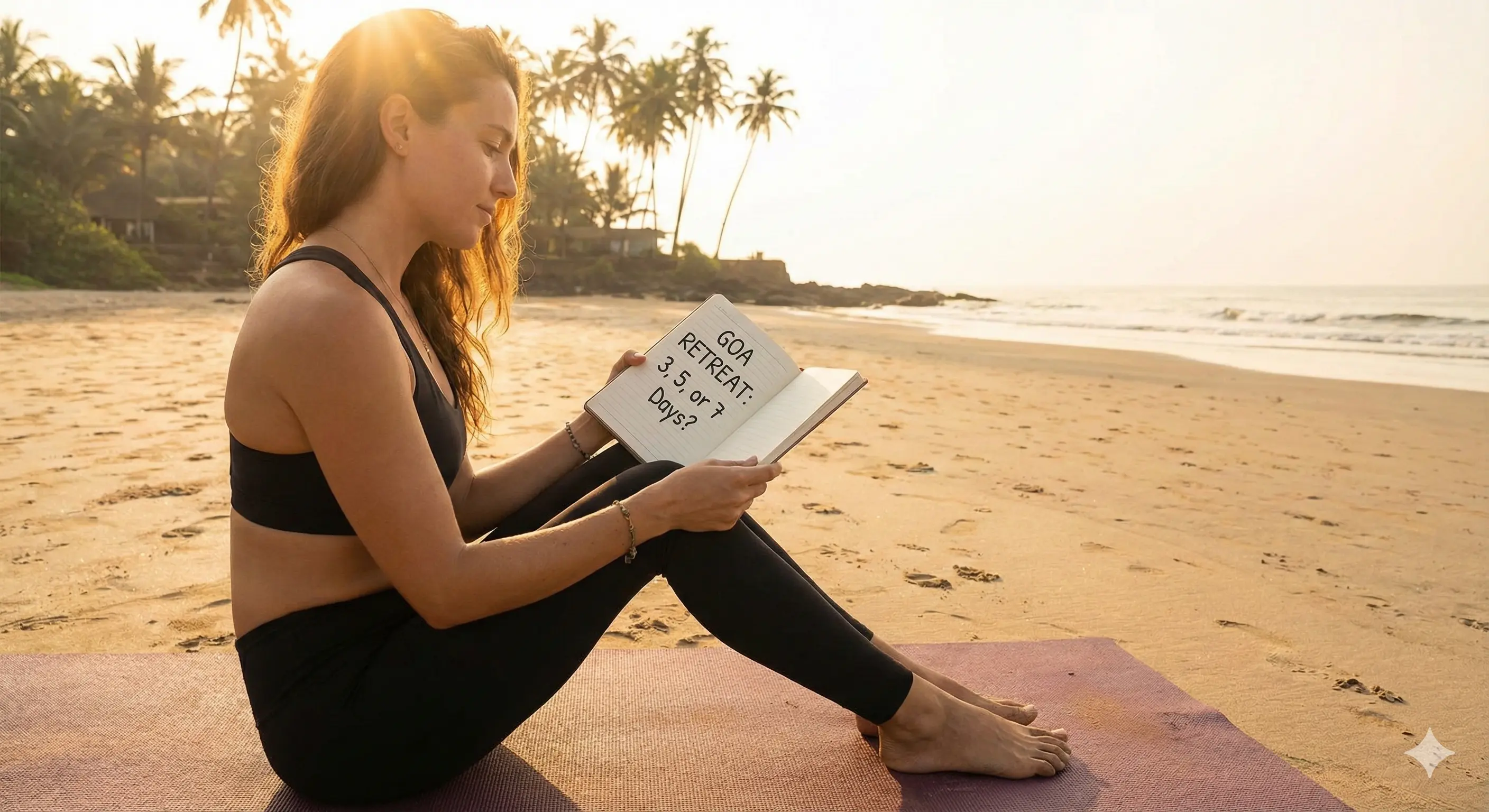
If you want to experience Goa in a way that feels supported, calm, and safe, our 7-Day Goa Yoga Retreat is designed especially with solo women in mind. You'll arrive as an individual and leave as part of a community.
We'll be here when you're ready.
Written by Sunil Ji, E-RYT 500, Lead Teacher & Retreat Coordinator at Divine Path Retreat, Goa, with over 15 years of experience supporting solo female yogis.