Yoga Alliance Registered School

← 200-Hour TTC | 500-Hour TTC →

DivinePath Yoga School & Retreat offers an advanced 300 Hour Yoga Teacher Training in Goa for certified yoga teachers who have completed their 200-hour foundation course. The programme runs for 27 days near Arambol Beach in North Goa, covering advanced Hatha, Ashtanga Vinyasa, pranayama, meditation, anatomy, philosophy, and teaching methodology. The course is Yoga Alliance RYS 300 certified, and includes residential accommodation and three vegetarian meals daily. Prices start from USD 980 for a mixed AC dorm. Monthly batches start on the 1st of every month.

This 300 hour yoga TTC in Goa is designed as a mentorship-based programme — you train alongside our 200-hour batch for shared morning flows and philosophy, then attend exclusive advanced workshops in alignment, sequencing, inversions, and therapeutic anatomy. The extended 27-day duration (vs 21 days for 200hr) gives you the depth and practice time that advanced certification demands. Groups are kept small (10–15 students) to ensure personal guidance from our experienced teachers.

Goa is a well-established location for advanced yoga teacher training in Goa among international students. Our Arambol campus sits ten minutes from the beach, offering a practical balance of focused training and coastal recovery time. Students from the US, UK, Europe, and Australia choose DivinePath for their 300 hour yoga teacher training Goa programme because of our authentic Indian teaching approach, Yoga Alliance alignment, and genuinely small class sizes.

Whether you are looking for a 300 hour YTT in Goa to advance your teaching career, specialise in a particular yoga style, or complete the 500-hour pathway, this programme gives you everything you need. Already completed your 200hr elsewhere? That's fine — we welcome graduates from any Yoga Alliance registered school.

If you need the foundation first, use the ← 200-Hour TTC link above; for the full combined path, explore the 500 Hour YTT.

Need a shorter entry point first? Start with 100 Hour YTT in Goa, or compare all levels on the Goa YTT hub.

300 Hour Yoga Teacher Training in Goa — At a Glance

Duration27 Days (Monthly batches)
PriceFrom USD 980 to USD 1,525
LocationArambol, North Goa, India
CertificationYoga Alliance USA — RYS 300
Yoga StylesHatha, Ashtanga Vinyasa, Pranayama
LevelIntermediate to Advanced
Group SizeSmall groups of 10–15 students
Prerequisite200-Hour YTT Certificate (any school)
LanguageEnglish
Nearest AirportManohar Intl (GOX) — 40 min

Includes: AC accommodation, 3 vegetarian meals daily, course materials, excursions, Wi-Fi, and RYS 300 certificate. View upcoming dates & fees →

300 Hours Yoga TTC

300 Hour YTT Goa — Course Details & Inclusions

Duration: 27 Days
Language: English
Dorm or cottage stay
Satvik Meals
Level: Intermediate
Certification: Yoga Alliance
Style: Multi Style
Excursion
Course Materials
Yoga Asana, philosophy classes
Anatomy, and physiology classes
Pranayama, Ayurveda classes
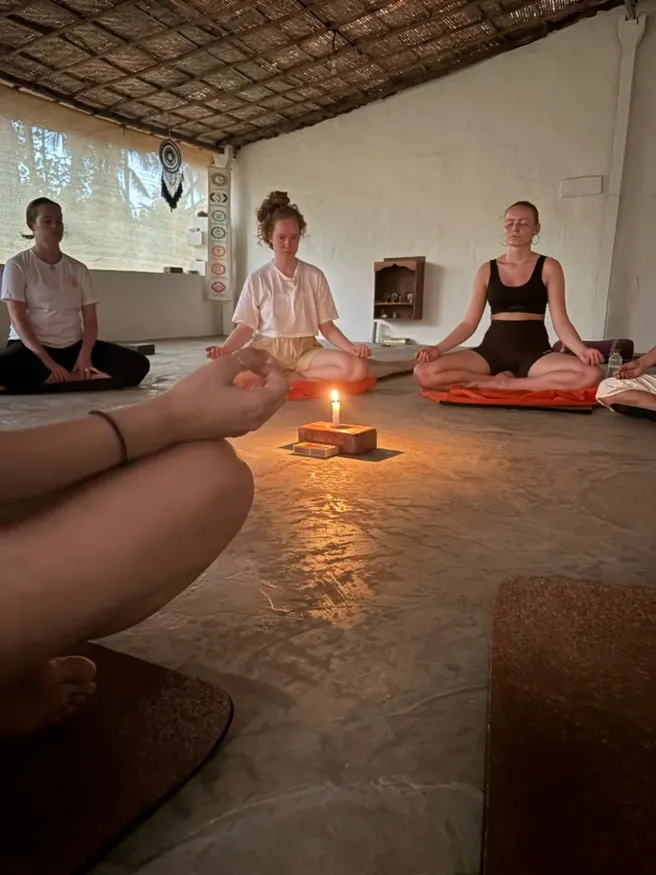
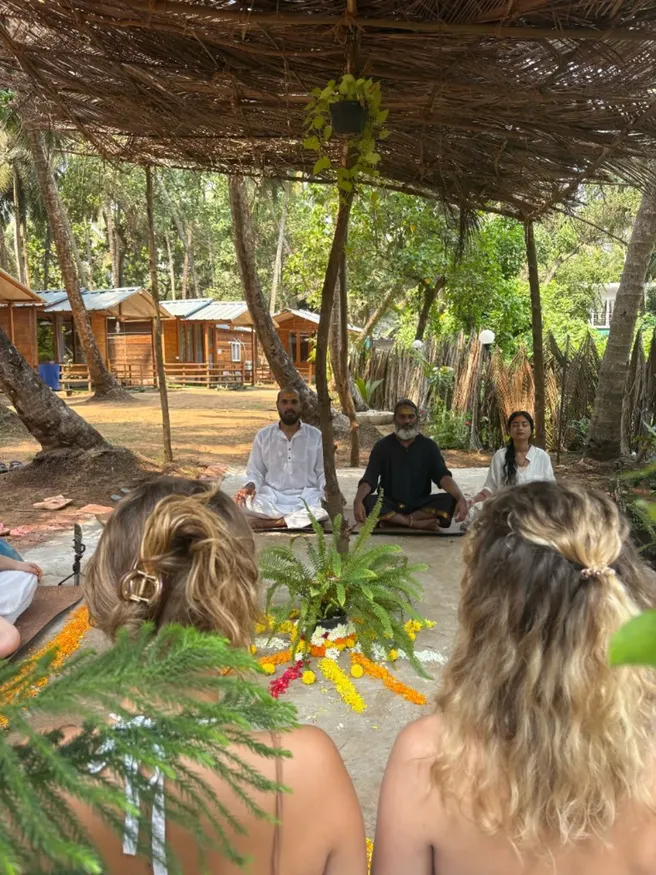
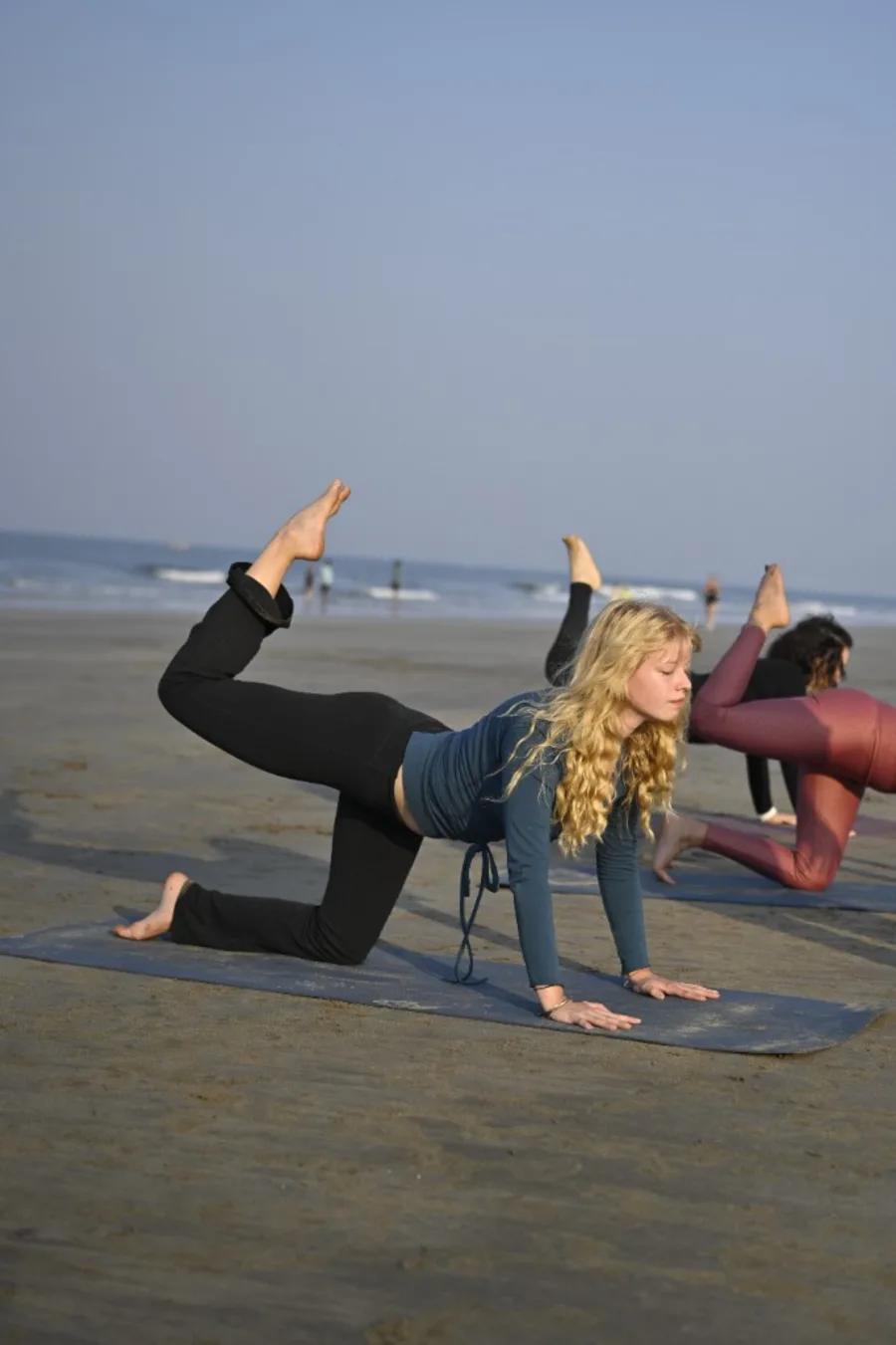
Beach yoga / meditation session
Location: Arambol, Goa, India
Contact: +918868043473
Course Methodology

Integrated Learning: The Mentorship Model

At DivinePath, we believe that a great teacher never stops being a student. Our 300-Hour TTC runs **concurrently with our 200-Hour batch**, creating a dynamic, multi-level learning environment designed to deepen your teaching skills.

You will revisit foundational philosophy and morning flows alongside 200-hour students to **revise and refine** your basics (a crucial skill for teaching). However, your journey extends further with **exclusive advanced workshops, longer duration (27 days), and specialized clinics** strictly for 300-hour trainees.

"You learn the technique in the advanced classes, but you learn how to teach by observing and mentoring the 200-hour group."

300-Hour Curriculum Breakdown

Shared Sessions (Revision)

  • Morning Hatha/ashtanga/Vinyasa Flow
  • Foundational Philosophy (Yoga Sutras)
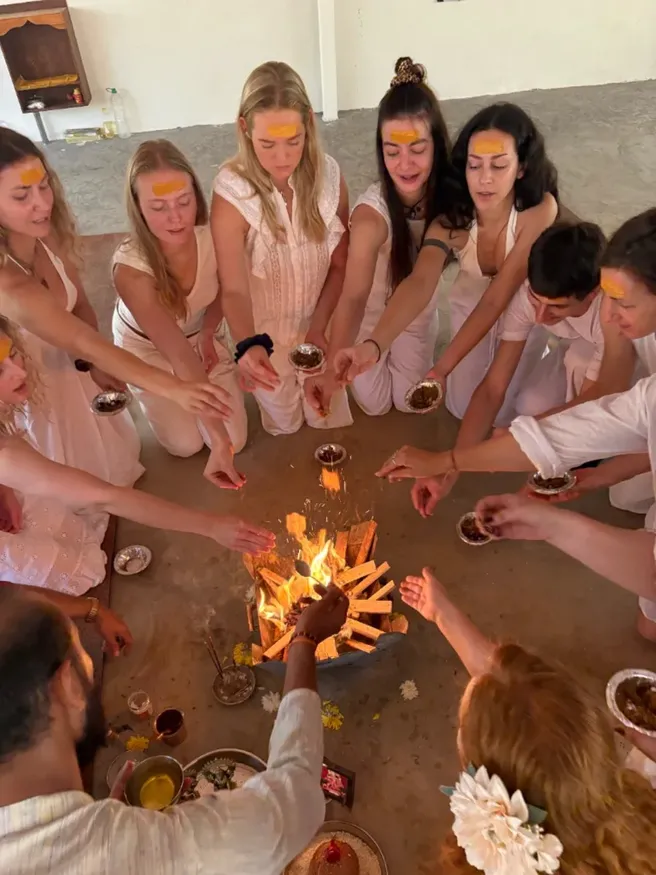
  • Kirtan & Evening Meditation

Exclusive 300-Hour Content

  • Advanced Asana Clinics (Arm balances, inversions)
  • Advanced Anatomy (Therapeutic application)
  • Sequencing & Adjustments Workshops
  • Extended Stay: 27 Days (vs 21 for 200H)
300 Hour Yoga TTC Goa

300 Hour YTT Goa – Course Fee

300 hour yoga Goa upcoming batch calendar
Every Month
Seats Available

TTC Duration:

27 Days

TTC Fee:

USD 1,089

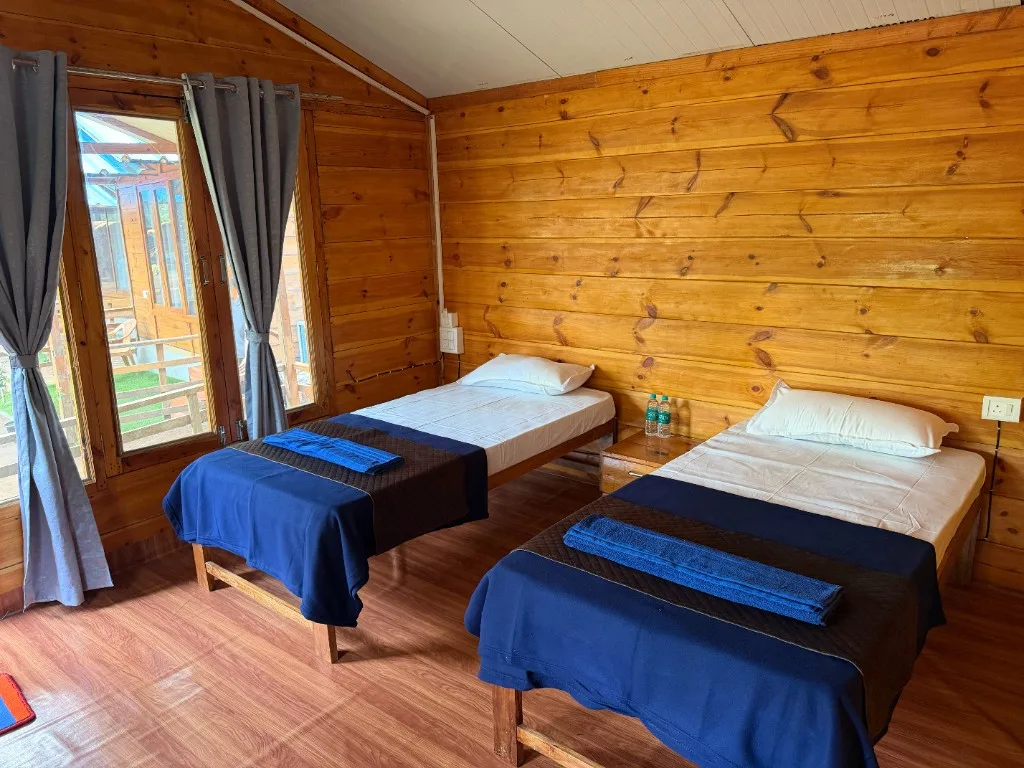
Twin Sharing AC

USD 980

Mixed AC Dorm

USD 1,525

Private Room AC

USD 1,416

Private Room Non-AC

Why students book early: small batches (10-15 students), monthly intake (1st-27th), and airport pickup support for international arrivals.

For a full cost breakdown and tips, see our Yoga Teacher Training Cost guide.


300 Hours Yoga TTC (Goa)

Upcoming Dates & Fees

Secure your spot with a 25% Deposit. All prices are listed in USD.

Admissions support includes visa guidance, airport pickup coordination, and room allocation before arrival.

*Payment gateway processes transactions in USD.

Date Mixed AC Dorm Room Options
(twin / private AC / non-AC)
Booking (25% Deposit)
Jun 1 - Jun 27, 2026
Mixed AC Dorm: $980
Twin Sharing AC: $1,089
Private Room AC: $1,525
Private Room Non-AC: $1,416
Jul 1 - Jul 27, 2026
Mixed AC Dorm: $980
Twin Sharing AC: $1,089
Private Room AC: $1,525
Private Room Non-AC: $1,416
Aug 1 - Aug 27, 2026
Mixed AC Dorm: $980
Twin Sharing AC: $1,089
Private Room AC: $1,525
Private Room Non-AC: $1,416
Sep 1 - Sep 27, 2026
Mixed AC Dorm: $980
Twin Sharing AC: $1,089
Private Room AC: $1,525
Private Room Non-AC: $1,416
Oct 1 - Oct 27, 2026
Mixed AC Dorm: $980
Twin Sharing AC: $1,089
Private Room AC: $1,525
Private Room Non-AC: $1,416
Nov 1 - Nov 27, 2026
Mixed AC Dorm: $980
Twin Sharing AC: $1,089
Private Room AC: $1,525
Private Room Non-AC: $1,416
Dec 1 - Dec 27, 2026
Mixed AC Dorm: $980
Twin Sharing AC: $1,089
Private Room AC: $1,525
Private Room Non-AC: $1,416
Jan 1 - Jan 27, 2027
Mixed AC Dorm: $980
Twin Sharing AC: $1,089
Private Room AC: $1,525
Private Room Non-AC: $1,416
Feb 1 - Feb 21, 2027
Mixed AC Dorm: $980
Twin Sharing AC: $1,089
Private Room AC: $1,525
Private Room Non-AC: $1,416
Mar 1 - Mar 27, 2027
Mixed AC Dorm: $980
Twin Sharing AC: $1,089
Private Room AC: $1,525
Private Room Non-AC: $1,416
Apr 1 - Apr 27, 2027
Mixed AC Dorm: $980
Twin Sharing AC: $1,089
Private Room AC: $1,525
Private Room Non-AC: $1,416
May 1 - Apr 27, 2027
Mixed AC Dorm: $980
Twin Sharing AC: $1,089
Private Room AC: $1,525
Private Room Non-AC: $1,416
Booking Process

How to Book Your 300 Hour Yoga Teacher Training in Goa

  1. Booking Deposit: To confirm your seat, you need to pay 25% of the course fee in advance via international bank transfer.
  2. Confirmation Letter: Once we receive the transfer, we will send you an official confirmation letter. Your seat will be reserved then.
  3. Remaining Balance: The remaining 75% must be paid on the first day of the course at the school.
  4. Refund Policy: The booking deposit and fees are non-refundable. In documented medical emergencies, students may request one-time batch rescheduling, subject to approval and seat availability.

💳 Card & PayPal support coming soon – currently we accept only international bank transfers.

You send us a WhatsApp message. We will reply fast, confirm your seat, and help with rooms and airport pickup. You can pay a small booking amount to hold your spot.
Chat with us on WhatsApp.

300 Hours Yoga TTC

Detailed Syllabus & Daily Schedule — 300 Hour Yoga TTC in Goa

Every 300 hour yoga teacher training Goa batch follows the same structured timetable below, adjusted based on the season and group dynamics. The advanced curriculum builds upon your 200-hour foundation with deeper practice, longer sessions, and exclusive workshops.

Daily Schedule

07:00 to 08:00 am

Pranayama, Shatkarma, Chanting


08:00 to 08:15 am

Tea / coffee break


08:15 to 09:30 am

Asana


09:30 to 10:45 am

Breakfast


11:00 am to 12:30 pm

Anatomy / philosophy / Ayurveda


12:30 to 01:30 pm

Adjustment & alignment


01:30 to 02:30 pm

Lunch


02:30 to 04:00 pm

Self-time / rest / karma yoga


04:00 to 05:30 pm

Teaching practices


05:30 to 07:00 pm

Meditation / beach practice games


07:00 to 08:00 pm

Dinner


08:00 to 10:00 pm

Outing / Kirtan / Goa experience


10:00 pm

Lights out

300-Hour Yoga Teacher Training — Curriculum Highlights


Asana sessions on this 300-hour course in Goa give real depth to the Ashtanga primary series: same order each day, clear pacing, and space to grow into the full sequence when your body is ready. We keep breath, bandhas, and drishti in the foreground so practice stays inward and steady—not a race.

Alongside that, we work Hatha in a grounded way: postures, simple cleansing habits on retreat, and how a strong physical base supports teaching. You pick up Sanskrit names as you go, which helps when you cue mixed groups of Indian and international students.

For more on the primary series line, see our Ashtanga asana guide (written for beginners but useful as a refresher).

Pranayama here means working with breath on purpose—turning something automatic into something you can lead in class and use off the mat. In Goa’s heat, we also talk about pacing, hydration, and when a softer breath is the right call.

Techniques we cover include:

  • Nadi Shodhana (alternate nostril)
  • Ujjayi
  • Kapalbhati
  • Bhastrika
  • Bhramari
  • Sheetali and Shitkari

You learn how each one feels in your own body first, then how to introduce them safely to others.

We treat mantra as sound and intention you can stand behind as a teacher—clear pronunciation, steady rhythm, and knowing why you are chanting, not just repeating syllables because a playlist says so.

  • Opening and closing chants we use in the Arambol shala
  • Mantras for steadiness and wellbeing (classical shanti work)
  • Ganesha and “removing obstacles” in the traditional sense—inner habits, not superstition
  • Seed (bija) sounds and how they fit into practice

The aim is that you can lead chant without awkwardness and explain it simply to students who are new to Indian context.

Philosophy blocks connect the Yoga Sutra and daily practice: what yoga meant in India long before social media, and what still holds when you are leading real classes.

  • Kleshas — the five patterns that pull attention off track
  • Koshas — layers of experience (body, breath, mind, and beyond)
  • Eight limbs — yama, niyama, asana, pranayama, pratyahara, dharana, dhyana, samadhi

We also map major paths—karma, bhakti, raja, and kundalini as it is classically discussed—so you are not mixing labels when students ask after class.

Short outings around North Goa sometimes tie history to place: temples, local rhythm of life, and how yoga sits inside Indian culture today.

  • Entering and exiting postures without jerking the spine
  • Holding poses with clear landmarks students can copy
  • Teaching alignment with words before hands
  • Hands-on adjustments only when appropriate, with consent
  • Contraindications and sensible modifications for common injuries

By the end you should feel steadier guiding mixed-level rooms—something you will definitely see on a busy season in Goa.

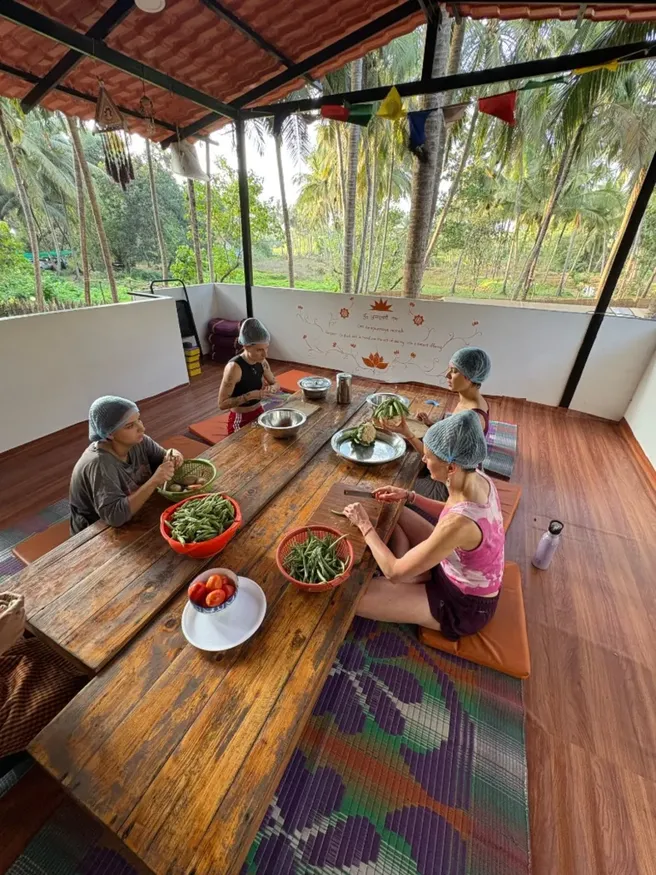
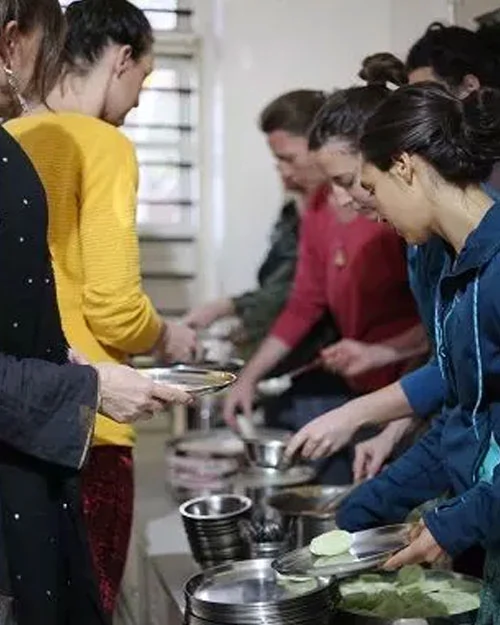
Karma yoga on this training is not abstract. The kitchen, common areas, and garden only stay pleasant if everyone chips in—so we fold small tasks into the day and treat them as practice, not punishment.

  • Doing your share without keeping score
  • Staying present in simple jobs (tidying, washing up, helping set the hall)
  • Letting go of perfectionism about “results”

Methodology is where “I love yoga” turns into “I can actually hold a room.” We look at how a 300-hour graduate teaches in India and abroad—timings, language level, and how to keep a class kind but structured.

  • Bringing yogic discipline into normal life without sounding preachy
  • Preparing the space: mats, props, music (or silence), and safety
  • Voice, pacing, and demos that people at the back can still see
  • Clear cues, sensible sequencing, and when to stop talking

You are not expected to become a Sanskrit scholar in four weeks, but you should know where the big ideas come from.

  • Patanjali’s Yoga Sutra — mind, ethics, and the path of practice
  • Hatha Yoga Pradipika — what “classical hatha” actually discusses
  • Bhagavad Gita — duty, devotion, and meditation in plain language

We read short passages together and talk about how they land for modern students—tourists in Goa, long-term practitioners, and everyone in between.

You work through about twelve mudras—hand positions used to steer attention and breath in seated practice and meditation. The focus is what each gesture changes in your own felt sense first, then how to describe that simply to a class.

Anatomy on a hot-weather intensive matters: we look at how heat and long practice days show up in the nervous system, digestion, and muscles you cue every hour.

  • Digestive, respiratory, endocrine, immune, and muscular systems—what a teacher actually needs to recognise
  • The spine and major joints in plain language, with injury-aware language for adjustments
  • Why classical texts talk about cleansing (kriya / shatkarma) before intense pranayama
  • At least two kriyas studied and practised under supervision, with clear contraindications

Meditation is taught as something you can repeat after you leave India—short sits, steady eyes, and sound when the mind is scattered.

  • Four distinct techniques you practise, not just hear about once
  • Silent sitting and breath as anchor
  • Tratak (focused gaze) for concentration
  • Sound-based relaxation where useful
  • Third-eye–oriented practice framed safely, without hype
Your Advanced Journey

From Enrollment to Mastery: What to Expect

The 300-Hour TTC is a deep dive. At DivinePath, we curate a mentorship-based experience, adapting the advanced curriculum to fit the unique strengths of every cohort. Here is how your path unfolds.

1

Secure Spot & Senior Teacher Consultation

Once you secure your spot, our **Senior Lead Teacher will personally contact you**. Since this is an advanced course, this 1-on-1 call is vital.

  • We discuss your previous 200-hour experience.
  • We identify specific areas you want to master (Alignment, Anatomy, Philosophy).
2

Warm Welcome & Check-In

We arrange a reliable taxi to pick you up from **Manohar Intl (GOX)** or **Dabolim (GOI)**. Upon arrival at our Arambol campus, a management member will personally receive you, help you settle into your cottage or room, and ensure you have everything needed for your 27-day stay.

3

The "Sankalpa" Dinner & Advanced Flow

On Day 1 evening, we gather for a special **Welcome Dinner**. This isn't just an introduction; it's a "Sankalpa" (Intention Setting) session. Our teachers gauge the collective energy to fine-tune the advanced workshops and intensity levels for the month.

4

Nourishment & Zero-Waste Policy

To support your intense practice, we provide **3 nutritious Satvik vegetarian meals every day for the full 27 days** (including weekends).

Eco-Conscious Dining:
If you plan to dine out at a local Goa café on a Sunday, please **inform the kitchen 24 hours in advance**. This small act helps us maintain a zero-waste kitchen, respecting both the food and the environment.
5

Deep Immersion & Excursions

The 300-hour course goes beyond physical asanas. Depending on the group's needs, we integrate healing and community-building sessions:

Sound Healing

Beach Yoga

Ecstatic Dance

Pool Yoga

6

Weekends & The Finale

Saturdays: Intensive morning practice followed by a half-day off.
Sundays: Full rest day for self-study or exploring North Goa.
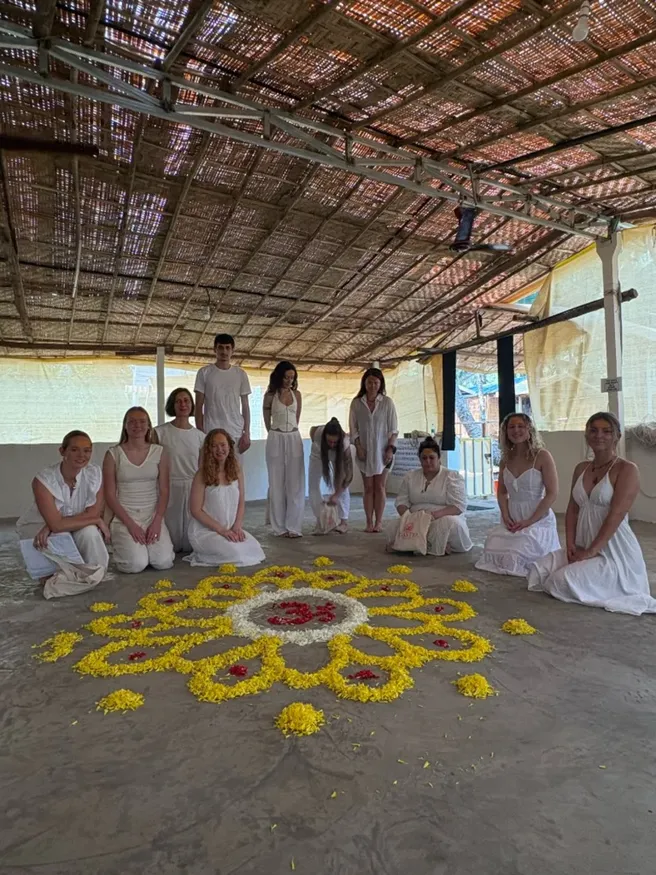
The Finale: On the last day, we celebrate your transformation with a group excursion and a certification ceremony.

Travel Plan

Travel & Logistics

Traveling to India for your yoga course can feel big, but we make it simple. Our school is safe for solo travellers. Staff live on site and are available to help you. The school is close to Arambol Beach, so you can enjoy calm sea breezes between classes.

Visa for International Students

Most students need a tourist e-visa to enter India. You can apply online before you fly. Make sure your passport is valid for at least six months. If you need help with the visa steps, we will guide you.

Nearest Airports

There are two main airports you can use to reach Arambol:

  • Mopa International Airport (GOX) – about 40 minutes from Arambol.
  • Dabolim Airport (GOI) – about 2 hours from Arambol.

We can arrange an airport pickup so you arrive relaxed and safe. Contact us to book pickup.

How to Reach Arambol

The easiest way is a taxi from the airport. Buses and trains are also possible, but taxis are faster and more comfortable, especially with luggage.

What to Bring

Pack light and bring the things you use every day. Useful items include:

  • Light, comfy yoga clothes
  • A reusable water bottle
  • Sandals or flip-flops
  • Sunscreen and mosquito repellent
  • A light sweater for cool evenings
  • Personal toiletries

We provide yoga mats and study materials, so no need to bring those.

Health & Safety Tips

Goa is friendly, but a few small tips help:

  • Drink bottled or filtered water
  • Keep some cash for small shops
  • Respect local culture and dress modestly when outside the school
  • Take care of your belongings

If you want us to arrange airport pickup or help with travel plans, please contact us.

300 Hours Yoga TTC

Final Checklist

  • Nearest Airport: Fly into Manohar Intl (GOX) /Dabolim Goa Intl (GOI), which is 40-minute drive from Manohar Intl (GOX) and 1 hour 45 min drive from Dabolim Goa Intl (GOI) to our yoga school.
  • Visa Assistance: Once you confirm your booking, we provide an official invitation letter to support students for visa application. Most students choose the India e-Visa, as it is the easiest and most preferred option to apply online.
  • Airport Pickup: We offer a reliable airport pickup service from Manohar International Airport,GOA (GOX) for $40 USD and $50 USD from Dabolim Goa Intl (GOI). A team member will meet you at the terminal and bring you directly to the yoga school. Many international students choose this option for a smooth arrival.
  • Accommodation & Meals: Comfortable rooms and healthy vegetarian meals are provided throughout your stay, so you can focus on your practice without stress.

Whether you are coming from the US, UK, Europe, or anywhere in the world, we’re here to ensure you feel safe, supported, and cared for from the moment you land in Goa. Our campus is safe for solo travelers. In Goa we offer a dorm, shared cottages, and private cottages close to Arambol Beach.

Peaceful

Accommodation for 300 Hour YTT in Goa

Joining a 300 Hours Yoga Teacher Training in Goa has many benefits. Goa is popular for its serene beaches and beautiful culture, while DivinePath Yoga School & Retreat is known for top-notch Yoga programs. You can choose your accommodation from a mixed AC dorm (USD 980), twin sharing AC (USD 1,089), private room non-AC (USD 1,416), or private room AC (USD 1,525).

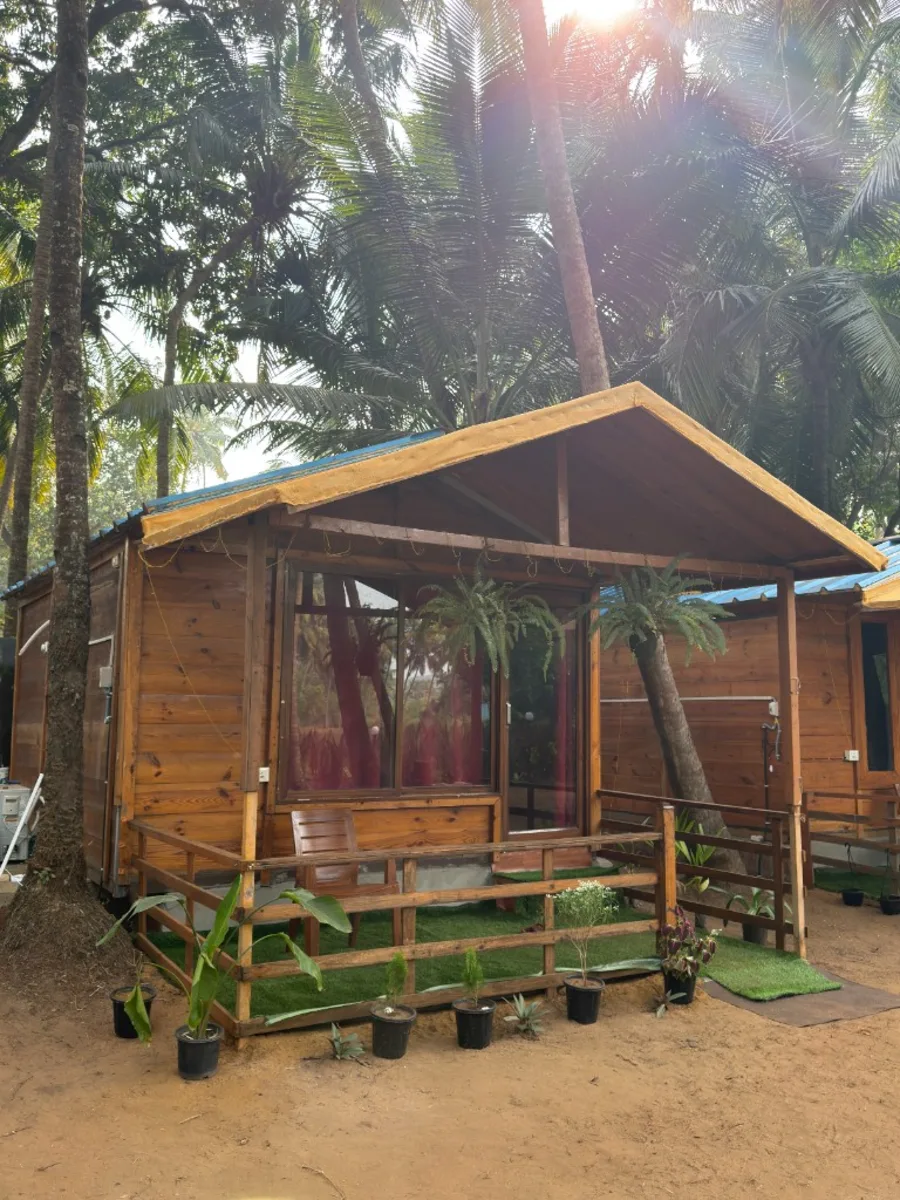
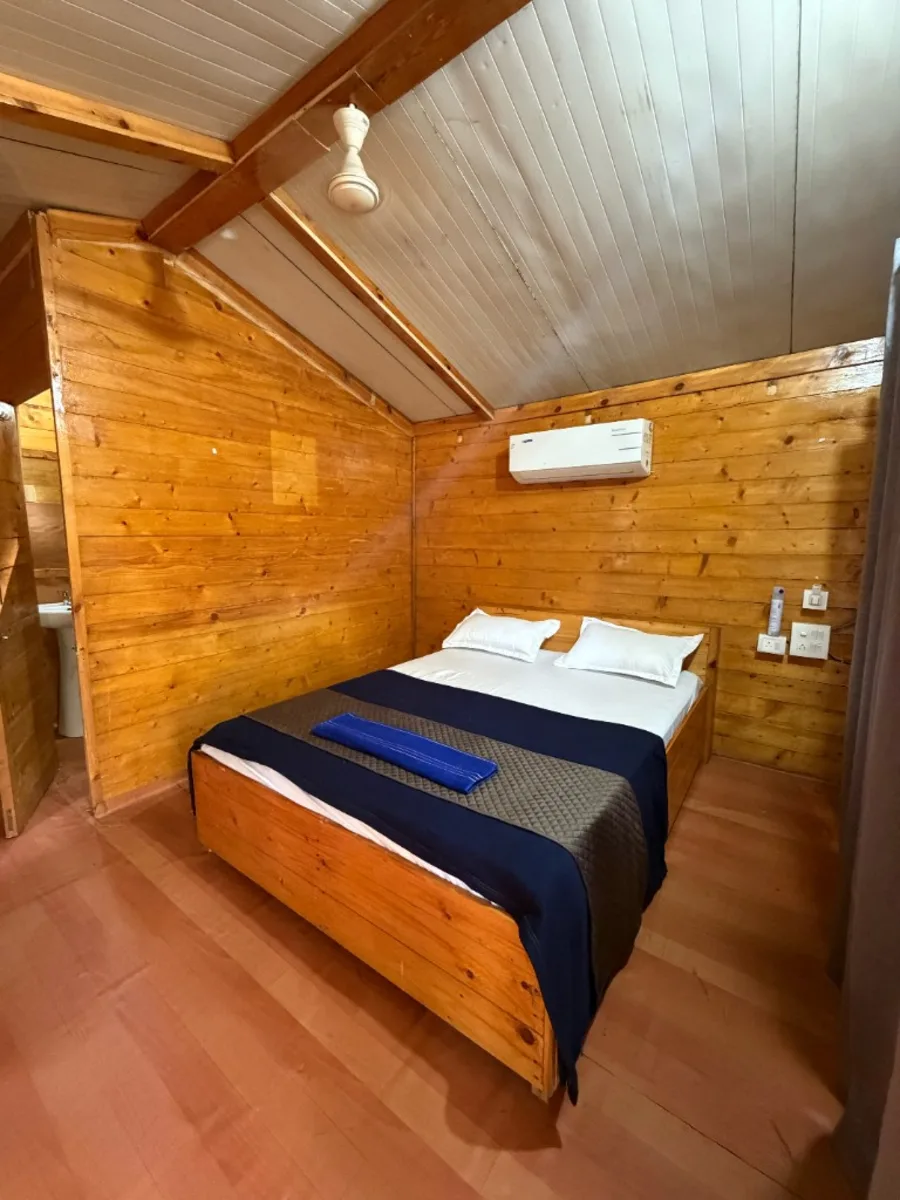
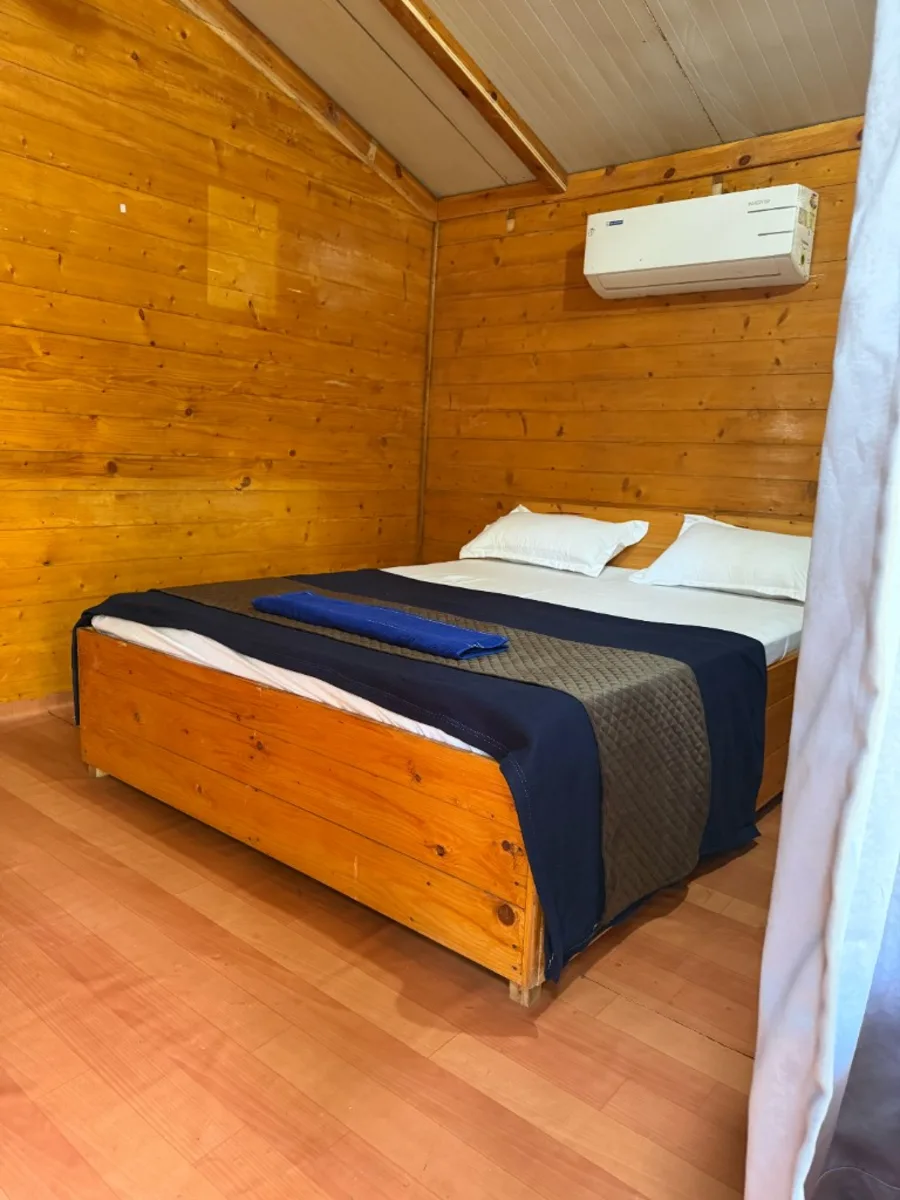
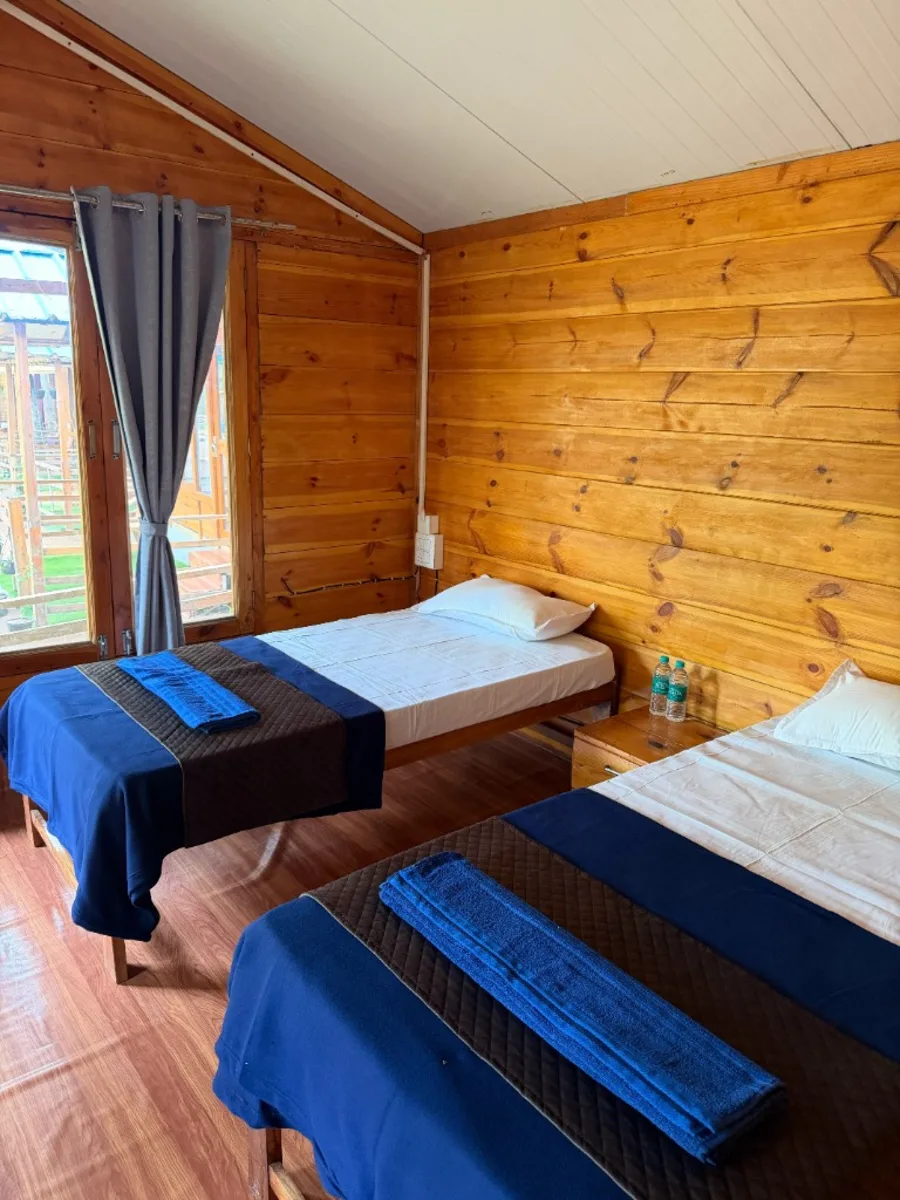
Each space at our institute is designed to promote peace and simplicity. Cottages include amenities such as cozy beds, wi-fi access, hot water, and access to a common room. We have curated each space to provide a serene and comfortable living area where you can rest, relax, and rejuvenate after a long day.

Explore the lush green environment and nearby beaches after your yoga sessions, then return to your accommodation for rest and integration. Whether you are looking for Hatha-focused training in Goa or a broader advanced curriculum, DivinePath Yoga School & Retreat offers a balanced mix of comfort and simplicity for steady progress.

Your Home in Goa

Serene Accommodation Options

Choose a shared or private wooden cottage, or a simple dorm bed — all on the same campus with the same spiritual atmosphere, safety, and access to the yoga shala.

Most Popular

Luxury Wooden Cottages

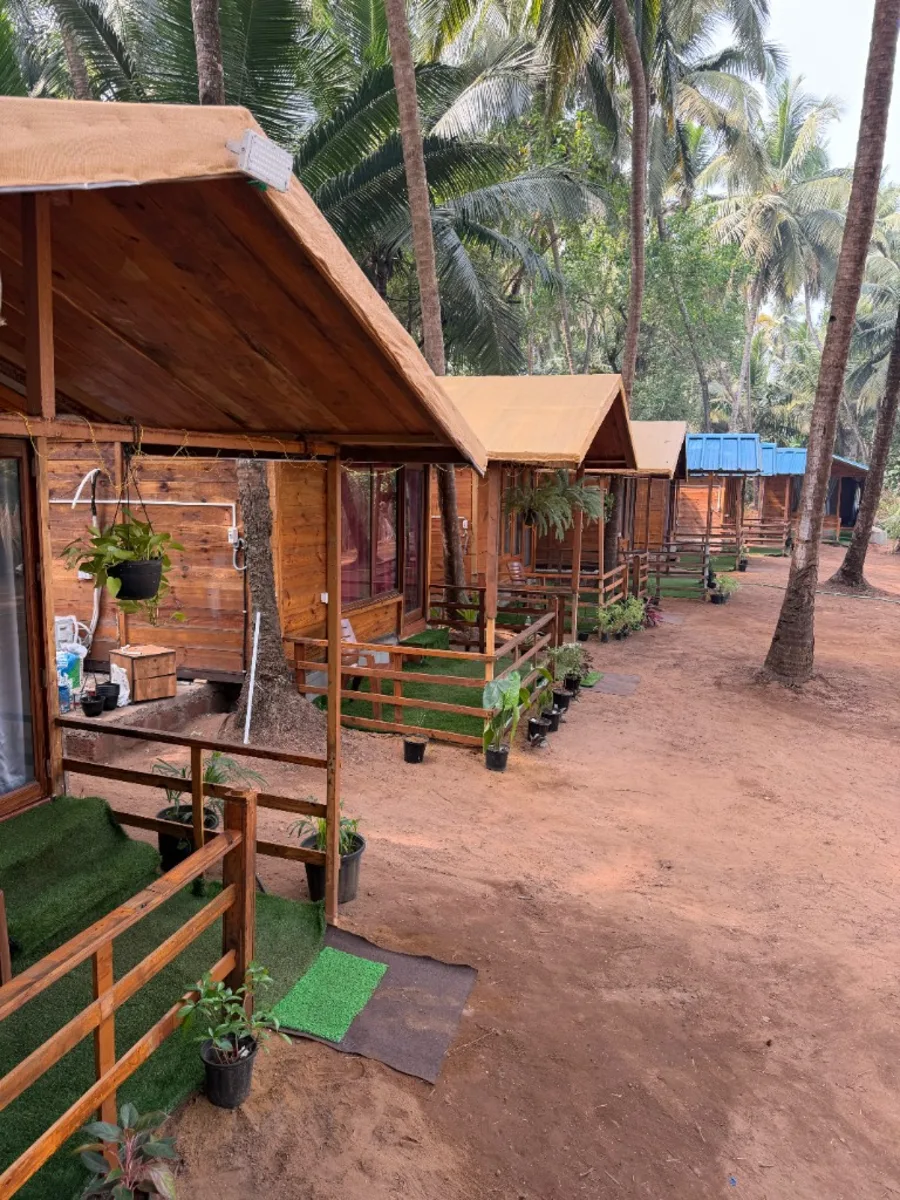
Our wooden cottages sit right in the middle of nature—perfect when you need a quiet place to focus on your training. They're simple, comfortable, and far enough from everything else to actually help you think clearly. Whether you're here to work hard or just need a break, you'll have the space to do it right.

  • View: Direct Swimming Pool & Garden View
  • Style: Aesthetic Wooden Cottage Structure
  • Ambience: Private Veranda for relaxation
  • Climate: Air-Conditioned (AC)
Economical

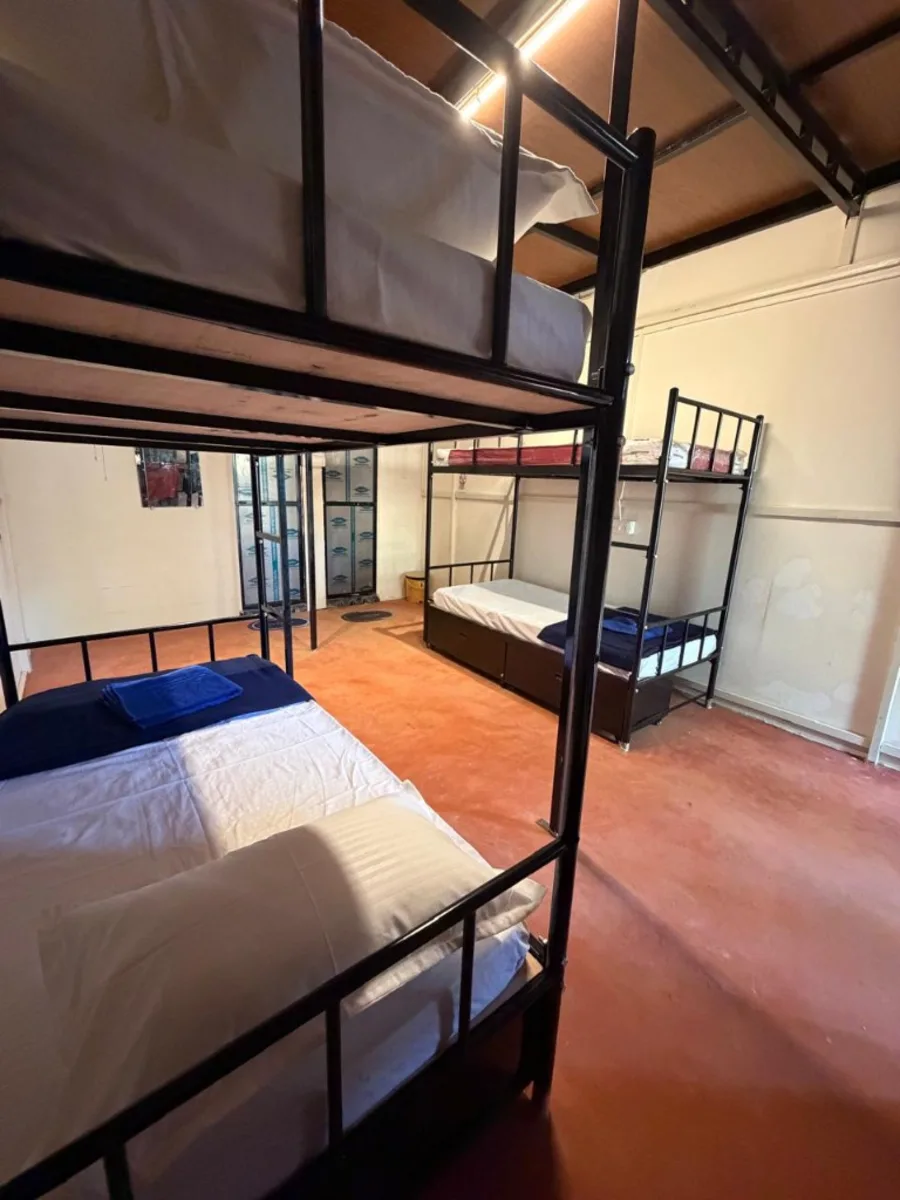
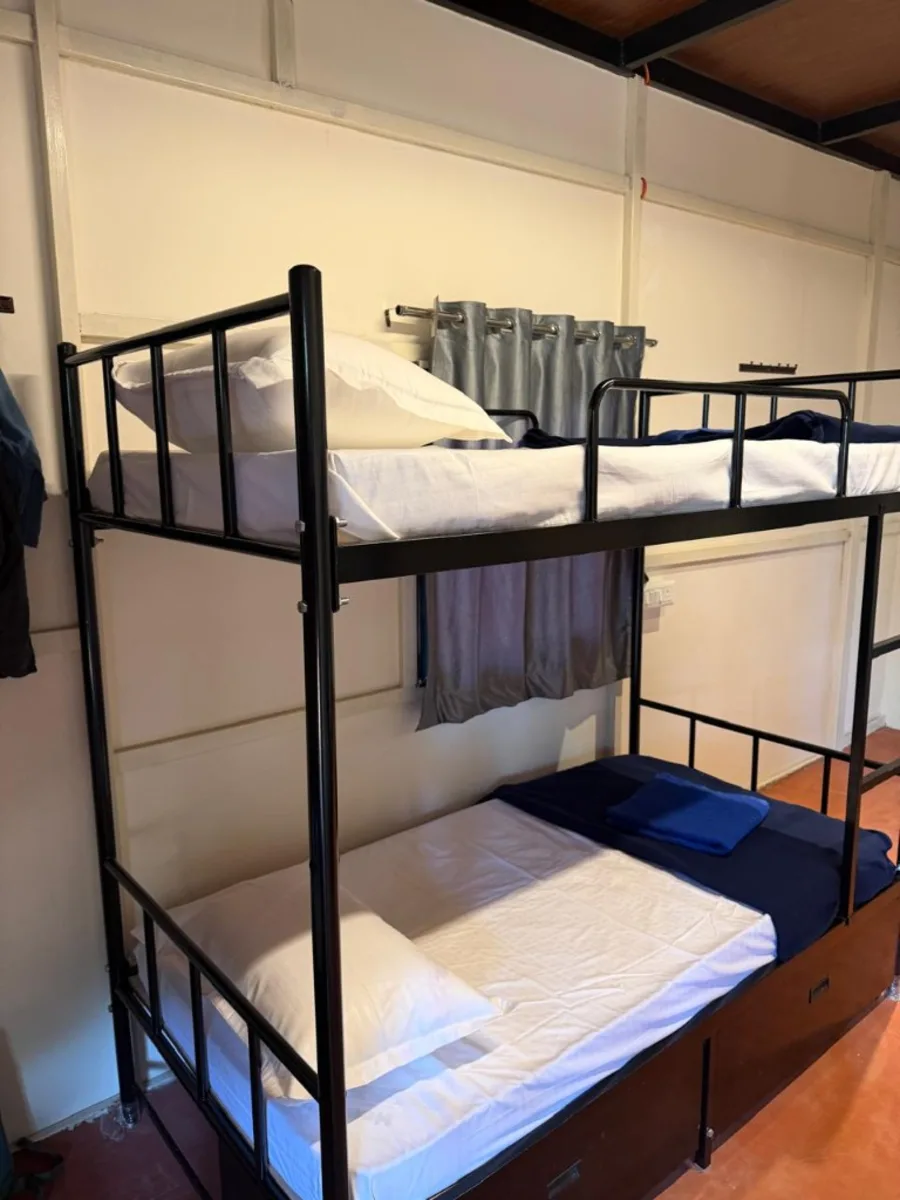
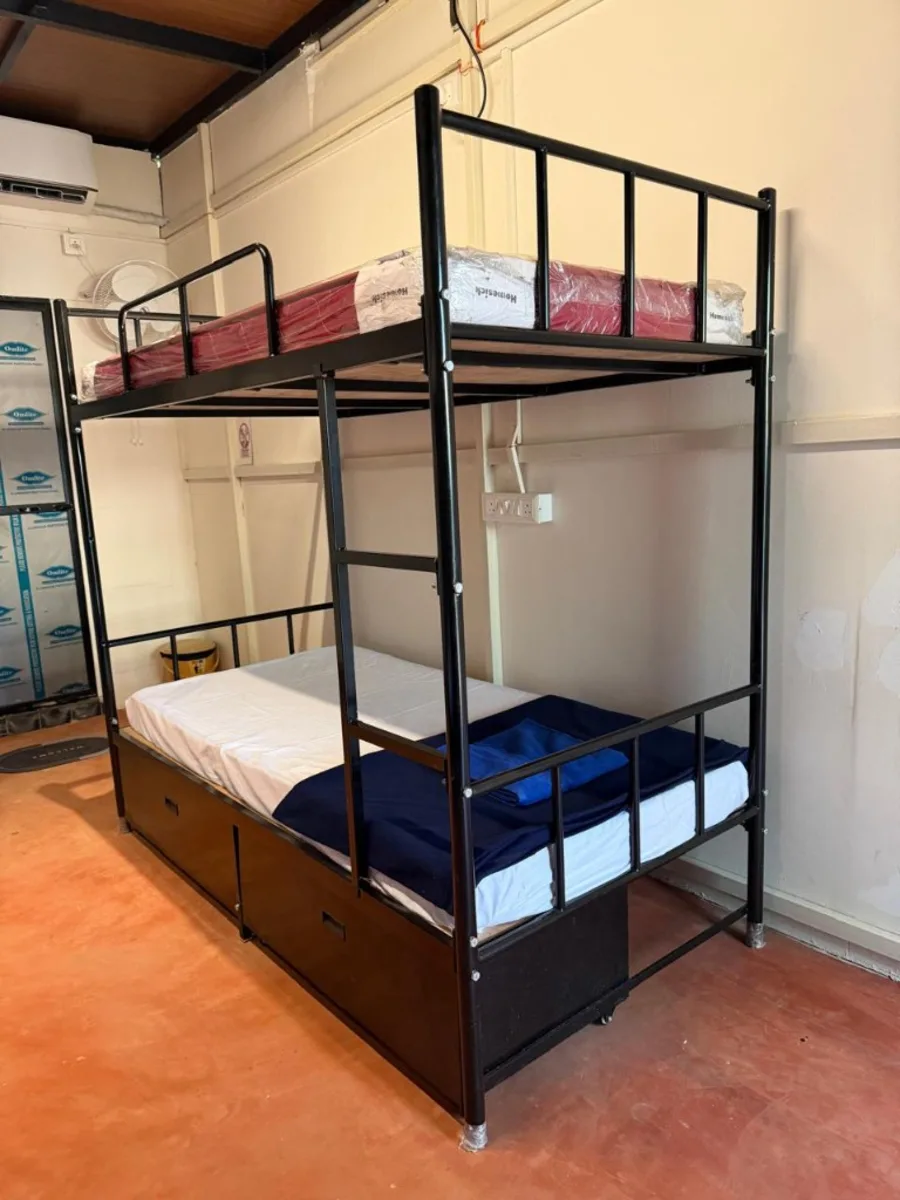
Dorm Room

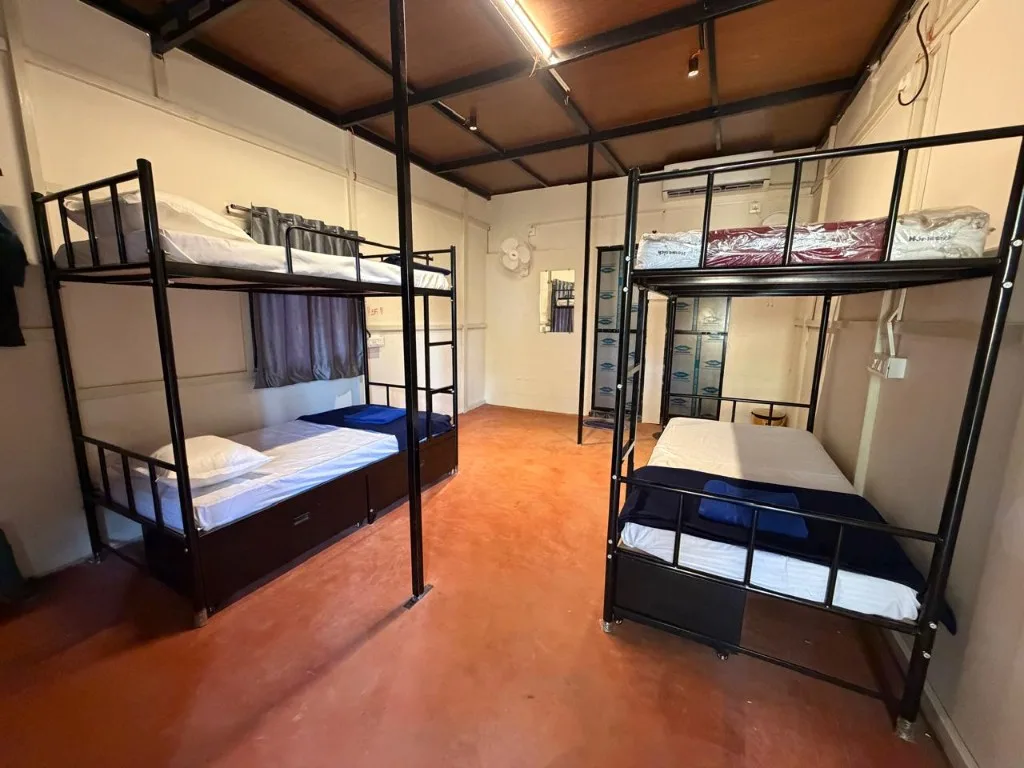
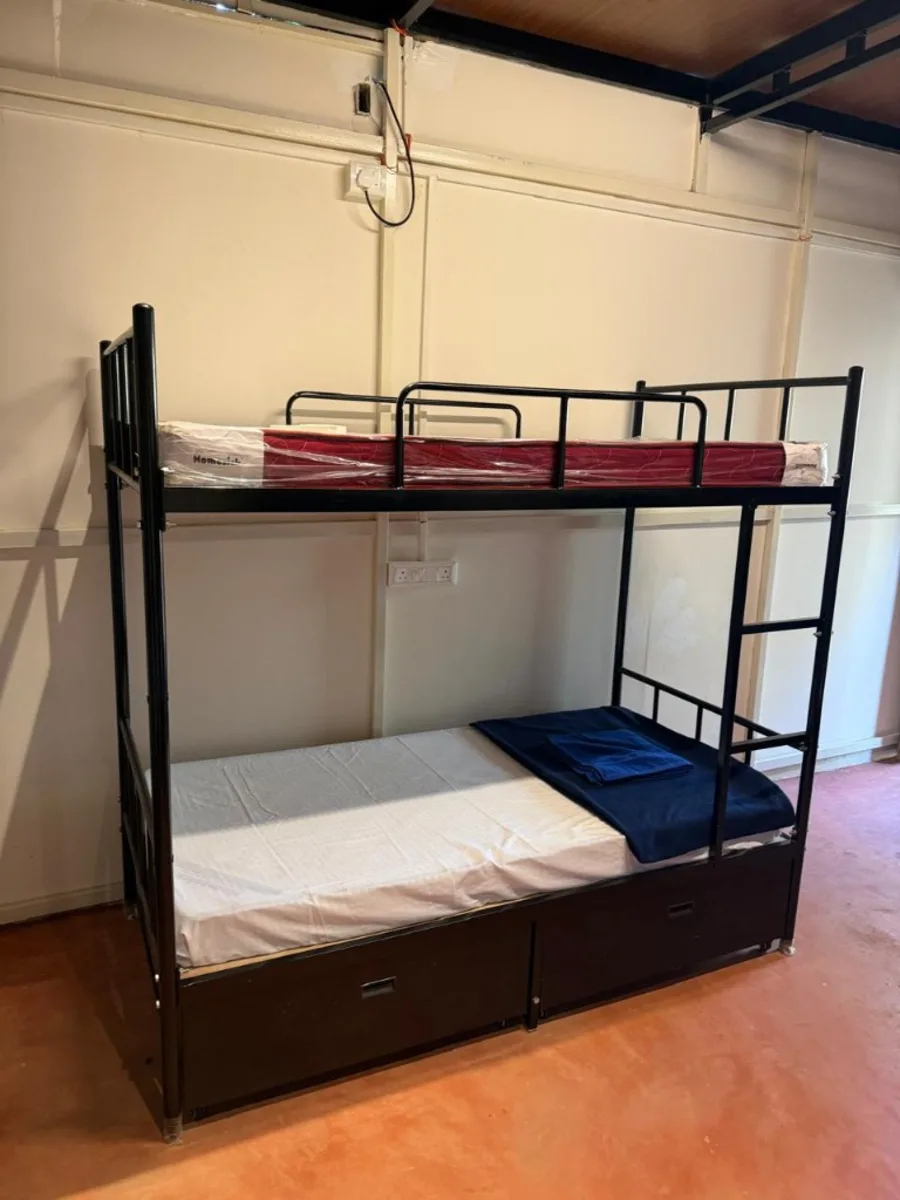
A simple, social option for students who want the full training experience at the lowest stay cost. Dorm beds are on campus, a short walk from the shala and dining.

  • Style: Shared dormitory — community atmosphere
  • Meals: Same three sattvik meals daily as all students
  • Location: Same premises as cottages and shala
  • Access: Full access to Pool, Garden & Shala

Quick Comparison & Amenities

Feature Wooden cottages Dorm
Structure Type Aesthetic wooden cottage (shared or private) Shared dormitory on campus
View Pool & garden views (cottage-dependent) Campus / garden proximity
Privacy Cottage veranda & dedicated space Shared sleeping area
Room Cleaning Daily Daily
Campus Access Full (Pool, Cafe, Shala) Full (Pool, Cafe, Shala)
Timings Check-in: 10:00 AM | Check-out: 12:00 PM
Nourish Your Soul

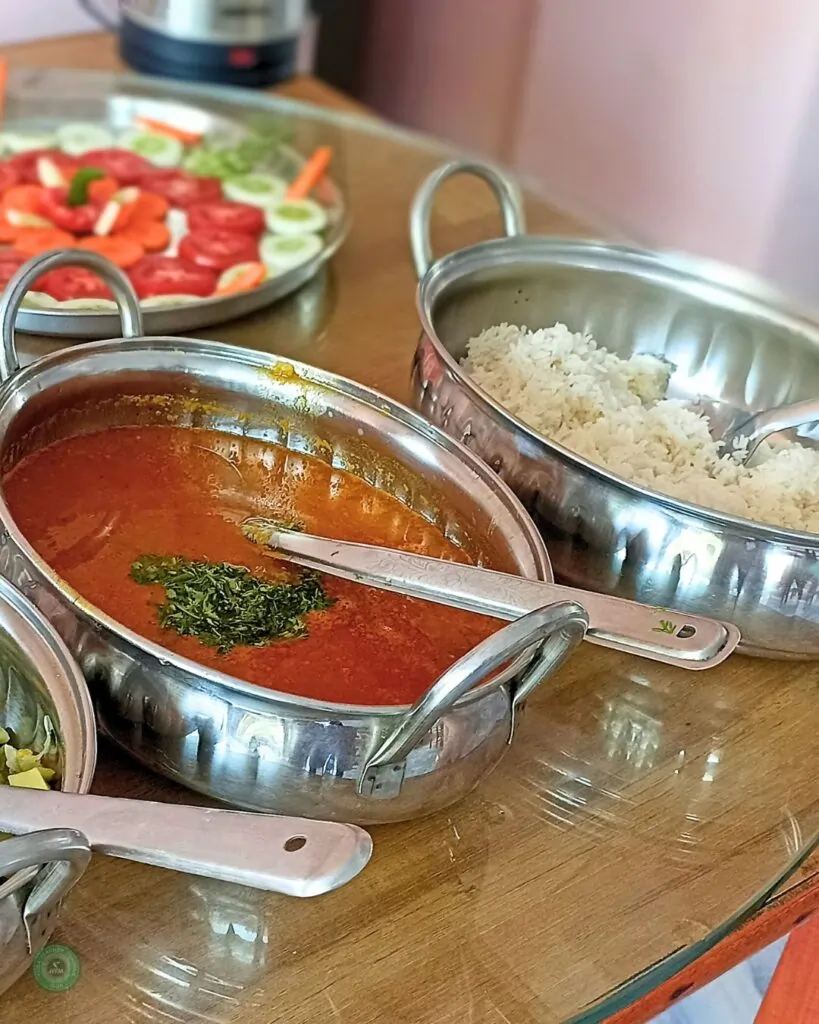
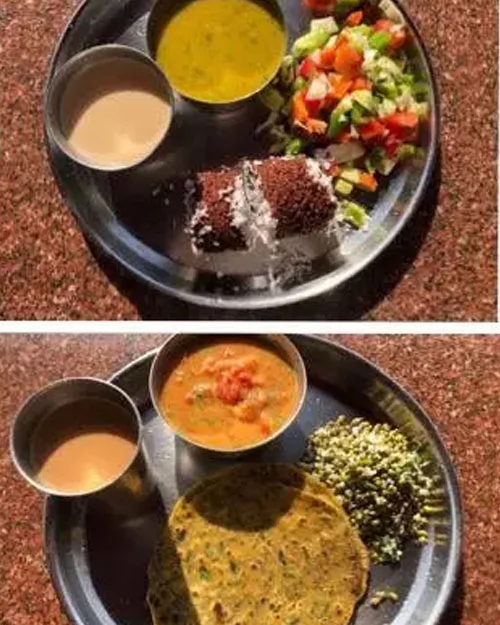
Satvik Dining Experience

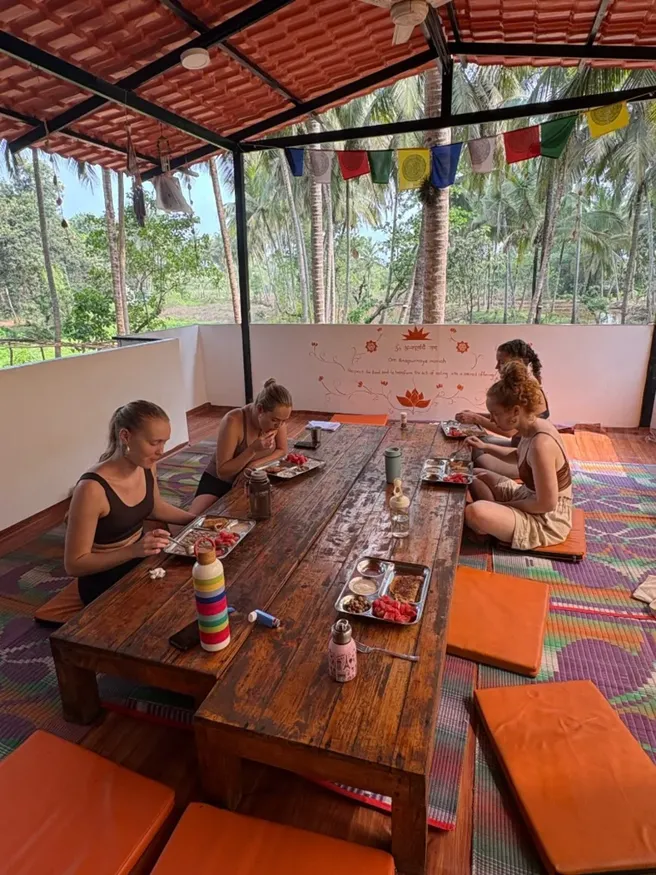
At DivinePath, we believe food is medicine. Our kitchen serves pure, organic, plant-based meals prepared with love and mindfulness. Free from additives, our Satvik menu is designed to support your intense yoga practice, enhancing mental clarity, digestion, and energy levels. From energizing breakfasts to wholesome dinners, every bite brings you closer to inner harmony.

Satvik meal at 300 hour yoga Goa advanced TTC campus

Traditional Thali

Healthy breakfast for advanced TTC Goa students

Wholesome Breakfast

Traditional satvik thali during 300 hour yoga Goa course

Nutrient-Rich Bowls

Accreditation
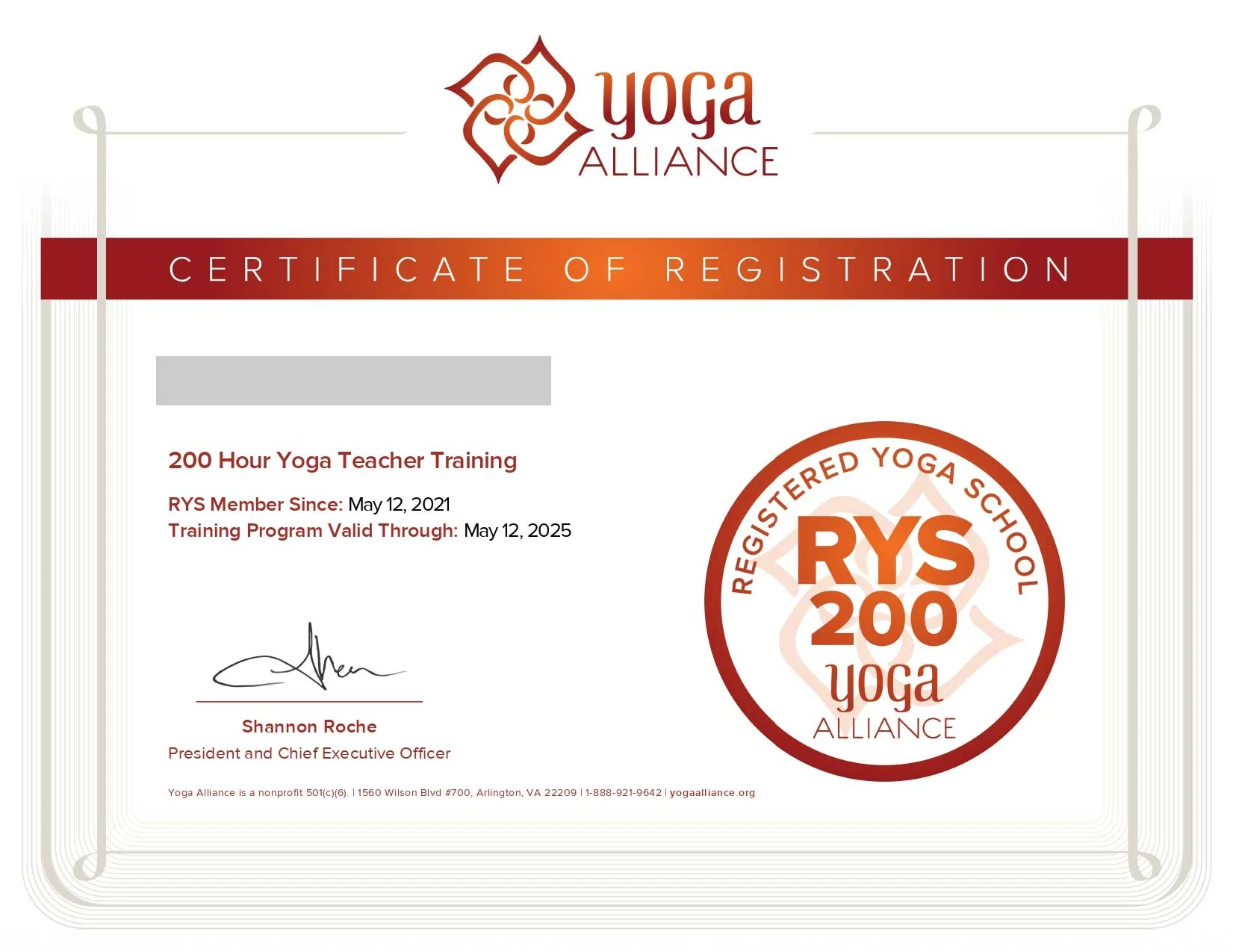
300 hours yoga teacher training in Goa Certificate

Yoga Alliance Certification – Globally Recognized Credentials

On graduation day, you leave with practical teaching skills and a globally recognized Yoga Alliance credential. This certification supports opportunities to teach in studios, retreats, and online formats, and helps you build a credible long-term yoga teaching career.

300 Hours Yoga TTC

Yoga Alliance Certification Benefits

India is the historical home of yoga and offers strong context for traditional study. Training in Goa combines that traditional foundation with modern teaching structure and an international student environment. A Yoga Alliance-aligned credential can support your professional profile when applying to studios and retreats.

Many participants describe this experience as deeply formative because the training builds discipline, awareness, and teaching clarity over a full 27-day immersion. Goa's calm environment supports consistent practice and focused study throughout the course.

300 Hours Yoga TTC

Who Is This Course For?

This training is designed for serious teachers poised for growth. If you are ready to deepen your practice with authenticity and fully embrace the yogic lifestyle, this yoga teacher training in Goa is your opportunity.

You don’t need to be the most flexible person in the room. What you need is an open mindset, a loving heart, and a sincere thirst to grow beyond the physical asanas.

Prerequisites

  • 200-Hour Certified:
    Must have completed a 200-hour TTC (any style).
  • Dedication:
    Willingness to follow a disciplined daily schedule.
  • Student Mindset:
    Ready to unlearn and relearn advanced concepts.
  • Physical Health:
    No major recent injuries or surgeries.
The Perfect Destination

Why Choose Goa for Your 300-Hour TTC?

Over 27 days, you won't just learn yoga; you will live it. We dive deep into multi-style traditions—Hatha, Ashtanga, and Vinyasa Flow—guided by some of the world's most experienced instructors.

Expect Metamorphosis

It isn't just copy-paste sequences. You will upgrade every aspect of your practice, moving from simple participation to true embodiment of yoga.

Deep Realizations

Experience profound shifts in Pranayama and Meditation. Learn to apply ancient philosophies to modern life for a grounded, peaceful mind.

Intensive Anatomy

Comprehend the inner workings of the human body. We bridge the gap between scientific biomechanics and yogic movement for safe teaching.

Sharpen Teaching Methods

Gain the confidence to lead. You will refine your voice, cues, and adjustment skills to become a globally certified, impactful teacher.

300 Hours Yoga TTC

Career Benefits After 300 Hour YTT

If you have completed a 200-hour training, this 300-hour program is the next professional step. You refine your teaching voice, upgrade your sequencing and adjustments, and build confidence for advanced classes. This is where your foundation becomes specialization.

After graduation, you can register as RYT-300 (or move toward RYT-500 when combined with 200-hour training), apply for advanced studio roles, lead focused workshops, support teacher trainings as an assistant trainer, and teach internationally across retreats and wellness spaces.

Compare Courses

200 Hour vs 300 Hour Yoga Teacher Training — What's the Difference?

Many students ask whether to choose the 200-hour or 300-hour course. Here is a clear comparison:

Factor200 Hour YTT300 Hour YTT
Duration21 days27 days
LevelBeginner to IntermediateIntermediate to Advanced
PrerequisiteNone — open to allMust have 200hr certificate
CertificationRYT 200RYT 300 (pathway to RYT 500)
Price FromUSD 500USD 980
FocusFoundation: postures, basics, philosophyAdvanced: alignment, therapeutics, mentorship
Teaching Practice1 guided classMultiple classes + mentoring 200hr students
AnatomyBasic systems overviewBiomechanics + therapeutic application
Program snapshot
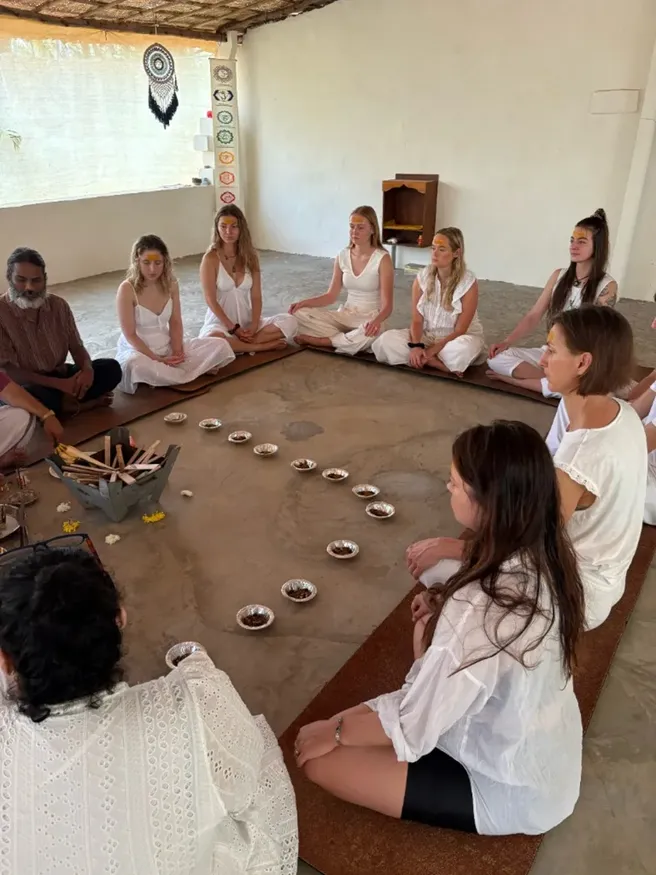
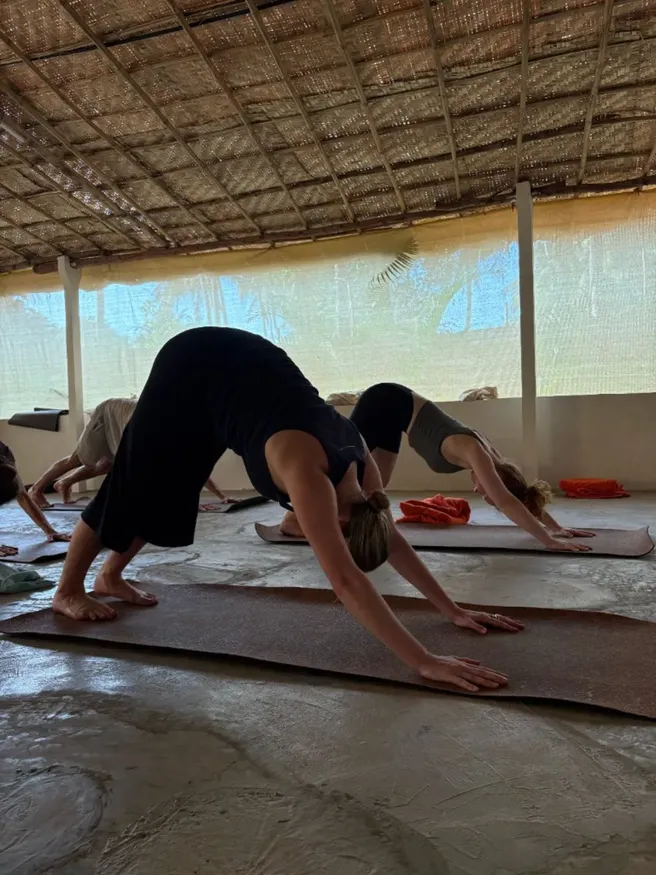
Group yoga training session

Goa 300-hour TTC — program snapshot

  • 27-day immersive advanced training
  • Yoga Alliance certification
  • Daily yoga classes of various styles
  • Advanced pranayama and meditation practices
  • Philosophy, anatomy, and teaching modules
  • Satvik vegetarian meals (3 times a day)
  • Accommodation (options for a shared or private stay)
  • Course materials (manual/manuals, props)
  • Weekend adventures around Goa
  • Supporting the international yoga community
300 Hours Yoga TTC

What You Will Learn

Wondering what you will actually study in this advanced course? Here is a clear overview of the 300 hour yoga teacher training curriculum in Goa:

  • Advanced Asana: Advanced understanding of alignment, transitions, and modifications for any students.
  • Pranayama and Meditation: Classical methods of breath control and meditation to keep you grounded and bring awakening to inner tranquility.
  • Yoga Philosophy: Yoga prescription from the Yoga Sutras and classical texts bent on deeper mentality versus simple application.
  • Teaching Methodology: Finding strength in your voice and structuring compelling classes that captivate group energy.
  • Anatomy & Physiology: Learn biomechanics that provide students with safety and ground your teaching in scientific detail.

Goa — Top Destination for Ashtanga

Goa is not just known for beautiful beaches - it is also a well-known destination in India for serious Ashtanga yoga training. The calm coastal setting, experienced teachers, and supportive yoga community make focused practice easier and more enjoyable.

Across Goa, students can find structured Ashtanga-focused teacher training in peaceful beach areas that support deep learning. The natural environment helps students stay consistent with practice while balancing study, rest, and self-reflection.

Goa also has an active yoga ecosystem with workshops, retreats, and drop-in classes. That gives trainees exposure to different teaching styles and helps build confidence before teaching internationally.

Advanced Ashtanga Practice

Ashtanga yoga training in Goa is ideal for students who want a disciplined and physically engaging practice. Its traditional sequence, breath synchronization, and clear progression help build strength, flexibility, endurance, and focus.

Many yoga schools in Goa combine Ashtanga training with philosophy, anatomy, and safe alignment. Students progressively learn transitions, breathwork, and teaching cues under experienced guidance, making the training useful for both personal growth and professional teaching.

Beyond physical gains, Ashtanga practice develops concentration and emotional steadiness. The rhythm of breath and movement creates a meditative flow, helping students cultivate mental clarity and long-term mind-body awareness.

300 Hours Yoga TTC

Reserve Your Seat

This training fills quickly because each batch is small and mentorship-focused. If you are ready to deepen your practice and teaching, this is a practical time to apply for our 300 hour YTT in Goa. Whether you search for a 300 hrs yoga teacher training Goa programme or an advanced 300 hour yoga TTC in Goa, this course is designed to prepare you for professional teaching roles.

  • Duration: 27 days
  • Location: Goa, India
  • Level: Intermediate to Advanced
  • Styles: Multi-style (Hatha, Ashtanga, Vinyasa)
  • Meals: Satvik vegetarian (3 daily)
  • Language: English
  • Certification: Yoga Alliance (RYT-300)

Designed for certified 200-hour teachers, this training supports serious professional growth. If you are ready to deepen your practice, improve your teaching quality, and live the yogic lifestyle with consistency, this yoga teachers training Goa is a strong next step. You do not need to be the most flexible person in the room - you need an open mindset, commitment, and a genuine willingness to grow.

300 Hours Yoga TTC

Benefits of 300 Hour Yoga Teacher Training in Goa

If you want to elevate your personal practice and teaching skill set, this 300 Hour Yoga Teacher Training Course in Goa is built for that transition. The curriculum deepens your understanding of philosophy, sequencing, anatomy, pranayama, and meditation, and helps you teach advanced classes with greater safety and clarity. Goa's calm environment supports focused learning, while the immersion format helps build mental strength, self-awareness, and leadership as a yoga teacher.

Continue Your Yoga Journey with Confidence

Yoga is more than a physical routine; it shapes how you live, teach, and relate to others. The 300 Hour Yoga Teacher Training in Goa at DivinePath is designed as a practical launchpad for your next stage as a teacher and mentor.

After completing a foundational 200-hour (RYT 200) programme, most students join our 300-hour course and continue on to the 500 hour teacher training in Goa to complete the full advanced pathway with stronger credibility and teaching depth.

Things to know before Join

Entry requirements (300-hour TTC)

Yes, a 200-hour certificate is required before joining this 300-hour course. This applies to both Indian and international students. If you need the 200-hour course first, see our 200 Hour Yoga Teacher Training in Goa.

A high degree of self-motivation is required for all aspects of the course. The practice and especially the teaching of yoga demand a high degree of self-discipline and purity. To ensure the success of the program, participants are required to attend all spiritual activities, meditation sessions, lectures and asana classes.

Meat, fish, eggs, alcohol, tobacco, drugs and nudity are prohibited during the course as they are counterproductive to the yoga practice. Participants who do not comply with the school rules may be dismissed from the course.

Rules for Students:

Smoking, alcohol, recreational drugs, and disruptive behavior are strictly prohibited on campus. If you are fasting on any day, please inform the kitchen team in advance to help us avoid food waste. Students are expected to respect teachers, attend classes on time, and follow the daily schedule and school guidelines throughout the training.

Before departure, please clear any pending dues and return any books, props, or materials borrowed from the school. Accommodation is reserved only for enrolled students. Friends or relatives are not included in student accommodation unless a separate room is available and pre-booked. Students are required to attend all scheduled classes and program activities.

Refund Policy

The booking deposit is non-refundable once your seat is confirmed.

If you cancel after joining the course, paid fees are non-refundable. In documented medical emergencies, students may request one-time batch rescheduling, subject to management approval and seat availability.

Customer Testimonials

What Our International Students Say

Decorative testimonial section shape
Book Now

Start Your Yoga Journey Today!

Our 300 hour yoga teacher training in India is designed to deepen both your practice and your teaching voice. Goa offers a supportive environment where traditional yogic learning meets modern, practical instruction. Through Hatha, Ashtanga Vinyasa, meditation, and applied teaching practice, you build the skills to guide students with clarity and compassion.

If you are ready for the next stage of your teaching path, this 300 hour yoga teacher training in Goa offers focused mentorship, experienced faculty, and a complete advanced curriculum. You train in a calm coastal setting while working toward Yoga Alliance-aligned certification standards.

Location

300 Hour TTC Goa Location

This location is dedicated to the 300 Hour Yoga Teacher Training in Goa. Use the map link below for direct navigation.

Querim, Pernem, Goa

Landmark Dhara Restaurant, House No. EHN No 1,, Dhaktebag, Querim–Arambol–Agarwada Rd, Pernem, Querim, Goa 403524

Open 300 Hour Goa Location
FAq’s

Frequently Asked Questions

FAQ section separator line

The 300 hour yoga teacher training or TTC is worth it for those who wish to pursue their practice further and refine their teaching skills. It goes beyond the basic 200-hour training and covers many complex asanas and advanced pranayama techniques along with the yoga philosophy and method of teaching. It educates you with in-depth knowledge and enhances the confidence you need to teach different styles of yoga. Furthermore, it qualifies you for potential opportunities beyond national borders for teaching and adds to your practice's overall growth.

FAQ section separator line

A 300-hour course gives deeper anatomy, clearer philosophy, and stronger teaching methodology for advanced classes. You also get practical specialization in Hatha and Ashtanga-based sequencing, which helps you teach with more confidence and precision. Completing a Yoga Alliance-compliant RYS 300 training can improve your professional credibility when applying to studios, retreats, and teaching roles.

FAQ section separator line

The key difference is depth. A 200-hour YTT is your foundation: core postures, yoga philosophy, and basic teaching methods. A 300-hour YTT builds on that base with more advanced asana work, refined alignment, and deeper anatomy. It is best suited for practitioners who already have fundamentals and want to elevate both teaching quality and personal practice.

FAQ section separator line

The decision is based on the earlier experience you have or what your goal is. If you're just about starting to teach, it is advisable to go for the 200-hour yoga teacher training, as it serves as an introduction towards becoming a certified yoga instructor. On the other hand, a 300 hour course is suitable for an already completed 200-hour training course to add essential skills or even learn other styles of yoga like Ashtanga Vinyasa teacher training.

FAQ section separator line

A Yoga Alliance-aligned credential is widely recognized by many studios and retreat centers. A 300-hour certificate from an RYS 300 school shows advanced training in methodology, practice, and teaching standards, which can support your applications in India and internationally.

FAQ section separator line

Yoga certification is not legally mandatory in every teaching context in India, but formal training significantly improves trust and employability. Completing a recognized Yoga Alliance pathway helps students and employers understand your training level and professional standards.

FAQ section separator line

TTC stands for Teacher Training Course, a structured program designed to teach the art and science of yoga instruction.

FAQ section separator line

RYS 300: Registered Yoga School 300 Hour, meaning that this yoga school is accredited by Yoga Alliance to offer advanced 300 hour teacher training courses.

FAQ section separator line

RYS is the abbreviation for Registered Yoga School, a certification given to institutions providing accredited yoga teacher training programs. RYT meanwhile stands for Registered Yoga Teacher, a title for any person who has undergone training from an RYS and registered with Yoga Alliance.

FAQ section separator line

Yes. Most international students join on a valid e-Tourist Visa or other eligible visa category. Visa rules can change by nationality, so we recommend checking the official Indian immigration website and your local embassy before booking flights.

FAQ section separator line

Yes. We can arrange airport pickup from Manohar International Airport (GOX) and guide you on expected travel time and cost. After enrollment, share your flight details in advance so the team can coordinate your arrival smoothly.

FAQ section separator line

To confirm your seat, pay a 25% booking deposit. The remaining balance is payable at the school on arrival. For the latest transfer/payment instructions, contact our admissions team directly before making the payment.

Reviewed & Fact-Checked By

Yogi Saransh Ji

Lead Yoga Trainer & Retreat Coordinator, DivinePath Yoga School & Retreat — Goa Campus

Yoga Alliance E-RYT 500 · Yoga Psychology, Philosophy & Hatha Yoga


View Profile
Chat with us on WhatsApp