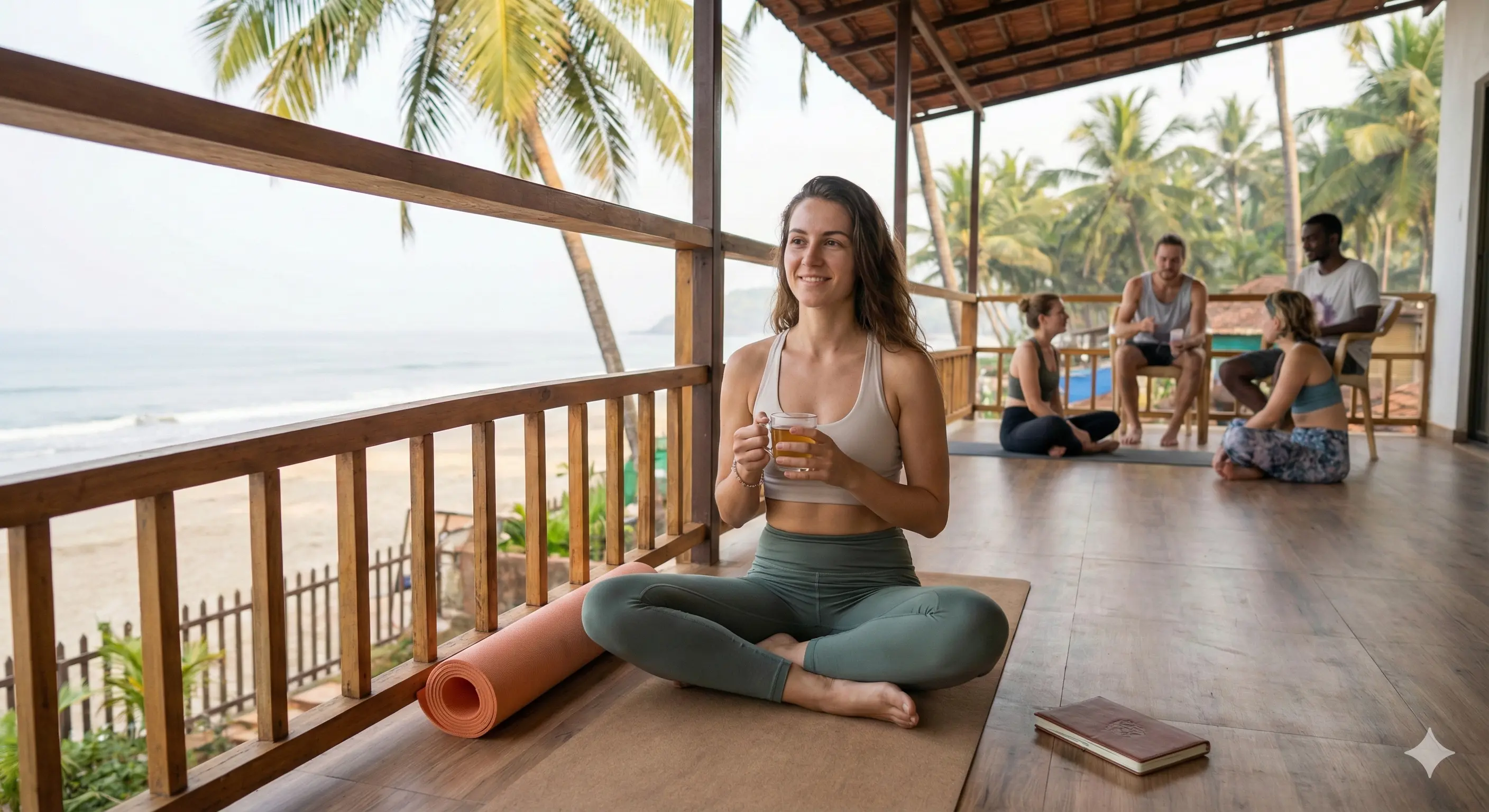





Bali is generally very safe for solo women. The biggest risks are scooter accidents and petty theft (phone snatching), not violent crime. Use apps like Grab/Gojek instead of renting scooters, don't walk with your phone out, and join yoga communities in Ubud or Canggu to avoid loneliness.
The first question many women ask when they're considering yoga teacher training in Bali is always the same: "Is it safe for me to come alone?"
I've been teaching in Bali for six years. In that time, I've watched hundreds of solo women arrive nervous and leave wishing they could stay longer. I've also seen a handful run into problems that could have been avoided with better information.
This isn't going to be one of those "Bali is totally safe, just go!" articles. And it's not going to be fear-mongering either. Both approaches do you a disservice.
The truth is more nuanced. Bali is generally very safe for solo female travelers, and most women have wonderful experiences here. But certain risks exist, and knowing about them beforehand changes everything.
I'm writing this the way I'd talk to a friend who was considering coming here alone. Honest about the challenges, realistic about the risks, and clear about what actually matters for your safety versus what's just noise.
By the end, you'll know which concerns are legitimate, which safety advice actually works, and how to navigate Bali confidently on your own terms.
Yes, with caveats.
I walk alone regularly - to the market at 6 AM, home from dinner at 10 PM, through rice fields to reach my favorite cafe. I've never felt genuinely unsafe in six years here.
Most of my female students report the same experience. They're surprised by how comfortable they feel moving around Bali alone.
But comfortable isn't the same as risk-free.
Yes, Bali is generally safe for solo female travelers, especially in yoga-focused areas like Ubud, Sanur, and Canggu. The violent crime rate is low, and most safety concerns involve petty theft and traffic accidents rather than personal safety threats. Basic precautions around transport, nightlife, and valuables make Bali very manageable for women traveling alone.
Indonesia has one of the lowest violent crime rates globally. Murders, assaults, attacks on tourists - these barely happen. I'm not saying never, but the numbers are genuinely low.
The crime that does exist is almost entirely petty theft and scams. Phone snatching, pickpocketing, tourist traps, transport scams. Annoying and sometimes costly, but not dangerous.
Here's what I've observed teaching women for years:
I've had students arrive from cities where they wouldn't walk alone after dark ever. They feel safer in Ubud at midnight than they do in their hometown at 8 PM.
I've also had students from very safe countries who found Bali's chaos stressful. The traffic, the touts, the constant negotiating - it wore them down even though they were physically safe.
Safety is partly objective and partly about what you're used to.
Let me be specific about what actually happens to women here, based on what I've seen and what students have told me.
This is the most common crime affecting solo women in Bali. Someone on a scooter grabs your phone while you're walking or riding.
It happened to one of our students last year. She was walking to class, phone in hand checking directions. Scooter came up from behind, grabbed it, gone.
The pattern: tourist areas at dusk or after dark, phone held loosely or dangling in hand, walking near the road.
It's opportunistic, not targeted. They're looking for easy grabs, not hunting specific people.
Drink spiking happens. Not constantly, not everywhere, but enough that you need to be aware.
I know three women personally who've had drinks tampered with in Bali. All three were at beach clubs or nightlife spots in Seminyak or Canggu. All three had left drinks unattended.
This isn't about locals versus tourists either. Most harassment and dodgy behavior comes from other travelers, not Balinese people.
Random attacks walking around during the day? Haven't seen it or heard of it happening to anyone I know.
Harassment on the street? Occasionally someone will try to sell you something persistently, but aggressive catcalling or following? Rare.
Assault by locals? The Balinese culture is deeply rooted in karma and community. The genuine fear of karmic consequences shapes behavior here in ways you don't see in many places.
Based on conversations with hundreds of students, the things that actually make women uncomfortable aren't usually safety threats. They're:
These aren't dangers, but they affect your experience significantly.
This is where I need to be really direct because this is where people actually get hurt.
Scooter accidents are the number one reason tourists end up in Balinese hospitals. Not crime, not illness - traffic accidents.
I get it. Scooters give you freedom. You can explore anywhere, leave when you want, stop where you want. They're cheap - maybe $5 a day. Everyone else is riding one.
Many women arrive thinking "I'll figure it out, how hard can it be?"
Bali traffic operates on completely different rules than Western roads. Or rather, it operates on no rules.
People drive on the left, but barely. Lanes don't really exist. Scooters, cars, trucks, dogs, and pedestrians all share the same space. Roads flood when it rains. Surfaces are uneven.
Even experienced riders find it challenging initially. If you've never ridden before, this is absolutely not the place to learn.
Last year, a student crashed her scooter in Canggu. She'd rented it two days earlier, never ridden before. Hit gravel making a turn, went down, broke her wrist and got significant road rash.
Her insurance didn't cover the accident because she didn't have an international motorcycle license. She paid out of pocket for medical care and the damaged scooter. Total cost: over $3,000.
She's not alone. I hear a version of this story multiple times every year.
If you're an experienced rider with proper licensing and good insurance: scooters can work, though you'll still need to adjust to Bali's traffic patterns.
If you've ridden a bit but aren't confident: don't risk it. The money you save isn't worth the potential cost.
If you've never ridden: absolutely do not rent a scooter in Bali. I don't care how many Instagram posts you've seen of people riding through rice terraces.
Should solo female travelers rent scooters in Bali? No, not unless you already have motorcycle riding experience and proper international licensing. Scooter accidents are the leading cause of tourist hospitalizations in Bali. Solo women without riding experience should use Grab/Gojek apps or private drivers instead, which are affordable, safe, and eliminate the biggest physical risk in Bali.
For our complete guide on getting around Bali safely, visit our yoga in Bali resource.
If scooters are out, what actually works?
These are Southeast Asia's version of Uber. Download both before you arrive.
They work for both car and scooter rides. Prices are fixed in the app, no negotiating. You can track your route. Payment is usually through the app, though drivers sometimes prefer cash.
Cost for a typical trip around Ubud: $2-4. Longer trips to the beach: $8-15.
The apps aren't perfect. During rain or peak times, prices surge. Some drivers cancel if your pickup location is inconvenient. But overall, they're the most reliable transport option.
For full-day trips or regular transport, hiring a private driver makes sense.
Many women doing yoga retreats in Bali arrange a regular driver through their accommodation or training center. You build a relationship, they know where you need to go, and you don't deal with surge pricing or cancellations.
Cost: $40-60 for a full day, including waiting time. For regular short trips, negotiate a weekly or monthly rate.
Some companies offer female drivers specifically, which some women prefer for comfort.
The only taxi company I recommend. Light blue cars with a bird logo and working meters.
Beware of fake Bluebirds - similar colors but different logos. Real Bluebirds always use the meter. If a driver says the meter is broken, get out.
Possible in some areas, challenging in others.
Ubud center is walkable, but sidewalks are narrow and inconsistent. Canggu has almost no sidewalks - you're walking on the road shoulder with scooters whizzing past.
For short distances during the day in town centers: fine. For longer distances or after dark: use transport.
Not all parts of Bali have the same energy for solo women.
This is where I send women who are nervous about traveling alone.
Ubud attracts yoga practitioners, wellness seekers, and spiritual travelers. The vibe is mellow and community-oriented. You'll meet other solo women within hours of arriving.
The town is compact enough to navigate on foot during the day. Accommodations range from $15 homestays to luxury resorts. Yoga studios everywhere provide natural social connection points.
Evening walking feels safe in the main areas. I walk home from dinner regularly without concern.
The downsides: can feel touristy and crowded, especially in peak season. Touts at temples and markets can be persistent.
Canggu has become the digital nomad capital of Bali. Lots of young travelers, coworking spaces, beach clubs, and social activities.
Great if you want to meet people easily. Not ideal if you prefer quiet and introspection.
The area is more spread out than Ubud, so transport becomes necessary. Traffic is heavier. The party scene means more drunk people around at night.
I know women who love Canggu's energy. Others find it exhausting and "Instagram-focused."
For solo women doing 5-day yoga retreats, Canggu can feel overstimulating. But for longer stays where you want a social life, it works well.
Sanur attracts fewer young travelers and more families and retirees. It's calmer, cleaner, less chaotic.
The beach is gentle and walkable. The area feels residential rather than touristy. Good restaurants and cafes without the crowds.
Some women love this. Others find it too quiet, especially if they're looking to meet people their age.
Kuta and Legian feel aggressive to me. Lots of drunk tourists, aggressive touts, and party energy that doesn't feel welcoming for women alone.
Parts of Seminyak are fine, but the nightlife areas get rowdy. Not dangerous exactly, but not comfortable either.
The Gili Islands (technically not Bali but nearby) have a reputation for more aggressive male attention than Bali itself. Some women love them, others have uncomfortable experiences.
Bali has tourist scams. Not everywhere, not constantly, but enough that awareness helps.
Classic scam: you hand over $100, they count out your rupiah, then recount it using sleight of hand to pocket some bills.
It happens fast. You're not stupid for falling for it - they're practiced.
Solution: use official money changers only (usually inside shopping centers or banks), count carefully yourself, and never let them recount after you've verified.
Or just use ATMs at banks. The exchange rate is slightly worse but you avoid the whole dance.
Driver says the meter is broken, wants to negotiate a flat rate that's 3x what it should be.
This is why Grab and Gojek exist. Fixed prices, no negotiation, tracked route.
If you do take a taxi, only use Bluebird and insist on the meter before the car moves.
You hire a driver for the day. Suddenly every destination includes a stop at their "cousin's" silver shop, coffee plantation, or art gallery where everything is overpriced.
The driver gets a commission on anything you buy, which is why they're pushing these stops.
Be clear upfront: no shopping stops unless you explicitly ask. Many drivers are fine with this once you set the boundary.
You rent a scooter. When you return it, the owner finds "damage" that wasn't there and charges you hundreds of dollars.
Solution: photograph the scooter from all angles before leaving the shop. Note any existing scratches or damage in writing. Use reputable rental companies with reviews, not random guys on the street.
Someone approaches with a petition or donation request for orphans, disabled children, temples. It's fake - they pocket the money.
Real temples don't use aggressive street solicitors. Real charities don't pressure tourists.
Polite "no thank you" and keep walking.
Mixed. Some scams target tourists and are run by people living in tourist areas (not always Balinese, sometimes other Indonesians or foreigners).
But many Balinese people are genuinely helpful and honest. The culture values karma and community, and most interactions are straightforward.
The issue is you can't always tell the difference, which creates an unfortunate dynamic where you're guard-up with everyone.
I've found that the further you get from main tourist areas, the more genuine interactions become.
Can you go out at night alone in Bali? Sometimes, with caveats.
Depends entirely on where you are.
Main streets in Ubud center at 9 PM: feels fine. I do this regularly.
Dark side streets anywhere: no. Not because assault is likely, but because roads are uneven, lighting is poor, and scooters come out of nowhere.
Walking home from a beach club in Canggu at 1 AM: I wouldn't, and I don't know women who do regularly.
Possible, but requires more caution than in some countries.
Never leave your drink unattended. If you need to use the bathroom, finish your drink first or order a new one when you return.
Watch your glass being poured if possible.
Stick to busier, more established venues rather than random beach shacks.
Have transportation sorted before you drink. Know exactly how you're getting home.
In my experience, harassment from Balinese men is less common than from male tourists.
The local culture has strong community oversight - bad behavior gets back to your family, your village, your temple community. This creates natural restraint.
That said, some younger Balinese guys specifically target female tourists, often with romantic intentions but sometimes just for money or entertainment.
If someone seems overly interested and mentions being a "beach guide" or offering "local experiences," be skeptical.
Honestly, more problems come from drunk male tourists than from locals.
Beach clubs attract partying travelers who lose their filters. I've heard multiple stories of aggressive behavior from male tourists toward solo women.
Trust your gut. If someone's energy feels off, you don't owe them politeness. Leave.
One fear women have about solo travel is loneliness. Will you spend weeks eating alone and talking to no one?
In Bali, probably not.
This is the easiest natural connection point.
Drop into a class at any studio - The Yoga Barn, Radiantly Alive, Samadi Bali, Serenity Eco Guesthouse. Strike up a conversation after class. You'll meet other solo women immediately.
Many studios have community dinners, workshops, and events designed to bring people together.
If you're here for 200-hour yoga teacher training, you'll bond deeply with your training group. These friendships often last beyond Bali.
Digital nomads work from cafes constantly in Ubud and Canggu. It's normal to chat with the person at the next table.
Communal tables make this easier. Many cafes deliberately design spaces for connection.
Even if you book a private room, staying in a social hostel gives you community access.
Many hostels host events - group dinners, movie nights, day trips. Easy way to meet people without actively trying.
Facebook groups like "Girls Love Travel - Bali" connect solo female travelers for meetups and shared activities.
Some yoga studios run women's circles and moon ceremonies.
You can be as social or as solitary as you want in Bali. The infrastructure for meeting people exists if you engage with it.
But you do have to make some effort. Bali won't force community on you - you need to show up to classes, say yes to coffee, start conversations.
For introverts, this can feel exhausting even when it's working well.
Many women come to Bali specifically for yoga. Does this change safety considerations?
Yoga retreats create a somewhat protected environment.
You're with a group, accommodations are usually handled, transport to and from sessions is arranged, and there's built-in community.
This makes logistics easier and provides social connection, which addresses two major solo travel concerns at once.
Look for established centers with good reviews specifically from solo female travelers.
Check their transport arrangements - do they provide airport pickup? How do you get to and from sessions?
Read reviews carefully for mentions of safety, support for solo participants, and how the center handles any issues.
Month-long trainings create deep bonds. You're with the same group every day, sharing intense experiences.
Many women tell me their training group became like family. They looked out for each other, explored together, and provided emotional support through challenging moments.
The structure of training also means less time navigating Bali alone. Your days are scheduled, group activities are built in.
Some retreats offer shared rooms with other participants. This saves money and provides instant companionship.
Others provide private rooms while maintaining communal spaces and group meals.
Choose based on your need for alone time versus desire for constant company.
For longer 7-day retreats or month-long trainings, having some private space becomes more important.
Beyond the big topics, here are the small habits that keep women safe in Bali.
Never hold your phone loosely while walking or riding. Either put it away or grip it firmly.
Use a cross-body bag with zippers. Keep it in front of you in crowded places.
Don't wear expensive jewelry or flash cash. This isn't about victim-blaming - it's about not creating opportunity for theft.
Tell someone where you're going and when you expect to be back. Even just a text to a friend at home.
If you're going somewhere remote or trying a new activity, let your accommodation know.
Drop a pin of your location to a trusted person before getting in transport to an unfamiliar area.
If a situation feels wrong, leave. If a person's energy is off, extract yourself.
Women often override their instincts to be polite. Don't.
You can be polite AND protective of yourself. "Thanks, but I'm meeting someone" works for deflecting unwanted attention.
Drink bottled water only. This prevents Bali belly more than elaborate food precautions.
Wear sunscreen. Sun poisoning is miserable and preventable.
Use mosquito repellent, especially at dawn and dusk. Dengue fever is worse than any scam.
Stay hydrated. The heat is sneakier than you expect. Dehydration makes everything harder.
Save these numbers before you need them:
Have them accessible offline in case you lose data connection.
Get it. Make sure it covers:
Make sure scooter accidents are covered ONLY if you have proper licensing. If not, avoid scooters entirely.
In tourist areas like Ubud, Canggu, Seminyak - normal resort wear is fine. Temples require covered shoulders and knees. In traditional villages, modest dress shows respect.
Occasionally you'll get attention from men trying to sell tours or from young guys showing interest. But aggressive harassment is uncommon. The bigger annoyance is vendors and touts.
I usually carry 200,000-500,000 rupiah ($13-33 USD) for daily expenses. Enough for meals and transport, not so much that losing it would be devastating. Use ATMs at banks to withdraw more as needed.
Some women lie and say they're meeting a friend or partner. I think this is personal choice. I'm honest about traveling solo but vague about exact plans and where I'm staying. "I'm meeting people from my yoga class" is true without being specific.
Technically yes, but meet in public places during daytime for first meetings. Tell someone where you're going. Be aware that some men specifically target female tourists for various reasons.
Bali has good medical facilities in tourist areas. BIMC Hospital in Kuta and Sanur treats tourists regularly. Your insurance should cover medical care. Keep your policy details accessible.
Yes, obviously. Bring supplies from home - tampons specifically are hard to find and expensive in Bali. Bali belly sometimes coincides with periods making things extra miserable. Have backup supplies for both.
Yes, many solo female yoga teachers live in Bali for months or years safely. Long-term residents develop local relationships, learn to navigate scams and traffic, and build community through teaching and studio connections. The longer you stay, the more familiar everything becomes.
Yes, generally. Yoga retreats provide structured safety that independent travel doesn't. Retreats typically include airport pickup, arranged accommodation, group transport, and built-in community.
After six years of teaching women in Bali, here's what I actually believe:
Bali is safer than many cities solo women live in regularly. The violent crime rate is genuinely low. Most Balinese people are kind and helpful. The infrastructure for solo travelers exists and works well.
But "safe" doesn't mean without challenges.
You'll navigate scams, negotiate constantly, adapt to chaotic traffic, and deal with being seen primarily as a tourist in many interactions. These things are annoying and sometimes frustrating, but they're not usually dangerous.
Yes, for most women. Bali offers strong community connections through yoga studios, manageable safety risks with basic awareness, and excellent infrastructure for solo travelers. The experience varies based on personality and tolerance for chaos, but thousands of women visit solo annually and report positive, empowering experiences, especially those coming for yoga training or retreats.
The real risks - scooter accidents, drink spiking, theft - are manageable with awareness and basic precautions.
The experience of being here solo as a woman varies hugely based on your personality, your tolerance for chaos, where you stay, and how you engage with the place.
Some women arrive nervous and leave feeling empowered by what they navigated alone. Others arrive confident and leave feeling exhausted by the constant vigilance required.
Both experiences are valid.
What I tell students considering coming alone: Come if the draw is strong enough to outweigh the challenges. Come if you're willing to be flexible and trust yourself. Come if you can accept that it won't be perfect but will likely be worthwhile.
Don't come if you need everything to run smoothly. Don't come if you can't handle negotiation and occasional frustration. Don't come if you're hoping Bali will fix something that needs fixing in yourself - it won't, though it might help you see it differently.
The island meets you where you are. It's safe enough that your vigilance makes a real difference. It's structured enough that you won't be completely lost. It's unpredictable enough that you'll have to adapt.
And if you engage with it honestly, stay aware without being paranoid, and give yourself permission to both love and be frustrated by the experience - you'll probably have a powerful time here, solo or not.
Trust yourself to navigate it. You likely can.
Ready to explore Bali's yoga community? Whether you're coming for a 3-day retreat or considering longer training, you'll find a supportive environment for solo women throughout the island.